70% Adoption vs Developing Market: EV Reality Check
The road to electrification in Oslo looks nothing like the road in Dallas, yet both are paved with the same shifting consumer expectations.
The gap between Norway’s saturated electric vehicle market and the United States' developing landscape represents two distinct chapters of the same industrial revolution.
While one nation has effectively transitioned to a post-combustion society, the other is navigating a complex web of geography, infrastructure, and segment-specific preferences.
Key Takeaways * Norway’s high adoption is the result of decades of aggressive, integrated policy that made EVs the default choice for the mass market.
* The US market is characterized by regional fragmentation, where adoption rates vary wildly based on state-level infrastructure and vehicle segment needs. * Policy mechanisms, particularly tax exemptions and purchase incentives, remain the primary drivers of adoption speed in both territories.
* Norway is moving toward a phase of scaling down interventions as EVs become the norm, while the US is in the midst of a massive infrastructure buildout to support growth.
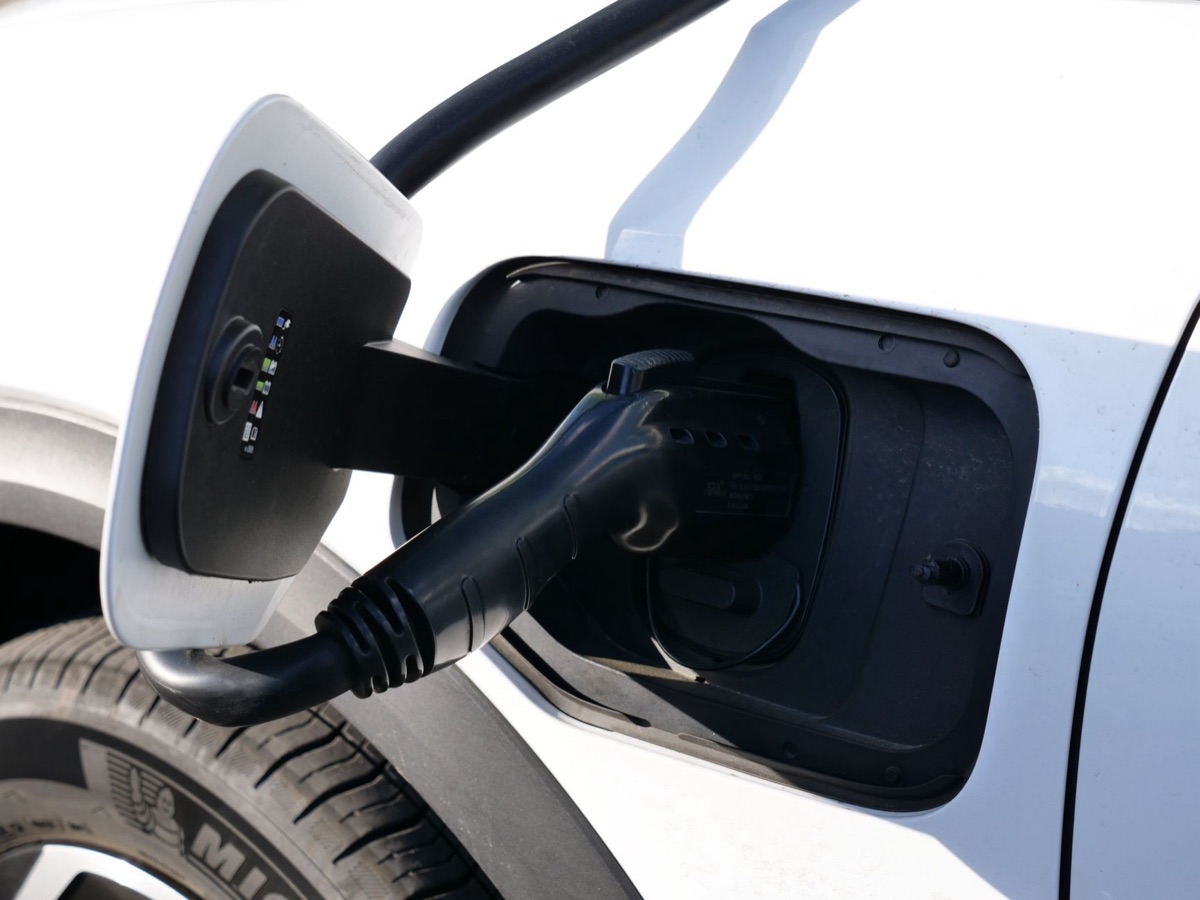
How has Norway achieved its high EV adoption rate?
A commuter in Bergen pulls out of a driveway in a silent, electric SUV, bypassing the heavy taxes and congestion fees that apply to every other vehicle on the road. The morning air is crisp, and the only sound is the faint hum of tires on pavement.
This seamless integration of electric mobility into daily life is not an accident of geography, but a calculated result of government strategy.
The Norwegian government utilized aggressive policy tailwinds to ensure that electric vehicles were not just a luxury, but the most rational economic choice for the average citizen.
By offering significant tax exemptions and toll waivers, they effectively leveled the playing field between internal combustion engines and battery electric vehicles. This led to a market saturation point where EVs became the dominant segment, rather than a niche alternative.
The infrastructure readiness in Norway preceded the mass vehicle sales, ensuring that as the fleet grew, the charging network was already maturing to support it.
When I first looked at the registration numbers in Oslo, the sheer density of plugs in every parking garage was staggering. It wasn't just about being green; it was about the fact that an EV was often the cheapest way to move from point A to point B.
This early investment allowed the adoption profile to shift toward a broad demographic, rather than being limited to tech enthusiasts in urban centers.
But as the market matures, the government faces a new set of challenges.
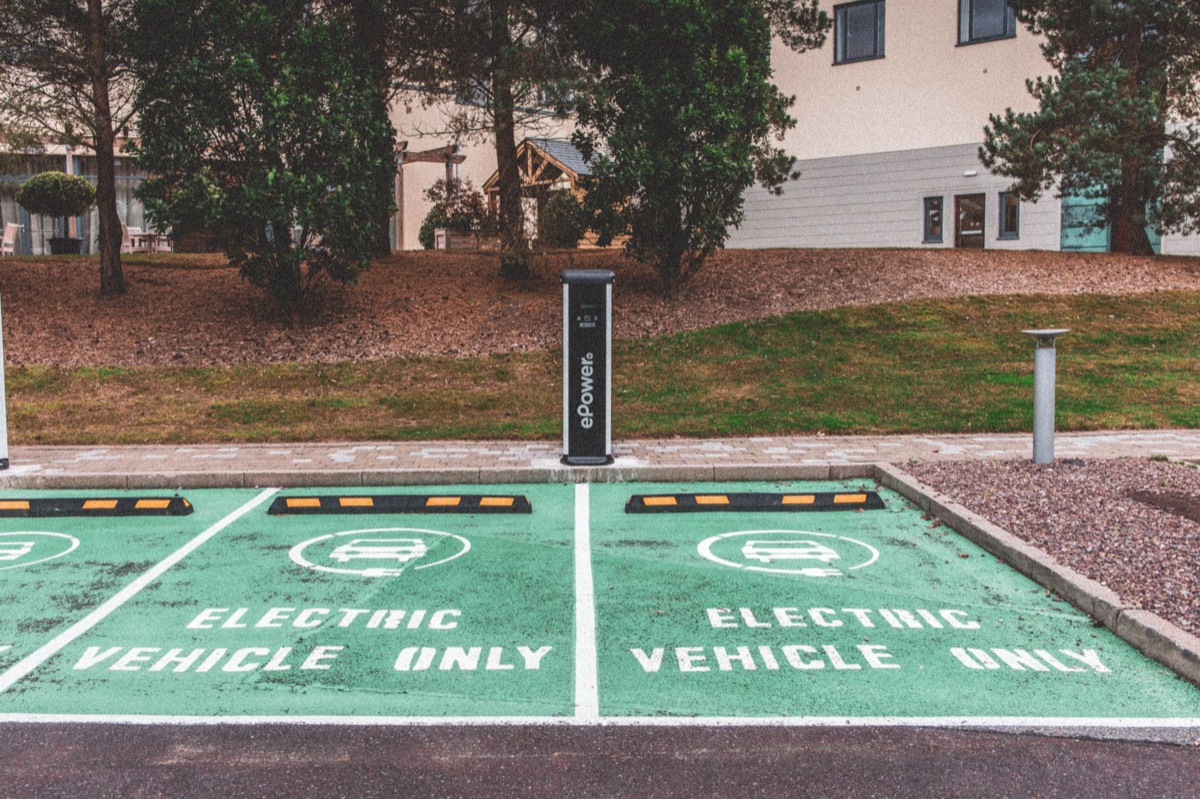
What does the current US EV market look like? A driver in rural Wyoming stares at a digital range indicator on a dashboard, calculating whether the next charging station is reachable before the battery hits critical levels. In another part of the country, a commuter in San Francisco finds charging as easy as checking their email.
This geographic variation defines the current state of the US market. The US adoption curve is heavily influenced by regional differences, creating a fragmented landscape where coastal states show high penetration while much of the interior remains dependent on traditional fuels.
The segment focus also differs; while pure battery electric vehicles (BEV) are gaining ground, there is a significant and growing interest in plug-in hybrid electric vehicles (PHEV) as a bridge technology.
The primary bottleneck in the US remains the density and reliability of the charging network, particularly in transit corridors between major metropolitan hubs.
While the market is being pushed by new federal tax credits and increasing manufacturer variety, the infrastructure must catchs up to the vehicle availability to reach the levels seen in Northern Europe. In the US, the struggle is often about the physical distance between chargers.
However, the difference in how these markets are managed goes deeper than just distance.
Are policy or incentives driving EV adoption more? A tax auditor in Oslo looks at a registration form where the electric vehicle incentive is automatically applied, while a buyer in Washington, D.C., navigates a complex web of federal credits and state-level rebates. In one city, the transition is invisible; in the other, it is a paperwork marathon.
The policy spectrum in these two nations represents the difference between a prescriptive approach and a permissive one. In Norway, the policy was designed to make the transition unavoidable through heavy taxation on fossil-fuel cars, effectively pushing consumers toward electrification.
In the US, the approach is often more about providing carrots—incentives and credits—than sticks.
The role of specific vehicle types also matters in how market share is distributed. In certain global markets, the growth of plug-in hybrids has provided a vital stepping stone for consumers not yet ready to go fully electric.
According to the International Energy Agency, plug-in hybrid sales in China grew faster than battery electric vehicles through early 2024, and all plug-in electric vehicles reached over 40% retail share in March.
This trend of hybrid growth as a gateway to full electrification is a lesson the US market continues to watch closely. But how does the hardware actually meet the needs of these different worlds?

Technical deep dive: Matching technology to market need
A driver in a compact city car maneuvers through tight streets, while another in a heavy-duty electric pickup truck hauls a trailer across a desert highway. In the city, the focus is on agility; on the highway, it is on raw power and range.
According to the EPA, the fuel economy is 133 mpg-e in all-electric mode, which is 40% more than the first-generation model.
The drive train diversity in the US reflects the need for long-range capabilities and towing capacity, often leading to a preference for larger battery packs or hybrid configurations. In contrast, the Norwegian market has leaned heavily into efficient, commuter-focused BEVs.
This highlights how the "cleanliness" of an EV is often tied to the local power grid, a factor that varies between the US and Norway.
| Feature | Norway Market Profile | US Market Profile |
|---|---|---|
| Primary Driver | Aggressive Tax Exemptions | Federal/State Tax Credits |
| Infrastructure | High Urban/Regional Density | Variable (High Urban / Low Rural) |
| Dominating Segment | Compact to Mid-size BEV | SUV, Truck, and PHEV |
| Policy Goal | Full Phase-out of ICE | Gradual Transition & Growth |
The performance vs. efficiency debate also plays a role in vehicle selection.
For instance, the EPA-rated fuel economy is 133 mpg-e (25.3 kW⋅h/100 mi) in all-electric mode, 40% more than the first-generation model, and the highest mpg-e rating in EV mode of any EPA-rated vehicle with an internal combustion engine.
Such high-efficiency ratings are critical in markets where energy costs or range requirements are tight.
While technology solves many problems, it is not a universal fix. In regions with extremely low-density power grids or extreme cold, the standard EV model may not yet be sufficient.
The road ahead: Future trends and market convergence
A technician in a high-tech service center in Seattle installs a bi-directional charger, preparing a vehicle to feed power back into a home. In the evening, the technician wipes grease from their hands and looks at the glowing interface of the charger.
As the US continues to build out its charging corridors and Norway begins to refine its post-EV economy, we may see a convergence in how these markets operate.
The electrification of heavy-duty transport and the integration of vehicle-to-grid (V2G) technology will be the next great frontiers for both nations.
The transition is not a single event but a series of technological and societal shifts. As battery chemistries improve and costs drop, the distinctions between "early adopters" and the "mass market" will vanish.
To navigate this transition, consumers should follow these steps:
- Assess your daily mileage to determine if a BEV or a PHEV is the right fit for your routine.
- Check your local utility rates to see if home charging offers significant cost savings.
- Evaluate your home's electrical capacity for potential hardware upgrades like Level 2 chargers.
- Research state-specific incentives to maximize your initial purchase savings.
#




Comments 0