Micro EV Buying Guide: Range and Charging Tips
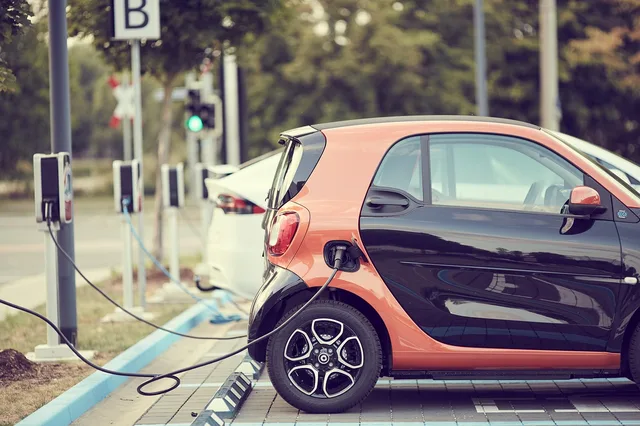
In our analysis of the evolving urban mobility landscape, the transition from internal combustion engines to electric powertrains is most visible in the compact segment. While high-performance luxury EVs capture the headlines, the true backbone of sustainable urban transit lies in the "Micro City Car" category. These vehicles are engineered for high-density environments where maneuverability, efficient charging, and cost-effectiveness are paramount. From practical evaluation, selecting a micro electric vehicle (EV) requires a nuanced understanding of how battery capacity dictates daily utility and how regional incentives can drastically alter the total cost of ownership.
The Core Metrics of Micro City Car Selection
When evaluating a micro EV, buyers must look beyond aesthetic appeal and focus on three technical pillars: range, charging efficiency, and economic viability. Unlike larger SUVs, micro EVs often utilize smaller battery packs to maintain weight efficiency and lower price points. This necessitates a strategic approach to "range anxiety." For a city dweller, a vehicle with a 200km range might be more than sufficient, whereas a commuter relying on highway transit requires a higher density cell.
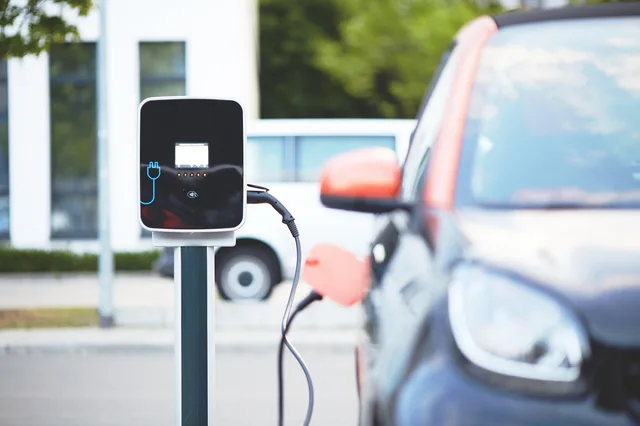
Furthermore, the charging infrastructure plays a decisive role. In urban centers, the ability to utilize Type 2 Mennekes connectors—standard for much of the European market—is a critical feature for home and public AC charging. A professional-grade solution, such as a 22kW AC charging station, can significantly reduce downtime, making the micro EV a viable primary vehicle rather than just a secondary runabout.
How Do Range and Charging Speed Impact Urban Utility?
The relationship between battery size and charging time is the most significant trade-off in the micro-car segment. Smaller batteries charge faster but offer less flexibility for long-distance travel. Conversely, larger batteries provide more range but may require more expensive hardware to achieve rapid charging.
To assist in your decision-making process, we have synthesized the primary comparison criteria for the micro-car category:
| Comparison Criterion | Micro City Car (Typical) | Compact Sedan/Hatchback EV | Large Luxury SUV EV |
|---|---|---|---|
| Primary Use Case | Short-distance urban commuting | Daily commuting & occasional trips | Long-distance & family travel |
| Battery Capacity | Low to Medium | Medium to High | Very High |
| Charging Priority | AC Home/Workplace Charging | Mixed AC/DC Fast Charging | High-speed DC Fast Charging |
| Maneuverability | Exceptional (Tight parking) | Moderate | Low (Large turning radius) |
| Cost Efficiency | Highest (Low entry price) | Moderate | Low (High premium) |
Navigating Subsidy Landscapes and Economic Benefits
One of the most compelling reasons to enter the micro EV market is the financial incentive structure. Governments globally have recognized that small-scale electrification is key to reducing urban congestion and emissions. In many jurisdictions, micro EVs qualify for higher subsidy tiers compared to larger vehicles because they are classified as "environmentally efficient" urban solutions.
When calculating your potential savings, do not merely look at the sticker price. You must factor in: * Direct Purchase Subsidies: Government grants that reduce the initial capital outlay. * Operational Savings: The significant delta between electricity costs per kilometer and gasoline costs. * Tax Incentives: Reductions in annual registration fees or urban congestion charges. * Maintenance Reductions: Lower long-term costs due to fewer moving parts in the electric drivetrain.
Essential Checklist for Micro EV Buyers
Before finalizing your purchase, use this professional checklist to ensure the vehicle aligns with your specific lifestyle requirements:
* [ ] Daily Mileage Audit: Does the advertised range cover 1.5x your average daily commute to account for seasonal battery degradation? * [ ] Charging Compatibility: Does the vehicle support the standard plug types (e.g., Type 2) available at your primary charging locations? * [ ] Infrastructure Access: Do you have access to a dedicated charging point at home, or is there a reliable public AC/DC network in your neighborhood? * [ ] Cargo and Passenger Needs: Does the micro-car's interior volume accommodate your weekly groceries or occasional passengers? * [ ] Resale Value Projection: Is the model part of a high-volume production series with established service networks?
Strategic Positioning in the Global Market
The micro-car segment is not merely a niche; it is a strategic response to the densification of global cities. While the global market is currently dominated by larger models—such as the Tesla Model Y, which has reached a cumulative delivery of approximately 4.2 million units—the growth of the micro-segment is driven by the necessity of "last-mile" efficiency and urban accessibility. As charging technology like the 22kW AC systems becomes more standardized, the gap between micro-car utility and traditional vehicles will continue to close, making them a formidable choice for the modern urbanite.
Frequently Asked Questions
Q: Is a micro EV sufficient for long-distance highway travel? A: Generally, no. Micro EVs are optimized for urban environments. While they can travel on highways, their smaller battery capacity and aerodynamic profiles mean they are less efficient at sustained high speeds. For trips exceeding 150-200km, a larger segment EV is recommended.
Q: How does weather affect the range of a small electric car? A: Temperature significantly impacts battery chemistry. In cold climates, heating the cabin and managing battery thermal regulation can reduce the effective range by 20-30%. It is vital to consider your local climate when evaluating the "real-world" range versus the manufacturer's laboratory rating.
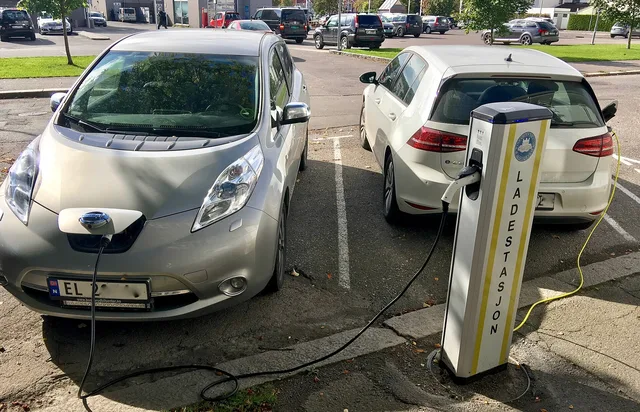
Q: Can I charge a micro EV using a standard domestic wall outlet? A: Yes, most micro EVs can be charged via a standard household outlet using a portable charger, but this is significantly slower than using a dedicated AC wallbox or a professional 22kW station. For daily reliability, installing a dedicated home charging solution is highly advised.



Comments 0