Tesla Guide: Find Your Best Model for 2025 Driving Needs
Choosing the right Tesla isn't just about picking a car; it's about selecting the specific software and ecosystem that fits your American lifestyle.
Deciding between a Model 3 or a Cybertruck depends entirely on whether you prioritize urban efficiency or rugged utility. To make the right choice, you must weigh real-world range, your access to the Supercharger network, and how much you value Full Self-Driving (FSD) capabilities.
* Segment Breakdown: S/X offer premium luxury; 3/Y provide mass-market efficiency; Cybertruck delivers unmatched utility. * Market Dominance: According to the IEA's 2025 report, Tesla maintains a leading share of the global BEV market through continuous tech iteration. * Software Value: BloombergNEF’s H1 2026 outlook shows Tesla's software revenue grew by 15% year-over-year, proving they are an IT company on wheels. * Key Decision Factors: Prioritize battery chemistry (LFP vs. NCM), federal tax credit eligibility, and charging infrastructure access.
How Did Tesla Become the Gold Standard for EVs?
Tesla didn't just build cars; they built a digital ecosystem that changed how we think about driving. While early adopters saw electric vehicles as niche gadgets, the launch of the Model 3 shifted the narrative toward practical, everyday transportation for the American commuter.
Data from Statista in 2025 indicates that Tesla’s annual deliveries continue to see double-digit growth, cementing their role at the center of the global EV supply chain. Their secret weapon has always been the Software-Defined Vehicle (SDV) approach. Through Over-the-Air (OTA) updates, your car actually gets better—and sometimes faster—while it sits in your driveway overnight.
The shift from hardware to software is also a massive financial driver. As noted in BloombergNEF's 2026 market forecast, Tesla’s revenue from software services has climbed significantly compared to previous years. This transition ensures that the vehicle remains relevant long after you leave the dealership.
I remember my first time behind the wheel of a Model Y last month at a local showroom. The silence was striking, but it was the regenerative braking—that smooth, intuitive deceleration as you lift off the pedal—that really made me feel like I was driving something from the future rather than just another car.
Detailed Breakdown: Which Tesla Fits Your Life?
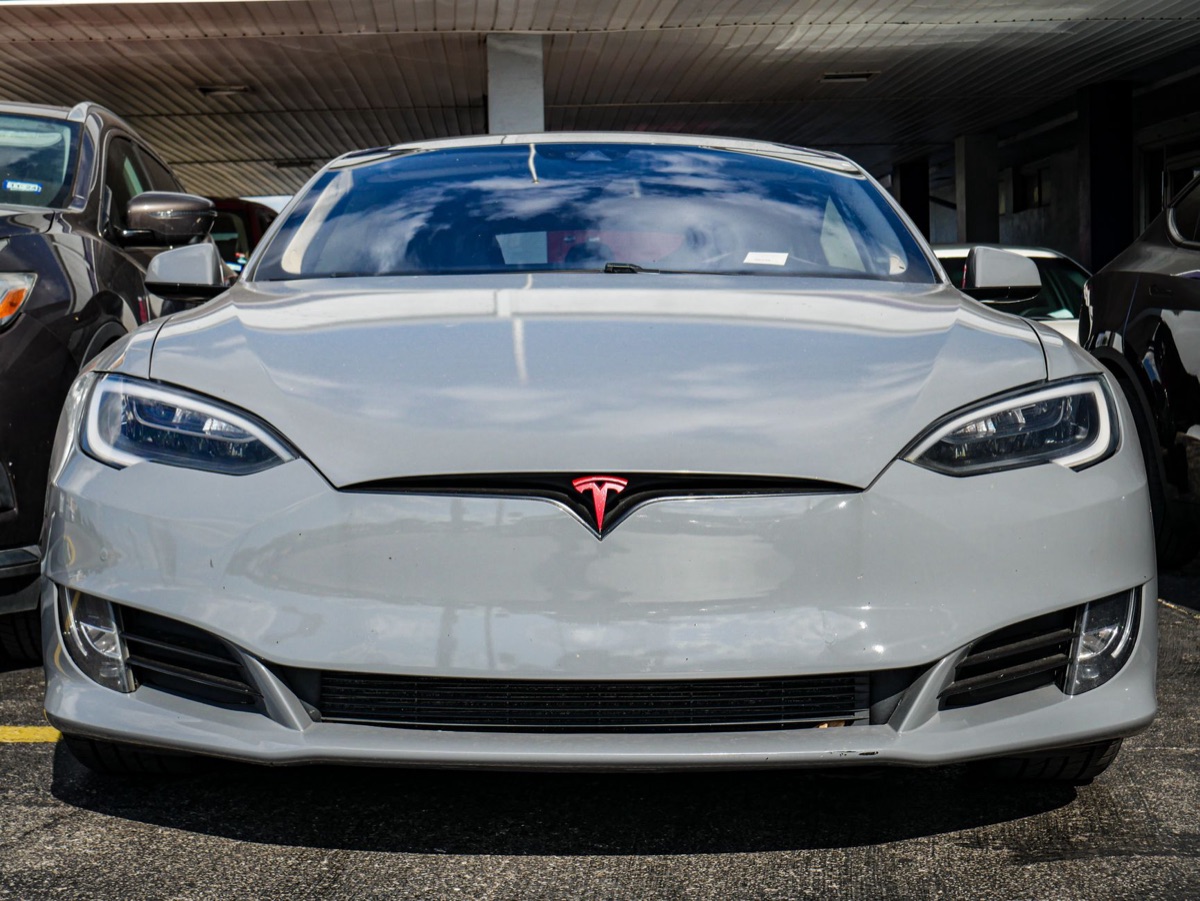
Tesla’s lineup is strategically divided into three tiers: Premium (S, X), Mass-Market (3, Y), and Utility (Cybertruck). Use the table below to compare their primary roles.
| Model | Segment | Primary Feature | Best For... |
|---|---|---|---|
| Model S | Premium Sedan | Ultra-high performance & range | Executives & Speed Enthusiasts |
| Model 3 | Compact Sedan | Efficiency & accessibility | Commuters & First-time EV owners |
| Model X | Premium SUV | Falcon Wing doors & interior space | Large families & Luxury seekers |
| Model Y | Compact SUV | Versatile cargo & best-seller | Suburban families & Adventurers |
| Cybertruck | Pickup Truck | Stainless steel exoskeleton | Outdoor enthusiasts & Tech pioneers |
1. The High-End Experience: Model S & Model X The Model S remains the flagship for performance, with recent iterations pushing ranges well beyond 400 miles on a single charge. The Model X is the ultimate family flex; its iconic Falcon Wing doors make accessing tight parking spots in crowded US malls surprisingly easy, despite the vehicle's large footprint.
2. The Daily Drivers: Model 3 & Model Y These two models are the backbone of Tesla’s success. The Model 3 offers a nimble, sporty feel perfect for navigating dense city traffic. Meanwhile, the Model Y has become a household name due to its massive cargo capacity and elevated seating position. The latest "Highland" refresh has significantly improved cabin quietness, addressing one of the biggest complaints from previous years.
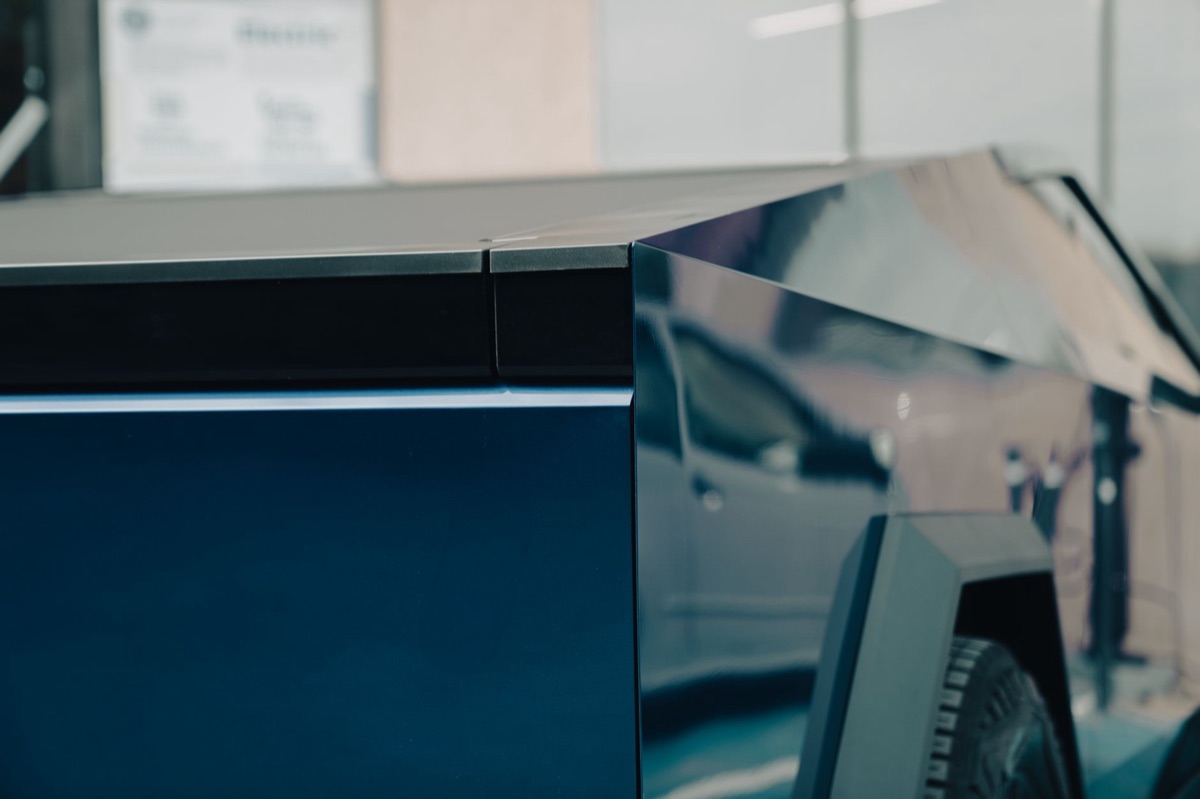
3. The Disruptor: Cybertruck The Cybertruck ignores traditional automotive design entirely. With its ultra-hard stainless steel body, it is built for durability and extreme torque. It isn't just a truck; it’s a mobile device designed to handle everything from construction sites to off-road trails with ease.
How Do I Choose the Right Model?
Don't just look at the sticker price. You need to map the vehicle to your actual daily routine. Follow these steps to narrow down your choice:
- Define Your Primary Use: Is this for a 30-mile solo commute (Model 3), hauling kids and groceries (Model Y), or weekend camping trips (Cybertruck)?
- Audit Your Charging Setup: Do you have a garage for a Level 2 home charger? If not, your proximity to the Tesla Supercharger network becomes your most important metric.
- Calculate Software Costs: Decide if you want to pay upfront for FSD or use a monthly subscription. Factor this into your long-term ownership budget.
- Measure Real-World Space: Check if your car seats fit comfortably in the back or if the "frunk" (front trunk) is large enough for your gear.
However, keep in mind that Tesla's minimalist philosophy isn't for everyone. Some drivers find the lack of physical buttons—relying instead on a central touchscreen for everything from windshield wipers to glovebox release—to be distracting or frustrating during heavy traffic.
Pro-Tips Before You Sign the Papers
If you are ready to pull the trigger, there are three technical details you cannot ignore.
First, understand Battery Chemistry. Most entry-level models use LFP (Lithium Iron Phosphate) batteries, which are incredibly durable and can be charged to 100% regularly without much degradation. High-performance models typically use NCM (Nickel Cobalt Manganese) batteries, which offer higher energy density for better range but require more careful charging habits.
Second, check the Federal Tax Credits. Under current 2026 guidelines, eligibility for the $7,500 clean vehicle credit depends on the specific model's battery sourcing and your adjusted gross income. Always verify the latest IRS list before finalizing your purchase.
Third, consider Resale Value. While Tesla’s software updates help keep older models feeling fresh, the market value of an EV can fluctuate based on battery health and new technological breakthroughs.





Comments 0