Guide: EV Mandate Policy Impact 29.1% Tax Benefits
"The transition to electric mobility is not merely a technological shift but a policy-driven revolution that reshapes national infrastructure and consumer behavior."
Government strategies like tax exemptions and regulatory mandates serve as the primary drivers for the rapid expansion of the electric vehicle market. These policies aim to align consumer choices with national climate goals by making zero-emission vehicles economically competitive.
Key takeaways: * Tax exemptions and weight deductions significantly lower the barrier to entry for electric vehicle adoption. * Legislative targets for battery electric vehicle fleets drive rapid market share growth.
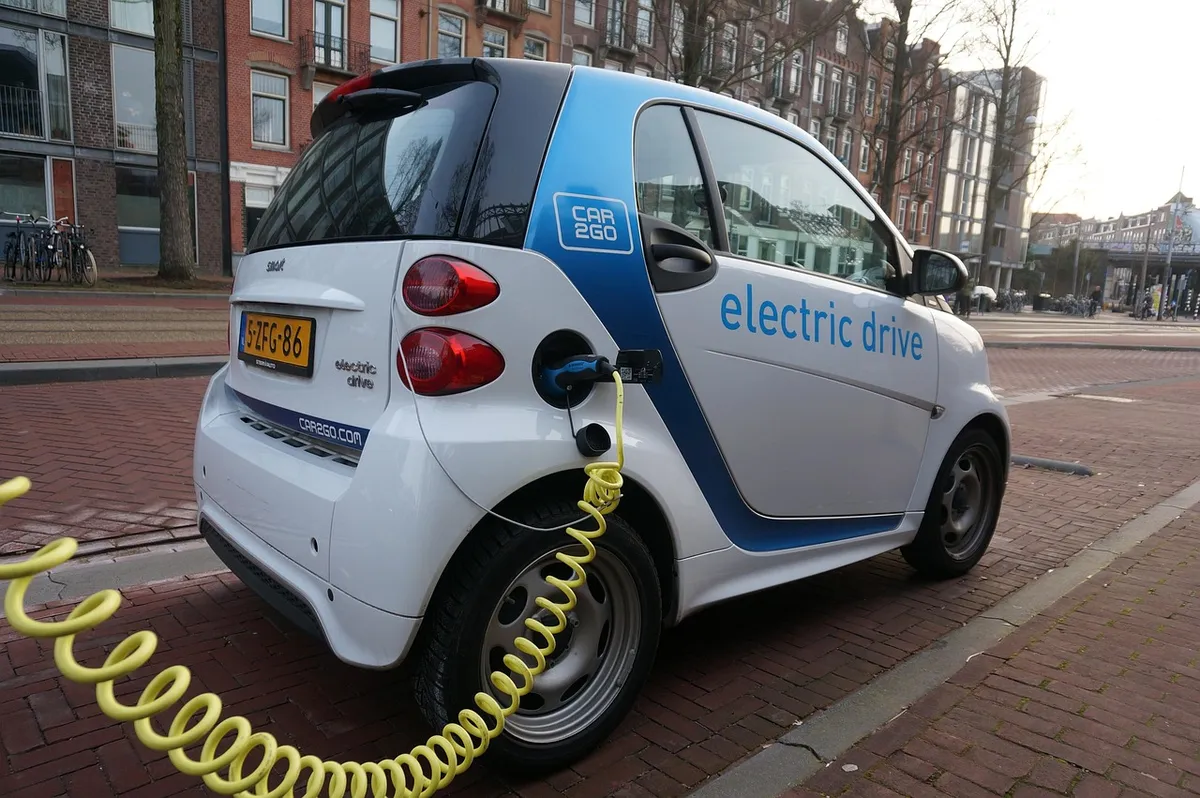
* Regulatory frameworks, such as those from the California Air Resources Board, set specific production requirements for hybrid technologies.
How do tax exemptions drive EV mandate policy impact?
A driver pulls into a charging station, noting how the cost of the vehicle was much lower than a traditional gasoline car due to government incentives. Financial incentives serve as a cornerstone for the rep EV mandate policy impact by directly reducing the purchase price.
In Norway, all-electric cars and vans are exempt from all non-recurring vehicle fees, including purchase taxes and 25% VAT on purchase, making the purchase price competitive with conventional cars. This strategic move allowed the plug-in car segment to achieve a 29.1% market share in 2016.
The effectiveness of these measures is evident as the market share climbed to 88.9% in 2024.
How will emission rules change the market? A technician inspects a new hybrid engine, noting how strict environmental standards have forced manufacturers to innovate. Regulatory frameworks like those involving auto emission rules dictate the pace at which manufacturers transition their fleets.
The California Air Resources Board (CARB) modified its regulations on March 27, requiring automobile manufacturers to produce 58,000 plug-in hybrids during the period from 2012 through 2014.
These types of ZEV requirement effect measures ensure that manufacturers meet specific technological benchmarks. Such regulations force a shift in the automotive landscape, ensuring that cleaner technologies are readily available to the public.
How do climate goals influence EV adoption drivers?
A policymaker reviews a chart showing rising electric car sales against a backdrop of decreasing carbon emissions. National climate targets often act as the primary EV adoption drivers, setting the stage for long-term market evolution.
According to the Norwegian Electric Vehicle Association, if the country wants to reach the ambitious climate goals set by the Parliament, the next goal is to have 400,000 battery electric vehicles by 2020.
This vision was supported by decisions like the September 2013 approval of a 25% VAT exemption for leasing electric vehicles, effective January 1, 2014. This clear direction helps align industrial capacity with environmental necessity.
Will weight deductions affect my sales? A motorist compares the weight of a new plug-in hybrid to an older model, noticing the subtle differences in handling and tax categories. Adjusting specific tax variables can influence which types of electric vehicles dominate the road.
Beginning on 1 July 2013, the existing weight deduction for conventional hybrids and plug-in hybrids of 10% was increased to 15% for PHEVs. This was later adjusted, as the weight deduction was increased to 26% effective since January 2015.
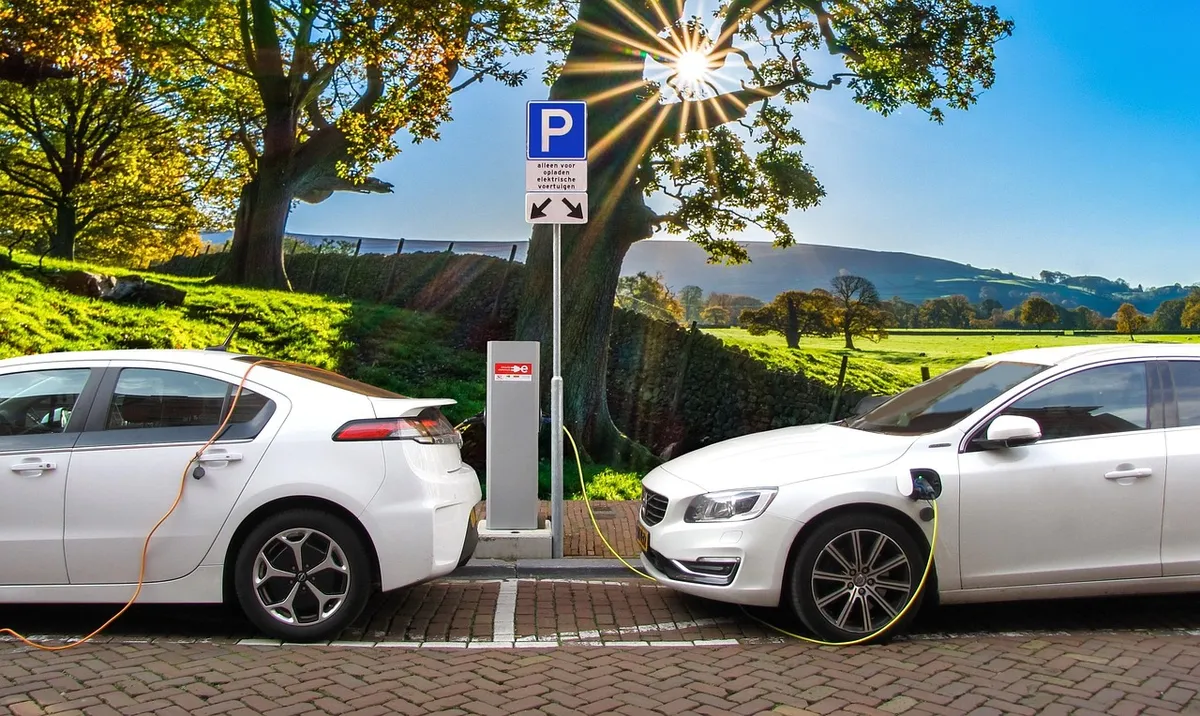
These adjustments can pivot the market, as seen when the plug-in hybrid market share rose from just over 1% in 2014 to 13.9% in September 2016.
What are the limitations of these policy-driven shifts?
A researcher looks at a graph where adoption rates fluctuate based on changing subsidy availability. While policy can accelerate growth, it also creates dependencies on specific legislative windows and economic conditions.
As reported by the California Air Resources Board, regulations were modified on March 27, requiring automobile manufacturers to produce 58,000 plug-in hybrids during 2012 through 2014.
One limitation is that the approval from ESA initially applies until the end of 2017, but the government can apply for an extension if the zero rate for VAT is kept. This means market stability is often tied to the continuity of specific tax treatments.
Furthermore, the success of these policies is often tied to the underlying energy grid, such as when 98% of electricity in Norway comes from renewable sources like hydropower.
Summary of Market Growth and Policy
| Year | Market Share / Milestone |
|---|---|
| 2016 | 29.1% of new cars sold |
| 2024 | 88.9% of new cars sold |
The transition to electric vehicles demonstrates how targeted fiscal measures can reshape an entire industry. By utilizing VAT exemptions and weight deductions, governments can rapidly shift consumer preference toward cleaner energy.
How did the market change in Norway? The Norwegian plug-in car segment market share achieved 29.1% of new cars sold in 2016 and reached 88.9% in 2024.
What was a specific regulatory requirement for manufacturers? The California Air Resources Board (CARB) required automobile manufacturers to produce 58,000 plug-in hybrids during 2012 through 2014.
The effectiveness of these policies is subject to the continuation of specific tax exemptions and the achievement of national climate targets.
What factors influence the speed of the transition?
The speed of the transition relies heavily on the interplay between consumer incentives and manufacturer compliance with environmental mandates. Financial policies, such as tax benefits, directly influence the consumer's decision regarding the electric vehicle.
Simultaneously, legislative targets compel manufacturers to adjust their production mix to meet mandated emission standards.
- Tax incentives lower the initial cost barrier for consumers considering an electric vehicle. 2. Legislative targets compel manufacturers to commit to specific production volumes of zero-emission vehicles. 3. Regulatory bodies establish the specific technological benchmarks that manufacturers must meet.
How do policy changes affect market dynamics?
Policy changes introduce specific conditions that dictate the market's trajectory toward electric mobility. The responsiveness of the market to these conditions demonstrates the policy's effectiveness.

The introduction of specific production requirements by bodies like CARB forces a tangible shift in the automotive manufacturing base. Furthermore, the extension or removal of tax benefits directly correlates with the consumer adoption rate observed in markets like Norway.
These conditions underscore that the transition is a dynamic response to external policy signals.
- How do tax exemptions drive EV mandate policy impact?
- What role do emission rules play in market shifts?
- How do climate goals influence EV adoption drivers?
The same subject is also called Govt policy electric cars.
This part also covers Carbon tax vehicle market.
This part also covers Phase out combustion engines.
This part also covers Policy drives EV sales.
Carbon tax vehicle market
Related






Comments 0