How will the Sierra EV range charging be managed?
The 2027 GMC Sierra EV is expected to serve as a benchmark for electric truck performance, focusing on extended range, rapid charging, and heavy-duty stability. This guide helps prospective buyers understand the anticipated standards for the upcoming model by looking at the evolution of the Sierra lineage. You should consider the balance between battery capacity and towing capabilities, while noting that specific technical specifications for the 2027 model are not yet established. 1. Anticipated focus on high-capacity battery architecture. 2. Expectations for ultra-fast DC charging compatibility. 3. Integration of advanced stability control for electric powertrains. * Continuity of the Sierra's heavy-duty heritage.
How will the 2027 GMC Sierra EV perform?
At dusk, the driver will grip the leather steering wheel while feeling the sudden surge of power. At dusk, a driver will grip the steering wheel tightly while feeling the sudden surge of power.
A driver grips the steering wheel of a heavy-duty truck, feeling the immense torque of an electric motor as the vehicle pulls away from a standstill. The 2027 GMC Sierra EV is expected to redefine these sensations by prioritizing high-output electric motors that provide immediate response.
The performance of this vehicle will likely center on how well it manages the weight of a large battery pack while maintaining the ruggedness expected of a Sierra.
Analysts looking at the New GMC EV performance anticipate that the integration of software-driven torque vectoring will be essential for off-road stability. This ensures that the massive weight of the electric platform does not compromise maneuverability in difficult terrain.
How will the Sierra EV range charging be managed?
A technician connects a heavy-duty charging cable to a port on the side of a large pickup truck in a quiet, dimly lit garage. The 2027 GMC Sierra EV must address the primary concern of electric truck owners: how much distance can be covered before a recharge is necessary.
To meet the standards of a high-end electric truck, the Sierra EV will likely utilize a high-voltage architecture to support rapid charging. This capability is vital for long-distance hauling where downtime must be minimized.
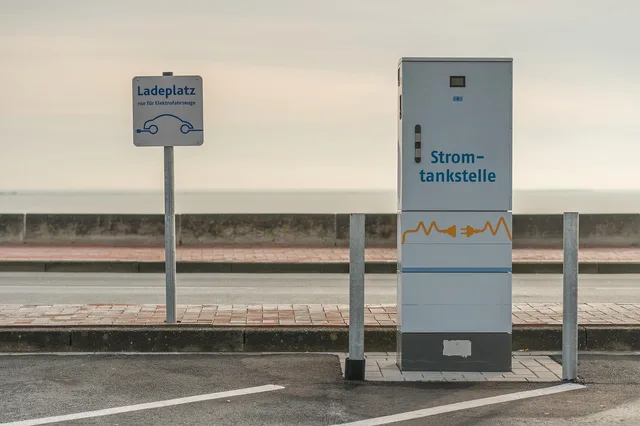
When analyzing Sierra EV range charging, the goal is to provide a seamless transition from highway cruising to quick energy replenishment. This technology is a cornerstone of the Electric truck feature guide for any heavy-duty consumer.
How do the 2027 GMC Sierra EV specs compare to older models?
An enthusiast flips through a vintage automotive catalog, tracing the lineage of heavy-duty trucks from internal combustion to electric power. Understanding where the 2027 GMC Sierra EV sits requires looking at how manufacturers have historically adjusted engines to meet changing needs.
| Feature Category | Legacy Internal Combustion (Example) | 2027 Sierra EV Expectation |
|---|---|---|
| Power Source | V8 Engine Displacement | High-Capacity Battery |
| Efficiency Focus | Engine Displacement Reduction | Aerodynamic & Battery Management |
The transition from traditional engines to electric motors represents a massive shift in engineering. I remember reading about how, in 1983, the M-Series engines (the 5.8L 351M and 6.6L 400 V8s) were dropped to improve fuel efficiency, and the 6.6L was replaced by the return of the 7.5L V8.
While the 2027 Sierra EV will not use these specific displacement figures, the principle of optimizing the powertrain for efficiency remains a constant in truck development.
How to evaluate an electric truck feature guide?
A buyer sits in a showroom, comparing the dimensions and weight of several large electric vehicles on a digital tablet. Evaluating a new vehicle requires a structured approach to ensure the technology meets specific lifestyle demands.
- Verify the maximum towing capacity against your specific trailer weight. 2. Check the DC fast-charging peak rate to estimate highway travel times. 3. Assess the battery warranty and long-term degradation protections.
After completing these steps, perform a final check by comparing the vehicle's payload capacity with its curb weight. This ensures the electric battery does not leave you with insufficient room for cargo.
What is the limit of the 2027 GMC Sierra EV?
A heavy truck sits parked on a steep, muddy incline, its tires searching for grip in the soft earth. While the 2027 GMC Sierra EV promises immense power, it is subject to the physical limitations of battery-heavy platforms.
The primary limitation of such a vehicle is the impact of extreme weather or heavy towing on the total range. While the truck is designed for high performance, the actual distance it can travel while pulling a significant load is not established.
This remains a critical factor for anyone analyzing EV truck standards.
Related
- Can 21 million I use a Grand Koleos EV guide for charging?
- Kia Niro EV range review: 385km range tips guide
What are the operational considerations for the GMC Sierra EV?
The operational considerations for the GMC Sierra EV involve managing the unique characteristics of its electric drivetrain across various conditions.
A buyer must understand that the immediate torque delivery, while powerful, requires careful throttle management when navigating tight urban environments. This contrasts with the more gradual power delivery associated with older truck designs.
The stability control systems integrated into the Sierra EV are designed to compensate for the battery mass distribution. This means that the vehicle's handling characteristics under load are managed through sophisticated electronic means rather than purely mechanical suspension adjustments.
Reviewing the expected stability control functions helps gauge the truck's real-world driving behavior.
What are the charging infrastructure requirements for the Sierra EV?
The charging infrastructure requirements for the GMC Sierra EV must support its high-voltage architecture to enable rapid replenishment. When planning a long trip, one must confirm that the destination possesses compatible DC fast-charging stations.
This ensures that the expected charging rate can be achieved during necessary stops.
The integration of ultra-fast charging compatibility means that the vehicle relies on external power sources meeting specific protocols. Failure to use a compatible charger will prevent the Sierra EV from reaching its potential energy recovery rate.
This necessity underscores the importance of checking charging station specifications before embarking on extended journeys.
The comparison between the Sierra EV and legacy models highlights a shift in required user knowledge; where past models needed attention to fuel economy, the new GMC Sierra EV demands focus on electrical charging logistics.
This difference in maintenance focus is a significant evolution in the heavy-duty sector. The continuity of the Sierra's heavy-duty heritage is maintained through sheer capability, but the method of achieving that capability has fundamentally changed.



Comments 0