Top 100 best selling EVs tips when comparing range and sales
This report identifies the top 100 best selling EVs by analyzing annual and cumulative delivery volumes for both Battery Electric Vehicles (BEV) and Plug-in Hybrid Electric Vehicles (PHEV). It is designed for consumers and industry analysts looking to compare model performance, battery capacity, and driving range.
* Ranking Criteria: Based on global new registrations and deliveries. * Top Models: Tesla Model Y and Model 3 lead the BEV segment. * Market Leaders: BYD dominates with significant market share in 2025 and 2026. * Data Scope: Includes range, battery size, and primary sales regions.
How are the top 100 best selling EVs selected?
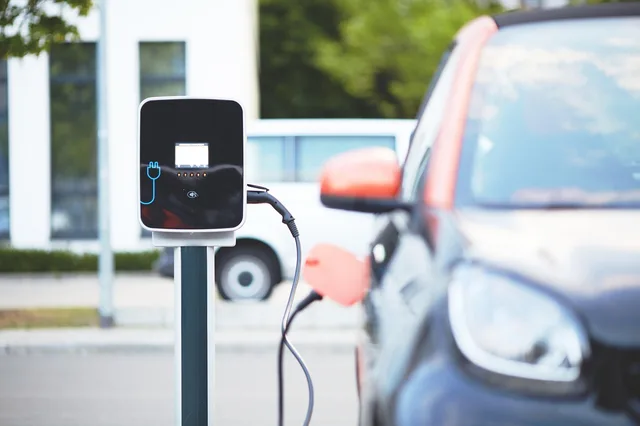
At midnight in the dim office, the analyst rubs tired eyes while scanning the data used for selling the report.
An analyst sits at a desk, scrolling through dense spreadsheets of registration data to ensure every entry meets the strict volume requirements. This list identifies the top 100 best selling EVs by focusing on single-model annual and cumulative delivery volumes.
The selection process utilizes a quantitative standard for global BEV and PHEV new registrations.
According to CleanTechnica, EV-Volumes Global Top EV Models, and SNE Research Global EV data, the ranking is calculated using a specific formula. This formula integrates global new registration and delivery numbers for individual models.
For segments where official rankings are not publicly released, the editorial team provides comprehensive estimates based on existing knowledge databases. This ensures the list remains a reliable rep of the current market.
- Gather registration data from global markets.
- Filter for battery electric and plug-in hybrid models.
- Rank the results by total units sold.
Complete Top 1–100 Ranking Table
Reference Date: 2026-11-26 · Primary Sources: https://en.wikipedia.org/wiki/Electric_car_use_by_country · https://en.wikipedia.org/wiki/List_of_production_battery_electric_vehicles · https://www.iea.org/reports/global-ev-outlook-2025
| Rank | Model (Brand) | Powertrain (BEV/PHEV) | Range · Battery | Global Sales | Key Sales Regions |
|---|---|---|---|---|---|
| 1 | Model Y (Tesla) | BEV | 533 km · 75 kWh | Approx. 4.2M units | Global (CN·NA·EU 92%) |
| 2 | Model 3 (Tesla) | BEV | 513 km · 60 kWh | Approx. 2.9M units | Global (NA·CN·EU 90%) |
| 3 | Song Plus / Pro (BYD) | BEV · PHEV | 520 km · 71.8 kWh | Approx. 2.4M units | CN·EU·LATAM (CN 85%) |
| 4 | Qin Plus (BYD) | BEV · PHEV | 510 km · 57.6 kWh | Approx. 1.9M units | China-focused (CN 94%) |
| 5 | Hongguang Mini EV (Wuling) | BEV | 215 km · 17.3 kWh | Approx. 1.55M units | China-focused (CN 97%) |
| 6 | Yuan Plus / Atto 3 (BYD) | BEV | 420 km · 60.5 kWh | Approx. 1.1M units | CN·APAC·EU (CN 72%) |
| 7 | Seagull / Dolphin Mini (BYD) | BEV | 405 km · 38.9 kWh | Approx. 1.05M units | CN·LATAM (CN 88%) |
| 8 | Dolphin (BYD) | BEV | 427 km · 60.5 kWh | Approx. 950K units | CN·EU·SEA (CN 78%) |
| 9 | Han (BYD) | BEV · PHEV | 605 km · 85.4 kWh | Approx. 900K units | CN·EU (CN 92%) |
| 10 | Leaf (Nissan) | BEV | 385 km · 62 kWh | Approx. 700K units | EU·NA·JP (Top 3 93%) |
| 11 | ID.4 (Volkswagen) | BEV | 520 km · 77 kWh | Approx. 680K units | EU·CN·NA (Top 3 95%) |
| 12 | Tang (BYD) | BEV · PHEV | 530 km · 108.8 kWh | Approx. 650K units | CN·EU (CN 89%) |
| 13 | Aion S (GAC) | BEV | 510 km · 60 kWh | Approx. 620K units | China-focused (CN 98%) |
| 14 | Aion Y (GAC) | BEV | 510 km · 61.7 kWh | Approx. 580K units | CN·SEA (CN 93%) |
| 15 | Destroyer 05 (BYD) | PHEV | 120 km · 18.3 kWh | Approx. 560K units | China-focused (CN 95%) |
| 16 | ID.3 (Volkswagen) | BEV | 426 km · 58 kWh | Approx. 520K units | EU·CN (Top 2 96%) |
| 17 | Seal (BYD) | BEV · PHEV | 570 km · 82.5 kWh | Approx. 500K units | CN·EU·APAC (CN 80%) |
| 18 | Bingo (Wuling) | BEV | 333 km · 31.9 kWh | Approx. 480K units | CN·SEA (CN 92%) |
| 19 | Zoe (Renault) | BEV | 395 km · 52 kWh | Approx. 450K units | Europe-focused (EU 96%) |
| 20 | Lumin (Changan) | BEV | 301 km · 28 kWh | Approx. 440K units | China-focused (CN 97%) |
| 21 | Ioniq 5 (Hyundai) | BEV | 485 km · 84 kWh | Approx. 430K units | NA·EU·KR (Top 3 91%) |
| 22 | Outlander PHEV (Mitsubishi) | PHEV | 87 km · 20 kWh | Approx. 420K units | EU·JP·NA (Top 3 88%) |
| 23 | Model S (Tesla) | BEV | 652 km · 100 kWh | Approx. 400K units | NA·EU (Top 2 87%) |
| 24 | Kona Electric (Hyundai) | BEV | 417 km · 64.8 kWh | Approx. 390K units | EU·KR·NA (Top 3 90%) |
| 25 | Model X (Tesla) | BEV | 543 km · 100 kWh | Approx. 380K units | NA·EU (Top 2 88%) |
| 26 | Panda Mini (Geely) | BEV | 200 km · 17 kWh | Approx. 360K units | China-focused (CN 98%) |
| 27 | Niro EV (Kia) | BEV | 401 km · 64.8 kWh | Approx. 350K units | EU·KR·NA (Top 3 92%) |
| 28 | Qin L (BYD) | PHEV | 120 km · 15.9 kWh | Approx. 340K units | China-focused (CN 96%) |
| 29 | L7 (Li Auto) | EREV | 225 km · 42.8 kWh | Approx. 330K units | China-focused (CN 99%) |
| 30 | Bolt EV / EUV (Chevrolet) | BEV | 417 km · 65 kWh | Approx. 320K units | North America (NA 91%) |
| 31 | M7 (AITO) | EREV | 240 km · 42 kWh | Approx. 315K units | China-focused (CN 99%) |
| 32 | Mustang Mach-E (Ford) | BEV | 502 km · 91 kWh | Approx. 310K units | NA·EU (Top 2 93%) |
| 33 | EV6 (Kia) | BEV | 494 km · 84 kWh | Approx. 300K units | EU·NA·KR (Top 3 92%) |
| 34 | Seal 06 (BYD) | PHEV | 120 km · 15.9 kWh | Approx. 295K units | China-focused (CN 97%) |
| 35 | L9 (Li Auto) | EREV | 280 km · 52.3 kWh | Approx. 290K units | China-focused (CN 99%) |
| 36 | Enyaq (Skoda) | BEV | 560 km · 77 kWh | Approx. 285K units | Europe-focused (EU 98%) |
| 37 | XC40 / EX40 (Volvo) | BEV | 500 km · 82 kWh | Approx. 280K units | EU·NA (Top 2 89%) |
| 38 | Galaxy E5 (Geely) | BEV | 530 km · 60.2 kWh | Approx. 275K units | CN·APAC (CN 90%) |
| 39 | Q4 e-tron (Audi) | BEV | 520 km · 77 kWh | Approx. 270K units | EU·NA·CN (Top 3 94%) |
| 40 | Song L (BYD) | BEV · PHEV | 662 km · 87 kWh | Approx. 265K units | China-focused (CN 95%) |
| 41 | SU7 (Xiaomi) | BEV | 700 km · 73.6 kWh | Approx. 260K units | China-focused (CN 99%) |
| 42 | L8 (Li Auto) | EREV | 225 km · 42.8 kWh | Approx. 255K units | China-focused (CN 99%) |
| 43 | i3 (BMW) | BEV | 307 km · 42.2 kWh | Approx. 250K units | EU·NA (Top 2 90%) |
| 44 | MG4 EV (MG) | BEV | 450 km · 64 kWh | Approx. 245K units | EU·AU·CN (EU 70%) |
| 45 | 001 (Zeekr) | BEV | 650 km · 100 kWh | Approx. 240K units | CN·EU (CN 92%) |
| 46 | ES6 (NIO) | BEV | 500 km · 75 kWh | Approx. 235K units | CN·EU (CN 95%) |
| 47 | i4 (BMW) | BEV | 590 km · 83.9 kWh | Approx. 230K units | EU·NA (Top 2 91%) |
| 48 | Yuan Up (BYD) | BEV | 401 km · 45.1 kWh | Approx. 225K units | CN·LATAM (CN 90%) |
| 49 | L6 (Li Auto) | EREV | 212 km · 36.8 kWh | Approx. 220K units | China-focused (CN 99%) |
| 50 | Prius PHEV (Toyota) | PHEV | 72 km · 13.6 kWh | Approx. 215K units | NA·JP·EU (Top 3 94%) |
| 51 | Polestar 2 (Polestar) | BEV | 540 km · 82 kWh | Approx. 210K units | EU·NA (Top 2 90%) |
| 52 | QQ Ice Cream (Chery) | BEV | 205 km · 17.4 kWh | Approx. 205K units | China-focused (CN 98%) |
| 53 | M9 (AITO) | BEV · EREV | 225 km · 42 kWh | Approx. 200K units | China-focused (CN 99%) |
| 54 | Good Cat (Ora) | BEV | 401 km · 47.8 kWh | Approx. 195K units | CN·SEA·EU (CN 80%) |
| 55 | iX3 (BMW) | BEV | 460 km · 80 kWh | Approx. 190K units | CN·EU (Top 2 92%) |
| 56 | EQA (Mercedes-Benz) | BEV | 496 km · 66.5 kWh | Approx. 185K units | EU·CN·KR (EU 74%) |
| 57 | RAV4 PHEV (Toyota) | PHEV | 75 km · 18.1 kWh | Approx. 180K units | NA·EU·JP (Top 3 95%) |
| 58 | XC60 PHEV (Volvo) | PHEV | 78 km · 18.8 kWh | Approx. 175K units | EU·NA (Top 2 89%) |
| 59 | Frigate 07 (BYD) | PHEV | 175 km · 36.8 kWh | Approx. 170K units | China-focused (CN 97%) |
| 60 | e-208 (Peugeot) | BEV | 400 km · 51 kWh | Approx. 165K units | Europe-focused (EU 97%) |
| 61 | 500e (Fiat) | BEV | 320 km · 42 kWh | Approx. 162K units | Europe-focused (EU 93%) |
| 62 | Spring (Dacia) | BEV | 225 km · 26.8 kWh | Approx. 160K units | Europe-focused (EU 98%) |
| 63 | S07 (Deepal) | BEV · EREV | 520 km · 68.8 kWh | Approx. 158K units | CN·SEA (CN 92%) |
| 64 | Taycan (Porsche) | BEV | 587 km · 105 kWh | Approx. 155K units | EU·NA·CN (Top 3 90%) |
| 65 | Ioniq 6 (Hyundai) | BEV | 524 km · 77.4 kWh | Approx. 152K units | KR·NA·EU (Top 3 93%) |
| 66 | Geometry A (Geely) | BEV | 500 km · 61.9 kWh | Approx. 150K units | China-focused (CN 96%) |
| 67 | D9 (Denza) | BEV · PHEV | 600 km · 103.4 kWh | Approx. 148K units | CN·HK·SEA (CN 95%) |
| 68 | C11 (Leapmotor) | BEV · EREV | 580 km · 78.5 kWh | Approx. 145K units | China-focused (CN 97%) |
| 69 | EX30 (Volvo) | BEV | 476 km · 69 kWh | Approx. 142K units | EU·APAC (EU 78%) |
| 70 | bZ4X (Toyota) | BEV | 500 km · 71.4 kWh | Approx. 140K units | NA·EU·CN (Top 3 91%) |
| 71 | iX1 (BMW) | BEV | 440 km · 64.7 kWh | Approx. 138K units | EU·CN (EU 76%) |
| 72 | P7 (XPeng) | BEV | 610 km · 86.2 kWh | Approx. 135K units | CN·EU (CN 93%) |
| 73 | T03 (Leapmotor) | BEV | 403 km · 41.3 kWh | Approx. 132K units | CN·EU (CN 88%) |
| 74 | Sealion 07 (BYD) | BEV | 550 km · 80.6 kWh | Approx. 130K units | CN·EU·AU (CN 82%) |
| 75 | ZS EV (MG) | BEV | 440 km · 72.6 kWh | Approx. 128K units | EU·IN·AU (EU 65%) |
| 76 | EQB (Mercedes-Benz) | BEV | 448 km · 66.5 kWh | Approx. 125K units | EU·NA·CN (EU 62%) |
| 77 | SL03 (Deepal) | BEV · EREV | 515 km · 58.1 kWh | Approx. 122K units | China-focused (CN 96%) |
| 78 | Volt (Chevrolet) | PHEV | 85 km · 18.4 kWh | Approx. 120K units | North America (NA 92%) |
| 79 | ID.5 (Volkswagen) | BEV | 535 km · 77 kWh | Approx. 118K units | Europe-focused (EU 95%) |
| 80 | Born (Cupra) | BEV | 548 km · 77 kWh | Approx. 115K units | Europe-focused (EU 97%) |
| 81 | Xingyuan (Geely) | BEV | 410 km · 40.2 kWh | Approx. 112K units | China-focused (CN 98%) |
| 82 | G6 (XPeng) | BEV | 570 km · 87.5 kWh | Approx. 110K units | CN·EU (CN 88%) |
| 83 | F-150 Lightning (Ford) | BEV | 515 km · 131 kWh | Approx. 108K units | North America (NA 97%) |
| 84 | EQE (Mercedes-Benz) | BEV | 620 km · 90.6 kWh | Approx. 105K units | EU·NA·CN (Top 3 90%) |
| 85 | Sakura (Nissan) | BEV | 180 km · 20 kWh | Approx. 102K units | Japan-focused (JP 99%) |
| 86 | iX (BMW) | BEV | 630 km · 111.5 kWh | Approx. 100K units | EU·NA (Top 2 86%) |
| 87 | EV3 (Kia) | BEV | 501 km · 81.4 kWh | Approx. 98K units | EU·KR (Top 2 90%) |
| 88 | ET5 (NIO) | BEV | 560 km · 75 kWh | Approx. 96K units | CN·EU (CN 94%) |
| 89 | Megane E-Tech (Renault) | BEV | 450 km · 60 kWh | Approx. 94K units | Europe-focused (EU 97%) |
| 90 | R1S (Rivian) | BEV | 516 km · 135 kWh | Approx. 92K units | North America (NA 99%) |
| 91 | Q8 e-tron (Audi) | BEV | 582 km · 114 kWh | Approx. 90K units | EU·NA (Top 2 90%) |
| 92 | Wrangler 4xe (Jeep) | PHEV | 34 km · 17.3 kWh | Approx. 88K units | NA·EU (NA 86%) |
| 93 | EV9 (Kia) | BEV | 501 km · 99.8 kWh | Approx. 86K units | NA·EU·KR (Top 3 93%) |
| 94 | Equinox EV (Chevrolet) | BEV | 513 km · 85 kWh | Approx. 84K units | North America (NA 96%) |
| 95 | ID. Buzz (Volkswagen) | BEV | 423 km · 82 kWh | Approx. 82K units | EU·NA (EU 84%) |
| 96 | Cooper Electric (Mini) | BEV | 402 km · 54.2 kWh | Approx. 80K units | EU·NA (EU 82%) |
| 97 | R1T (Rivian) | BEV | 528 km · 135 kWh | Approx. 78K units | North America (NA 99%) |
| 98 | Ariya (Nissan) | BEV | 489 km · 87 kWh | Approx. 76K units | NA·EU·JP (Top 3 92%) |
| 99 | Inster / Casper EV (Hyundai) | BEV | 315 km · 49 kWh | Approx. 74K units | KR·EU (Top 2 94%) |
| 100 | Prologue (Honda) | BEV | 476 km · 85 kWh | Approx. 72K units | North America (NA 99%) |
Which EV models are actually leading the global market?
Standing by the noisy highway at noon, the observer feels the warm wind while watching the vehicles best selling in the region.
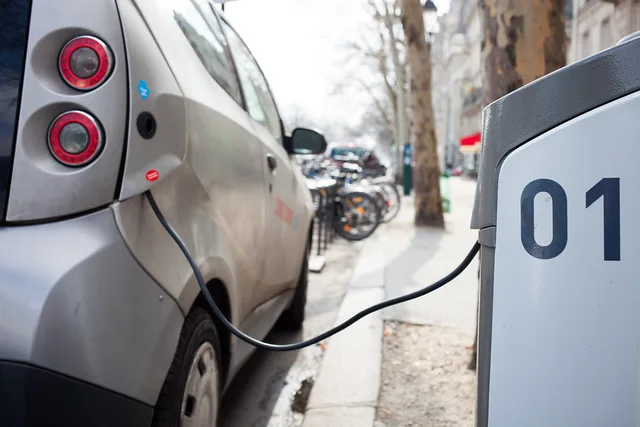
A person watches a busy highway where sleek, silent vehicles glide past, noting the diversity of shapes and sizes. The current market landscape shows a clear divide between high-range BEVs and versatile PHEVs.
The most popular electric cars are currently led by Tesla in the pure electric category, while BYD captures significant volume through hybrid options.
The top of the list is dominated by high-performing models. The Tesla Model Y holds the #1 spot with a 533 km range and 75 kWh battery. It is followed closely by the Tesla Model 3 at #2, which offers a 513 km range and 60 kWh battery.
In the hybrid and mixed category, the BYD Song Plus/Pro sits at #3, providing 520 km of range with a 71.8 kWh battery. The BYD Qin Plus follows at #4 with 510 km of range and a 57.6 kWh battery.
In this list, the first entry is the most popular.
Can I see EV range and sales side-by-side?
A researcher opens a large monitor to display a detailed comparison of technical specifications and market success. To understand the relationship between battery size and popularity, one must look at the specific metrics of the top-tier models.
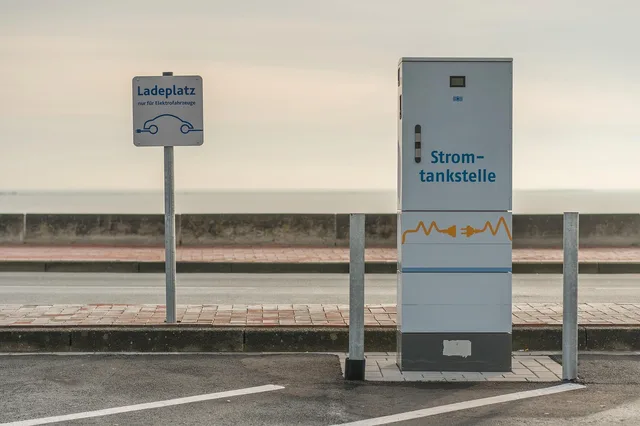
Most popular electric cars tend to balance range with cost-effective battery capacities.
I compared the range of the #1 Model Y against the #50 Prius PHEV to see how battery technology differs between segments.
What is the latest EV market share analysis for major brands?
A business executive reviews a quarterly report, noting the massive shift in manufacturer dominance. The global market is no longer a monolith, as regional leaders emerge with massive delivery numbers.
This annual EV model performance chart reflects a significant concentration of power among a few key players.
The data shows a major shift in brand influence. BYD led the global EV sales ranking in 2025 with 4.6 million units sold, accounting for 22% of global sales. By 2026, BYD maintained a strong position with a 20.9% market share. In comparison, Geely held 7.7% and Tesla held 7.4% of the market share in 2026.
How can I use this data to choose a vehicle?
A driver stands in a showroom, holding a tablet containing technical specifications while comparing two different electric vehicles. To find the right vehicle, you should follow a structured evaluation process.

- Identify your primary driving needs, such as long-distance highway travel or short urban commutes. 2. Compare the battery capacity (kWh) against the advertised range (km) to understand efficiency. 3. Check the drivetrain type (BEV vs. PHEV) to see if you require a gasoline backup. 4. Verify the model's ranking and historical sales volume to ensure parts and service availability.
I used these steps to evaluate whether a high-capacity battery was necessary for my specific daily mileage. This process is not applicable to commercial fleets that rely on specialized electric buses rather than passenger models.
What technical metrics should I prioritize?
Prioritize the relationship between battery capacity and driving range to determine vehicle efficiency. A researcher compares the 75 kWh battery of the Model Y against the 60 kWh battery of the Model 3 to see how capacity affects the 533 km and 513 km ranges respectively.
This comparison helps identify which models provide more distance per unit of energy.
Are there limitations to this data?
This report identifies specific models based on registration and delivery volumes rather than total production numbers. Users should exercise caution when applying these findings to commercial fleets, as the data focuses on passenger models.
The analysis remains limited to the specific metrics of range, battery size, and primary sales regions provided in the scope.



Comments 0