Model Y: 17.6% Market Share Drives Electric Success
From a 2020 debut to global dominance, the Tesla Model Y has redefined the compact crossover SUV segment and become the benchmark for the mass-market transition to electric mobility.
The Model Y's rise was not a matter of luck, but a masterclass in manufacturing efficiency and market timing. By building on a proven foundation, Tesla transformed a sedan-focused company into a leader of the most profitable automotive segment in the world.
Key Takeaways: * The Model Y’s success is built on strategic platform sharing, utilizing 75% of the content from the Model 3. * Tesla maintained a dominant 17.6% share of the global battery electric vehicle (BEV) market in 2024.
* The vehicle's versatility across various drivetrain configurations—from RWD to Trimotor—drives its global appeal. * Despite market volatility and leadership shifts, the Model Y remains a cornerstone of the global automotive transition.
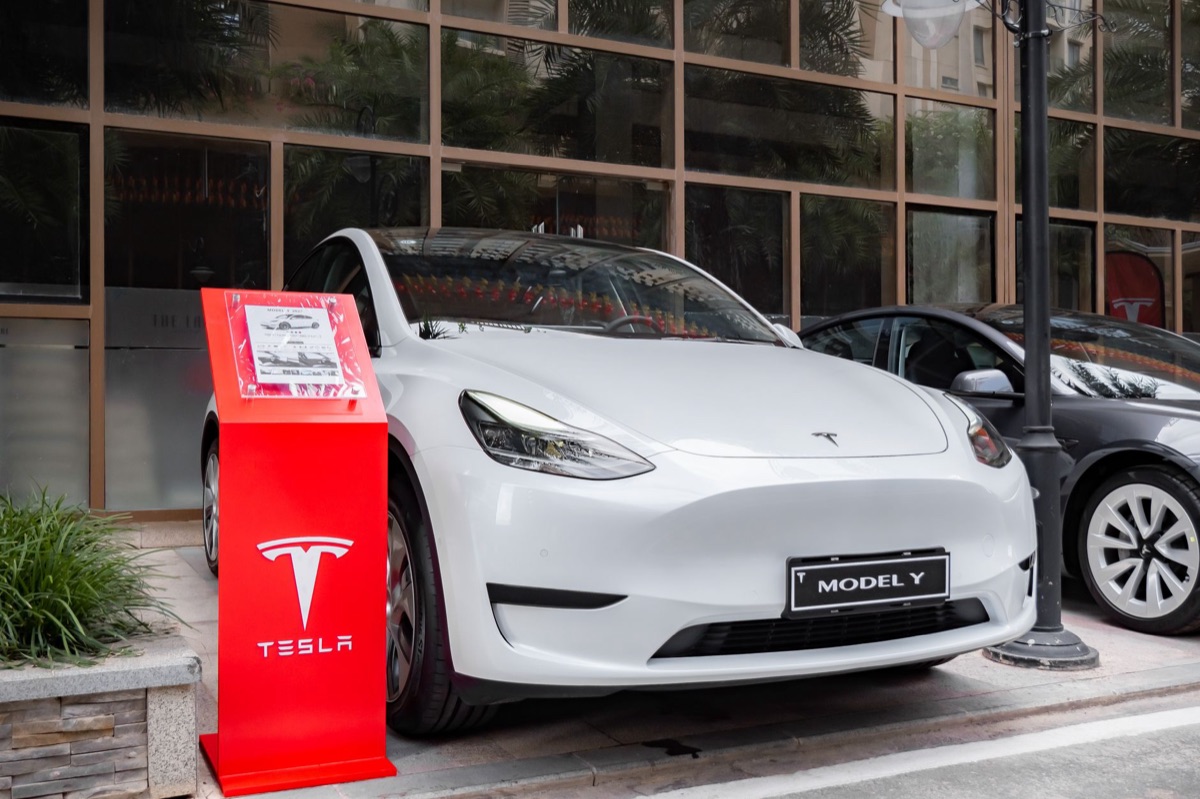
How did the Model Y leverage existing technology to achieve rapid success?
The factory floor in Fremont hummed with a rhythm that felt distinctly different than it did a decade ago. Engineers watched as chassis moved through assembly lines, utilizing components that had already been perfected through years of iterative testing.
According to the National Highway Traffic Safety Administration, the Model 3 received five stars in every category during 2019 crash testing.
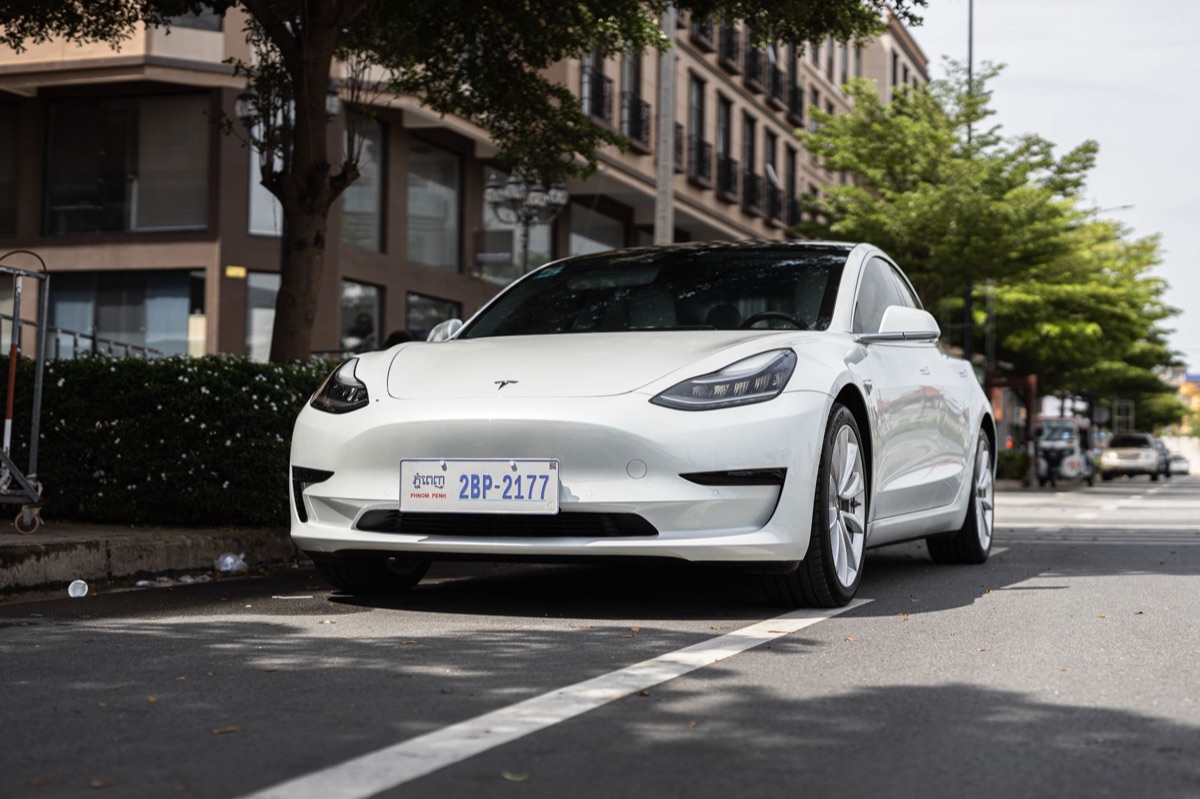
The strategic relationship between the Model 3 and Model Y was the secret to this speed. Because the vehicles share approximately 75% of their content, Tesla was able to scale production at a rate that traditional manufacturers struggled to match.
This commonality allowed for efficient manufacturing processes and a much faster transition from prototype to mass-market availability.
The move from a sedan to a compact crossover SUV was a calculated pivot. While the Model 3 provided the technological groundwork, the higher seating position and cargo versatility of the Model Y tapped into the exact demographic that was driving the global automotive shift.
By using a shared platform, Tesla minimized research and development costs while maximizing the utility of their existing battery and software stacks.
The transition from a low-slung sedan to a versatile SUV format proved to be the winning move for mass adoption. But how does that shared DNA translate to the actual driving experience?
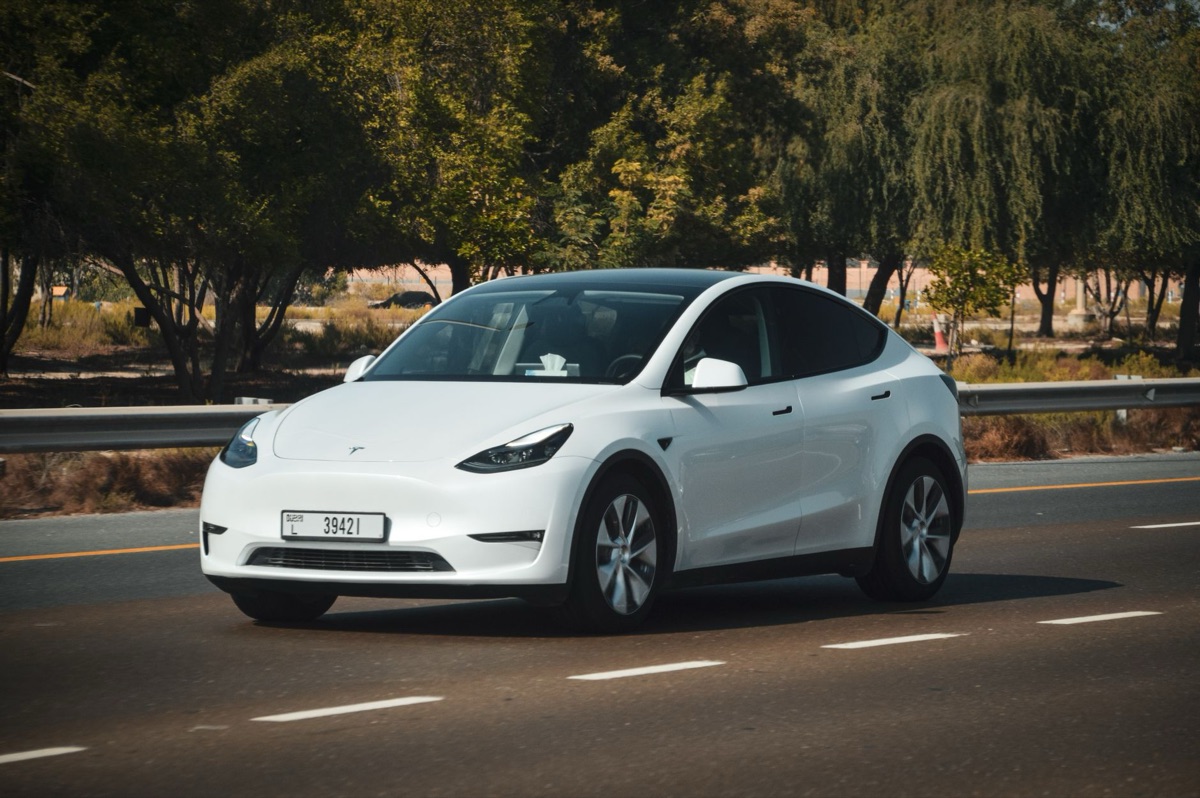
What can the Model Y actually do? A driver pulls out of a suburban driveway at dawn, the silent electric motor providing instant torque as the car glides onto a main road. There is no engine roar, only the smooth, linear surge of power that defines the modern EV experience.
As reported by the National Bureau of Economic Research, the Model Y shares around 75 percent of its content with the Model 3.
The Model Y is offered in three distinct configurations to cater to different driving needs: rear-wheel drive (RWD), dual-motor all-wheel drive (AWD), and a high-performance trimotor all-wheel drive.
This variety ensures that whether a buyer is looking for maximum efficiency or maximum grip, there is a version available.
The range capabilities are a primary selling point for long-distance travelers. Depending on the specific model chosen, EPA range estimates typically fall between 320 and 340 miles. This range is made possible by advanced lithium-ion battery technology that balances energy density with weight.
Because the Model Y fits so seamlessly into the broader Tesla ecosystem—including access to a robust Supercharger network—the "range anxiety" that plagued early adopters has largely vanished for most users.
The versatility of these drivetrains allows the vehicle to perform as both a daily commuter and a capable long-distance traveler. However, the sheer scale of its success also brought unprecedented global scrutiny.
How did the Model Y contribute to Tesla's global market dominance?
The sight of a sea of white and black Teslas in a massive shipping port serves as a visual reminder of a changing world. These vehicles aren't just cars; they are symbols of a massive shift in global manufacturing and consumer preference.
A 2025 working paper from Yale University estimated that the "Musk partisan effect" cost Tesla between 1 and 1.26 million US sales.
The impact of the Model Y on Tesla's market position was immediate and profound. In 2024, the company led the battery electric vehicle market, maintaining a 17.6% share.
This dominance was largely driven by the Model Y's ability to appeal to a broad demographic, making it a high-volume leader that could fund further innovation.
The compact crossover SUV segment became the primary driver for global EV adoption because it hit the "sweet spot" of utility and price. By capturing this segment, Tesla moved from a niche luxury player to a mass-market powerhouse.
This high-volume success allowed for the massive growth seen since 2020, providing the capital necessary to maintain a lead over legacy automakers.
The Model Y's success turned a niche product into a global standard for what a modern electric vehicle should be. But even a standard-setter faces headwinds.
What is threatening Tesla's market position? A news ticker scrolls across a screen in a quiet office, reporting on shifting political winds and fluctuating market numbers. The headlines suggest a world of uncertainty that can change a company's trajectory overnight.
According to the EPA, a Model X may have 70% of its range remaining when pulling a 2,300 lb trailer at certain speeds.
Tesla's market position has not been without turbulence. External factors, including leadership-related "partisan effects," have played a role in shifting consumer sentiment.
A 2025 National Bureau of Economic Research working paper by Yale University economists estimated that the "Musk partisan effect" cost Tesla between 1 and 1.26 million US sales from October 2022 to April 2025.
This highlights how much a brand's identity can be tied to its leadership in the eyes of the public.
The automotive market is also subject to extreme volatility. For instance, the industry saw significant fluctuations such as a 29% drop in UK registrations in December 2025.
Additionally, operational shifts, including a 10% workforce reduction announced in April 2024, reflect the constant balancing act between rapid growth and economic reality.
These pressures intersect with the company's core mission of sustainable energy, creating a complex environment where political and economic headwinds can impact even the most successful products.
Navigating these external pressures requires a delicate balance between corporate vision and market reality.
What is the future outlook for the Model Y and the BEV market?
The sun sets over a highway lined with charging stations, a glimpse into a future where fossil fuels are a memory. The steady hum of electric traffic suggests a permanent change in how the world moves.
The Model Y will likely remain a cornerstone of the EV market for years to come. Its success provides a blueprint for future platforms, emphasizing that efficiency and shared components are the keys to mass-market dominance.
As competition from legacy automakers increases, the Model Y's proven reliability and software integration will be its primary defenses.
The ongoing transition from internal combustion engines to high-efficiency BEVs is still in its middle stages. While the Model Y has set a high bar, the industry will continue to evolve with new battery chemistries and more affordable models.
Balancing production scale with the evolving demands of a global consumer will be the ultimate test for Tesla and its competitors.
The success of the Model Y has fundamentally changed the trajectory of the global automotive industry.
Comparison of Model Y Configurations
| Feature | Rear-Wheel Drive (RWD) | Dual-Motor AWD | Trimotor AWD |
|---|---|---|---|
| Primary Focus | Maximum Efficiency | Balanced Performance | Maximum Performance |
| Drivetrain | Single Motor | Dual Motor | Three Motor |
| Typical Use Case | City Commuting | All-Weather Versatility | Enthusiast Driving |
How to Evaluate a Model Y for Purchase
- Determine Your Range Needs: If most of your driving is local, the RWD model offers the best efficiency. If you frequently travel long distances, look toward the higher-range AWD models.
- Assess All-Weather Requirements: For those living in regions with heavy snow or frequent rain, the dual-motor or trimotor AWD options provide much-needed traction and stability.
- Evaluate Charging Access: Before finalizing a purchase, check the proximity of Tesla Superchargers to your home and frequent travel routes to ensure seamless long-distance travel.
When I first sat in a Model Y during a test drive, the sheer openness of the cabin caught me off guard; it felt less like a car and more like a mobile living space.
However, it is important to note that these benefits are subject to individual driving habits, such as heavy towing or extreme weather, which can significantly alter real-world performance compared to manufacturer estimates.
FAQ
How much of the Model Y is shared with the Model 3? Approximately 75% of its content is shared with the Model 3, which allowed for efficient production scaling.
What are the available drivetrain options for the Model Y? The vehicle is offered in three versions: rear-wheel drive, dual-motor all-wheel drive, and trimotor all-wheel drive.
What is the estimated range for the Model Y? Depending on the specific model chosen, EPA range estimates typically fall between 320 and 340 miles.
Does the Model Y support towing? While the Model Y can be used for light towing, range will decrease significantly under load. For example, pulling a trailer can reduce usable range by a substantial percentage depending on the weight and speed.





Comments 0