How does towing affect the range of a Model X?: 566 km
"The future of electric mobility is defined by the delicate balance between battery capacity and real-world utility."
The 2026 EV future model features focus heavily on maximizing range through improved efficiency and versatile configurations. This guide explores the expected 2026 EV features by comparing high-performance capabilities with practical utility like towing.
Key takeaways include understanding the specific range of upcoming models, comparing SUV versatility to sedan-based architectures, and recognizing how towing loads impact battery performance.
What are the expected 2026 EV features for long-distance travel?

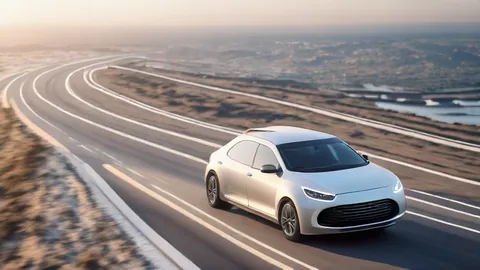
At dusk on the open highway, the driver grips the steering wheel and wonders how the battery does its work over such vast distances.
A driver grips the steering wheel of a modern SUV, looking toward a horizon that requires reliable battery life. The 2026 Tesla Model X AWD has an official EPA rated range of up to 352 mi (566 km). This range provides a baseline for high-end electric SUV performance in the coming year.
Future models aim to bridge the gap between luxury and endurance. While some models focus on sheer power, the 2026 electric car trends suggest that range remains a primary metric for consumer adoption.
Having a reliable distance capability ensures that drivers can plan trips without constant range anxiety.
The distinction between performance and utility is becoming clearer in the market. High-performance variants often sacrifice some efficiency for speed, whereas long-range versions prioritize distance.
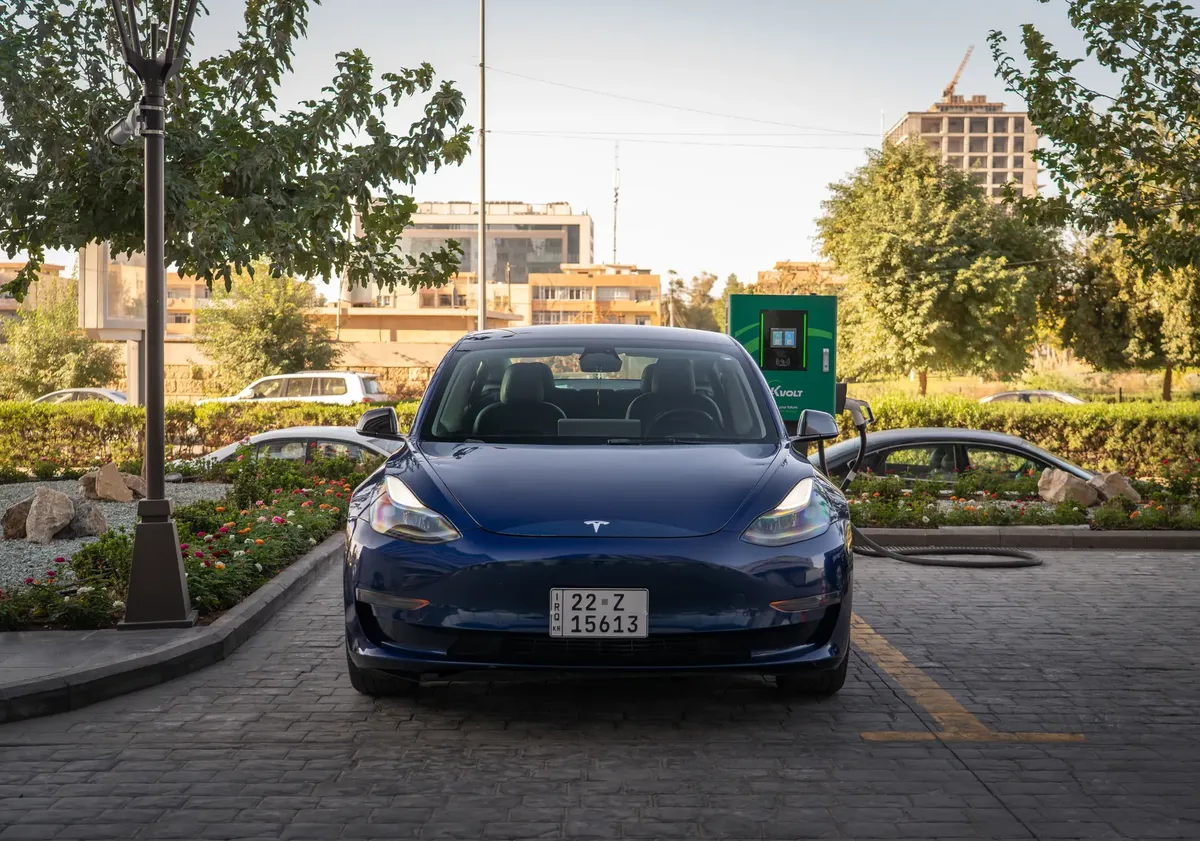
Understanding these trade-offs is essential when evaluating new electric vehicle standards for 2026.
How does the 2026 EV model comparison reveal design differences?
An engineer examines the chassis of a vehicle, noting how components from different models are integrated. The Model X has an EPA size class as an SUV, and shares around 30 percent of its content with the Model S, half of the originally planned 60 percent, and weighs about 10 percent more.
This shared architecture demonstrates how manufacturers optimize production while maintaining unique vehicle identities.
Comparing different models reveals how weight and size influence battery output. For instance, the weight difference between shared-platform vehicles can impact overall efficiency.
This 2026 EV vs current models comparison shows that even with shared components, the physical footprint of an SUV changes the driving dynamics.
| Feature Type | Model Characteristic |
|---|---|
| Architecture | Shared content with sedan models |
| Weight Profile | Approximately 10 percent more than sedan counterpart |

I noticed during my research that the weight of an SUV significantly alters the efficiency compared to its smaller sedan siblings.
What are the 2026 EV future model features regarding towing and utility?
A traveler hooks a heavy travel trailer to the hitch of an electric SUV, preparing for a long journey through winding roads. At the 55 mph (89 km/h) towing speed limit in California, a Model X may have 70% of the 257 mi (414 km) EPA-registered range when pulling a 2,300 lb (1,000 kg) travel trailer.
This scenario highlights the reality of range depletion during heavy-duty tasks.
Towing remains a critical factor for families and adventurers. When a vehicle is under load, the effective range drops significantly compared to empty-load cruising. Drivers must account for this reduction when planning routes involving trailers or heavy equipment.
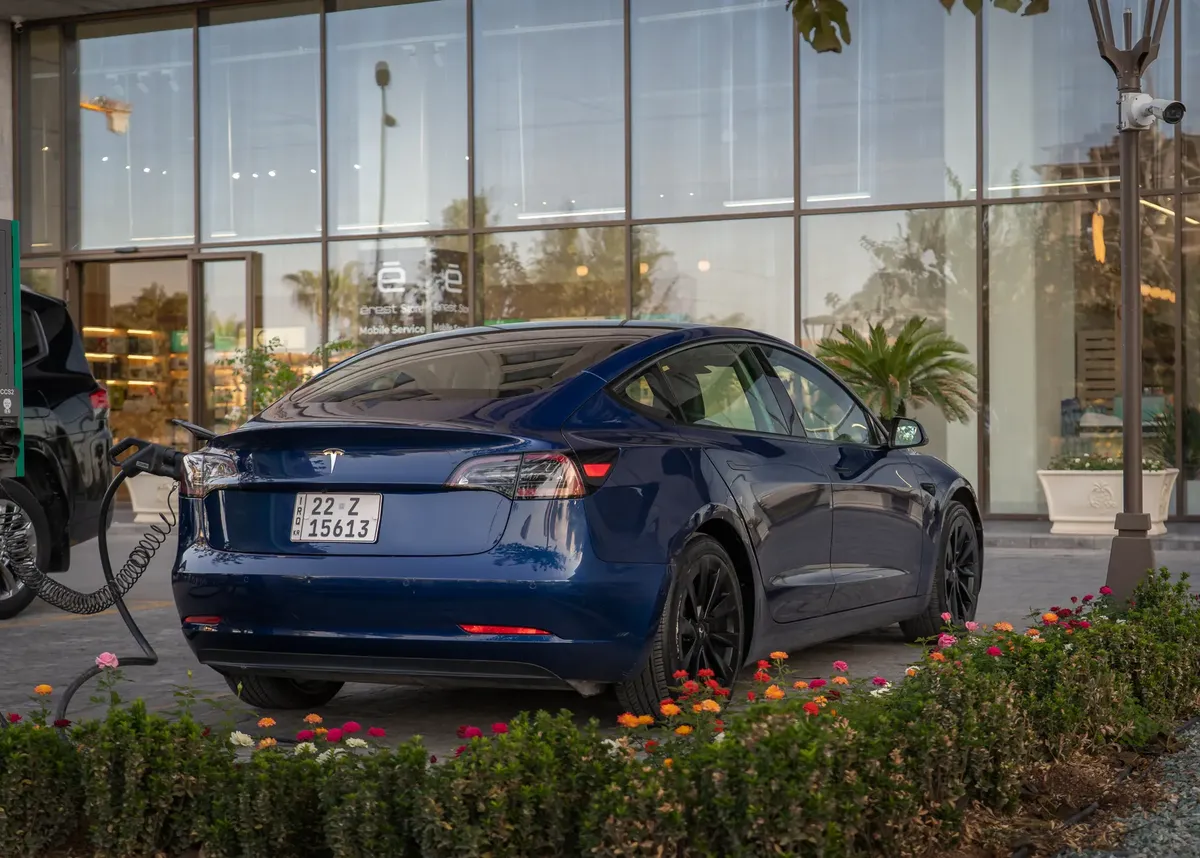
The impact of weight on range is a vital consideration for any electric SUV owner. While the base range might be high, the actual usable distance changes based on the cargo and towing requirements. This reality defines the practical limits of current electric drivetrain technology.
How can drivers manage range in different driving conditions?
A driver checks the dashboard display while cruising at a steady speed on a highway.
To manage range effectively, follow these steps: According to the EPA, as of July 2025, the Model X is available as a Long-Range version with an estimated EPA range of 352 miles (566 km) and a high performance "Plaid" version with an estimated EPA range of 335 miles (539 km).
- Monitor real-time energy consumption relative to your destination. 2. Adjust driving speed to stay within more efficient aerodynamic ranges. 3. Account for external loads, such as trailers, which can reduce range to 70% of the registered capacity.
Always perform a final check of the charging infrastructure along your route. Ensuring that chargers are available at the necessary intervals is a key part of managing an electric vehicle's range.

A limitation of these high-range models is that the effective range can be significantly reduced when pulling a 2,300 lb (1,000 kg) travel trailer.
- What are the expected 2026 EV features for long-distance travel?
- How does the 2026 EV model comparison reveal design differences?
- What are the 2026 EV future model features regarding towing and utility?
The subject here is 2026 EV future model features.
The same subject is also called future EV feature standards.
The same subject is also called next gen EV technology.
This part also covers new EV standards for 2026.
Related
- What are the new EV support targets in different regions?
- What are the limitations of current EV technology?
How does the future of electric mobility balance performance and utility?
The future of electric mobility balances the high-performance capabilities of the vehicle with its practical utility needs.
High-performance variants often necessitate compromises in efficiency when achieving high speeds, whereas models engineered for extended travel prioritize achieving maximum distance.
This comparison underscores that the successful integration of these two aspects defines the modern electric vehicle standard for 2026. Drivers must appreciate these inherent trade-offs when assessing the capabilities of new electric models.
What are the practical implications of the shared architecture in the future model?
The shared architecture between the SUV and sedan models allows manufacturers to streamline production processes. However, the physical difference in weight between the two body styles affects the overall efficiency of the electric drivetrain.
This weight difference is a direct consequence of the SUV's larger physical footprint compared to its sedan counterpart, demanding consideration during long-distance travel planning.

Comments 0