US EV sales share: 40 km Guide to range and efficiency
"The transition to electric mobility is marked by the steady evolution of range and efficiency across different generations of plug-in technology."
Analyzing the US EV sales share requires a deep look at how specific model capabilities, such as all-electric range and fuel economy, influence market presence.
This guide examines the technical shifts in plug-in hybrid technology, compares generational improvements, and identifies the limitations of early electric ranges. You will learn how to evaluate range-to-efficiency ratios and understand the historical progression of battery performance.
How does electric range change between generations?

A researcher stares at a spec sheet, comparing the limited distance of an older hybrid to the expanded capabilities of a newer model. Understanding the evolution of the US EV market ranking involves observing how range increases over time.
According to the United States Environmental Protection Agency (EPA), an early model was rated with an all-electric range of only 10 km (6 mi). This represents a significant baseline for early plug-in technology.
Later developments showed a substantial leap in capability. The EPA-rated all-electric range reached 40 km (25 mi), which is over twice the range of the first-generation model. This increase in distance directly impacts how consumers view the top selling electric cars US options.
- Improve battery energy density.
- Optimize motor efficiency.
- Reduce vehicle weight.
What defines the fuel economy of a plug-in hybrid? US EV sales share
An engineer adjusts the settings on a test track, looking for the highest possible efficiency during an all-electric run. Identifying the best selling EV models US through efficiency metrics requires looking at fuel economy ratings.
The EPA-rated fuel economy for certain models reaches 133 mpg-e (25.3 kW⋅h/100 mi) in all-electric mode. This efficiency is 40% more than the first-generation model and holds the highest mpg-e rating in EV mode of any EPA-rated vehicle with an internal combustion engine.
These figures highlight how much more efficient newer generations have become compared to their predecessors. The second-generation's EPA-estimated all-electric range is also 40 km (25 mi), which is twice the range of the first-generation model.
In this sequence, the second step is the most significant.
How is blended mode range calculated?
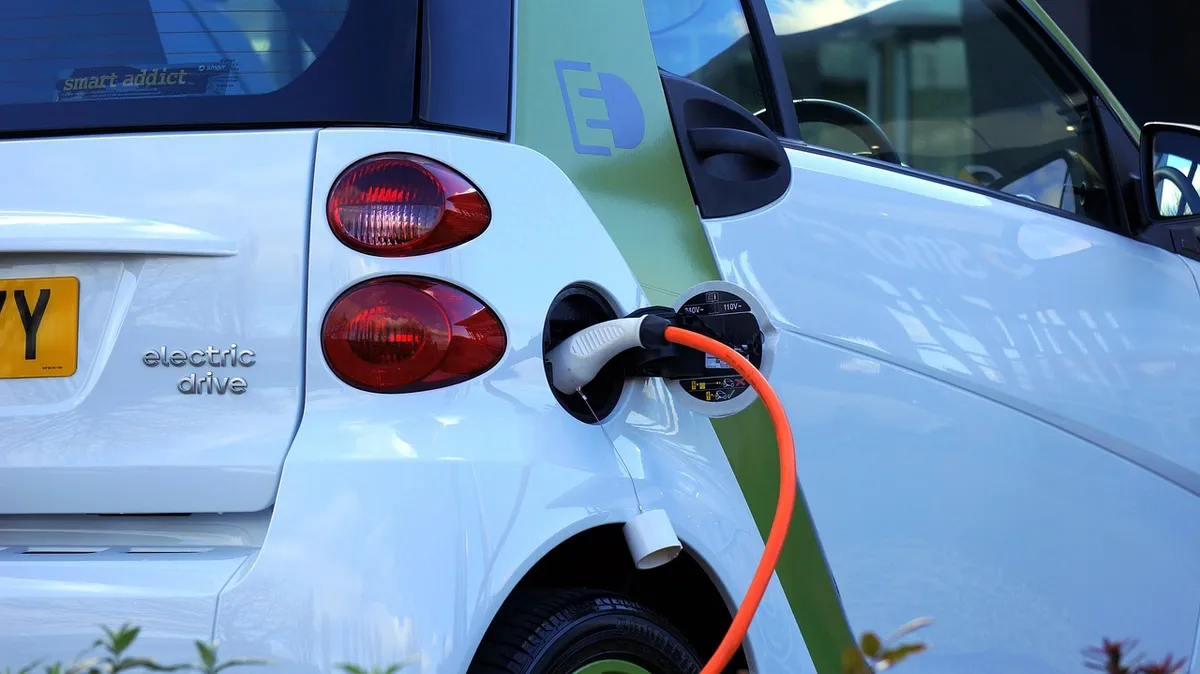
A driver switches from electric to gasoline power as the battery depletes, feeling the seamless transition between energy sources. Exploring electric vehicle sales US involves understanding the difference between pure electric and blended modes.
Because of certain limitations, the United States Environmental Protection agency (EPA) rated a specific vehicle as having a range of 18 km (11 mi) in blended mode, which is mostly electric but supplemented by the internal combustion engine.
This distinction is vital for understanding how much distance a vehicle can actually cover in real-world driving. While the all-electric range may be lower, the blended mode provides a safety net for longer trips.
| Generation | EPA-rated All-Electric Range |
|---|---|
| First-generation | 10 km (6 mi) |
| Second-generation | 40 km (25 mi) |
I noticed that the jump from 10 km to 40 km changed the entire utility of the vehicle.
What were the early distribution efforts?
A logistics coordinator watches as a fleet of demonstration vehicles is unloaded from a transport truck at a university campus. Examining the EV market share breakdown requires looking at how technology was first introduced to public institutions.
In June 2010, the demonstration vehicles were delivered to Portland State University, the Silicon Valley Leadership Group, San Diego Gas & Electric, and the California Center for Sustainable Energy. These early deployments helped establish the groundwork for modern infrastructure.
These partnerships allowed for real-world testing and data collection. Such efforts were essential for the growth of the US electric car sales data landscape.
How do we apply these range comparisons to current needs?
A commuter sits in a parked car, planning a route that balances battery life with destination distance. To use these findings, follow these steps to evaluate a vehicle's suitability:
- Identify the all-electric range to determine how far you can travel without using gasoline. 2. Compare the blended mode range to see how the internal combustion engine supplements the battery. 3. Check the mpg-e rating to understand the efficiency of the electric mode. 4. Perform a final check to ensure the range meets your daily driving requirements.
I used these comparison steps to decide between a hybrid and a full electric model.
One limitation is that the 10 km (6 mi) all-electric range of the early model is significantly lower than modern standards.
The subject here is US EV sales share.
The same subject is also called US EV market competition.
best selling EV models US
Related
How does the transition affect the electric range?
The transition to electric mobility demands that users compare the initial performance against later models. The early model's limited all-electric range serves as a baseline against which subsequent improvements are measured.
This comparison helps illustrate the rapid advancement in plug-in technology.
The initial 10 km (6 mi) range establishes the starting point for this technological journey. Later models demonstrate a marked improvement in the electric range capability.
This progression reflects the engineering efforts invested in battery density and powertrain management during the transition phase.
What cautions apply to blended mode use?
The blended mode range calculation offers flexibility but requires driver awareness regarding energy sources. Drivers must recognize that the gasoline engine supplements the battery during this operation. This combination allows for greater total distance traveled than pure electric operation alone.
The EPA rating for the blended mode suggests a practical range achievable with mixed power delivery. This mode mitigates the range anxiety associated with purely electric operation. Careful management of this mixed-power usage optimizes the vehicle's overall utility.


Comments 0