How regional markets affect EV market future outlook
"The future of the electric vehicle market is being shaped by shifting regulations, changing consumer habits, and evolving infrastructure."
The global electric vehicle market future outlook is defined by a steady rise in adoption and significant regulatory shifts. This guide explores how sales trends and regional policies drive this transition, while highlighting the role of tax incentives and emission standards.
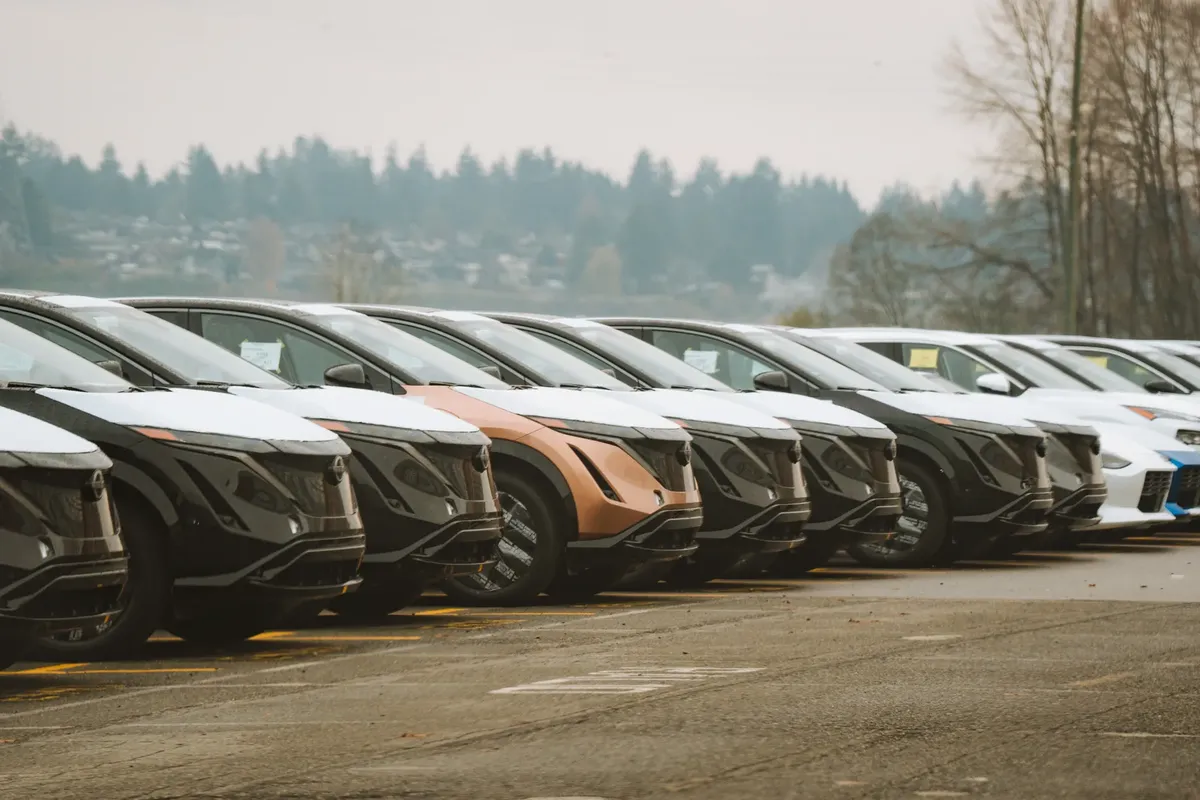
Key takeaways include: 1. Market share has seen a significant upward trajectory, reaching a record 9.1% in 2023. * Regional regulations, particularly in California, act as a primary driver for national adoption rates. 2. Federal incentives historically played a crucial role in fueling early sales volume.
How did the electric car sales forecast evolve?
Standing in a quiet showroom, the lack of engine hum highlights the transition toward electric mobility. The market share of plug-in electric passenger cars increased from 0.14% in 2011 to 0.66% in 2015, then to 1.13% in 2017.
Growth continued to 2.1% in 2018, followed by a slight decline to 1.9% in 2019, before rising to 2.2% in 2020 and 4.0% in 2021.
The momentum accelerated further in 2022 with a 6.8% share, eventually achieving a record 9.1% in 2023. This trajectory illustrates a clear global EV market trend toward mainstream acceptance.
The data shows that despite minor fluctuations, the expansion of the plug-in fleet has been consistent over the last decade.
What is the future EV sales volume looking like? EV market future outlook
As the sun sets over the highway, I grip the steering wheel tightly, anticipating the surge of the regional market expansion.
A driver pulls out of a driveway, the silent acceleration reflecting a new era of transportation. Looking ahead, California's zero-emission (ZEV) regulations are anticipated to result in 1.5 million electric vehicles on the road by 2025.
This represents an estimated 15% sales of the total state market in 2025.
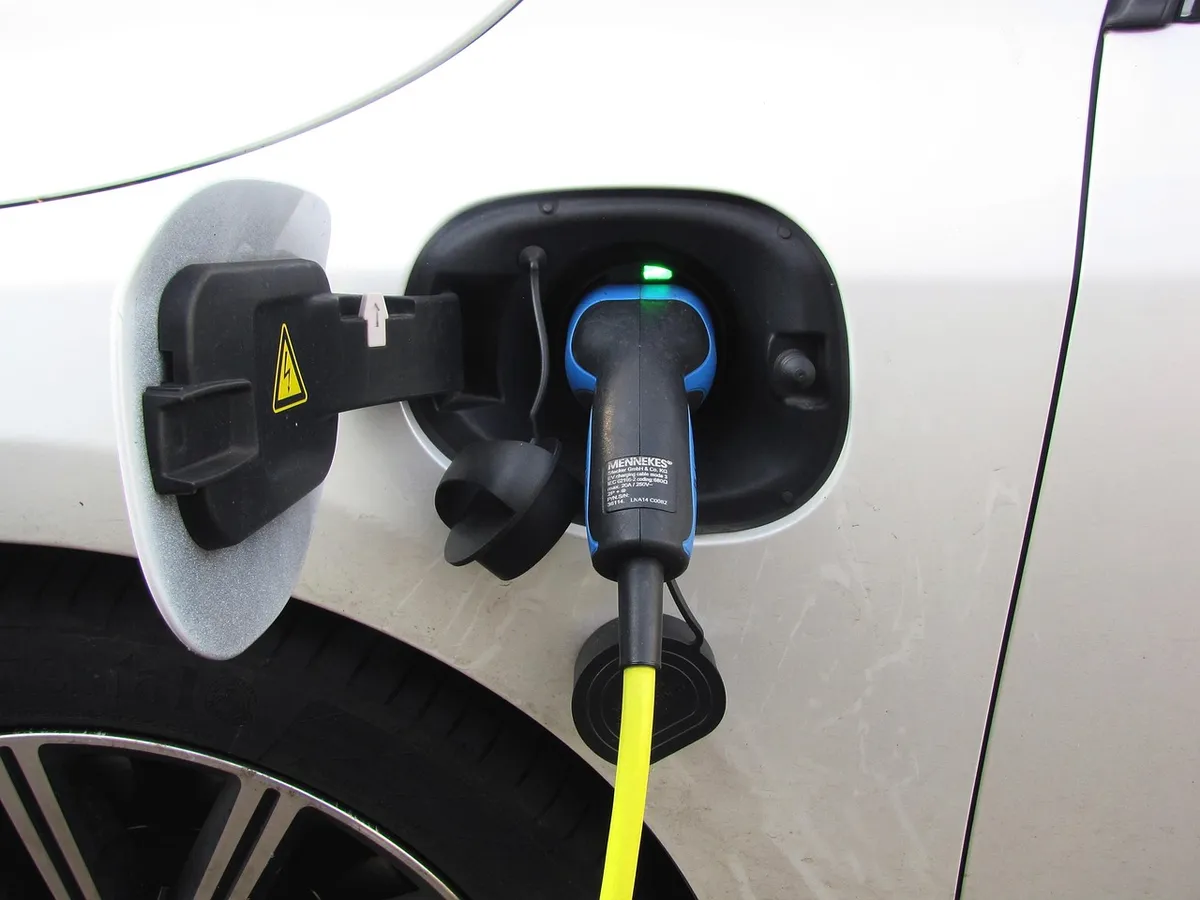
Furthermore, California's mixed incentives mean the state aims to reach 40% of electric vehicle sales in the entire U.S. This level of regional influence shapes the broader future electric vehicle market.
Such aggressive targets suggest that regional leadership will continue to dictate the pace of the national transition.
How do regional markets influence the global EV market trend?
While staring at the glowing map in the dark office, I realize how a single regional market can ripple across the entire globe.
A traveler checks a map, noticing how different regions dominate the charging landscape. The American stock represented 20% of the global plug-in car fleet in use by the end of 2019. Historically, the world's largest stocks were in China at 47% and Europe at 25%, leaving the U.S. in third place.
Within the United States, California remains the largest regional market. By November 2021, the state had 1 million plug-in cars registered, accounting for 46% of the national stock.
This concentration of vehicles demonstrates how specific geographic hubs can lead the way for the rest of the country.
How have incentives shaped the electric car sales forecast?
A customer reviews a contract, considering how tax breaks affect their purchase decision. A 2016 study conducted by researchers from the University of California, Davis found that the federal tax credit was the reason behind more than 30% of the plug-in electric sales.
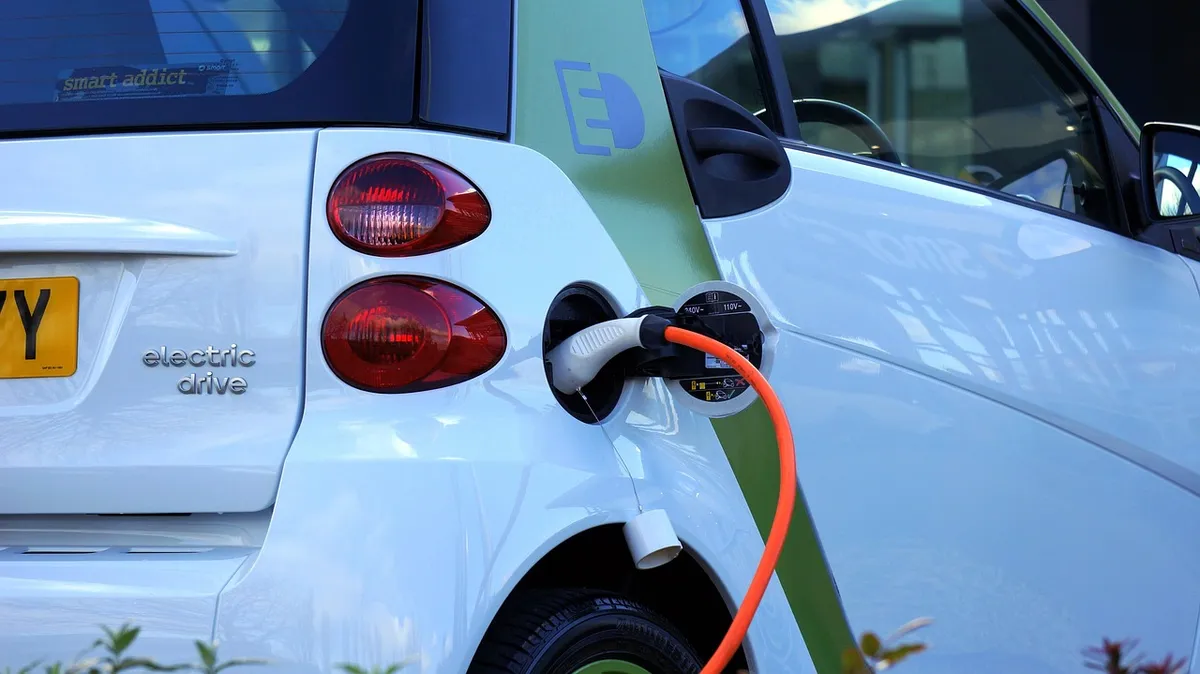
The impact of the federal tax incentive is even higher among owners of the Nissan Leaf, with up to 49% of sales attributable to the federal incentive. These figures show how policy-driven financial relief has historically anchored the market.
Understanding these historical drivers is essential for predicting future EV market projection 2025 results.
How do emissions standards affect the transition?
An inspector checks a vehicle's tailpipe, noting the shift toward cleaner energy.
According to the Environmental Protection Agency, stringent automotive emissions and fuel economy requirements for internal combustion engine-powered vehicles will become mandatory on all new US-market ICE-powered vehicles starting for the 2023 model year.
According to the National Highway Traffic Safety Administration, all hybrids and EVs must emit artificial noise when idling, accelerating to 19 mph (30 km/h) or going in reverse by September 2019 due to the low noise typical of electric vehicles at low speeds.
The US Environmental Protection Agency also unveiled stringent automotive emissions and fuel economy requirements for internal combustion engine-powered vehicles that will become mandatory on all new US-market ICE-powered vehicles starting for the 2023 model year.
These requirements push manufacturers toward electrification to meet tightening standards. While the transition is driven by many factors, the regulatory pressure on internal combustion engines remains a constant force. This creates a structural necessity for the growth of electric mobility.
What are the specific market growth figures?

A salesperson points to a growth chart on a tablet, showing the climb in adoption. To understand the scale of recent growth, we can compare the total sales volume to the historical market share.
| Year | Market Share |
|---|---|
| 2022 | 6.8% |
| 2023 | 9.1% |
I noted that the jump from 2022 to 2023 represents a significant acceleration in consumer adoption. This comparison highlights the increasing momentum of the plug-in sector.
- How did the electric car sales forecast evolve?
- What is the future EV sales volume looking like?
- How do regional markets influence the global EV market trend?
The subject here is EV market future outlook.
This part also covers global EV sales prediction.
This part also covers yearly EV sales data.
Related
- Guide: EV Mandate Policy Impact 29.1% Tax Benefits
- US EV sales share: 40 km Guide to range and efficiency
How does the future of the electric vehicle market depend on infrastructure?
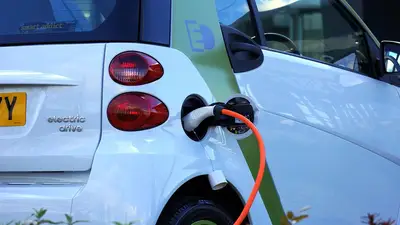
The infrastructure supporting the electric vehicle market is undergoing parallel development with the vehicles themselves. The successful scaling of the market relies heavily on the deployment of charging networks capable of supporting increased adoption rates.
This infrastructure must evolve alongside the vehicle technology to ensure smooth consumer transition into the electric era.
What drives the need for infrastructure evolution?
Consumer adoption rates, as shown by the rising market share figures, place increasing strain on existing fueling paradigms. The shift toward electric mobility necessitates a corresponding shift in the charging infrastructure to match the growing number of plug-in vehicles on the road.
This synchronization between vehicle availability and charging availability is critical for sustained growth in the future market.
What is the role of policy in driving the future of the electric vehicle market?
Policy decisions, particularly those at the regional level, serve as powerful catalysts for the entire market transition. Specific regional mandates, such as those in California, set paces that influence the national trajectory of electric vehicle adoption.
These policies provide the necessary framework for the market to move beyond niche acceptance toward mainstream viability.




Comments 0