BEV types and BEV PHEV guide to electric mobility
"The transition to electric mobility is not a single path, but a spectrum of technologies designed to meet different driving needs and infrastructure levels."
Electric vehicles are categorized by how they use electricity and internal combustion to move. This guide explores the technical distinctions between Battery Electric Vehicles (BEVs) and Plug-in Hybrid Electric Vehicles (PHEVs) to help you understand their operational differences.
* BEVs rely solely on battery power for propulsion. * PHEVs combine battery power with an internal combustion engine. * Regulatory frameworks often distinguish these based on range and engine use. * The global market for plug-in models has seen rapid expansion.
What defines a Battery Electric Vehicle?

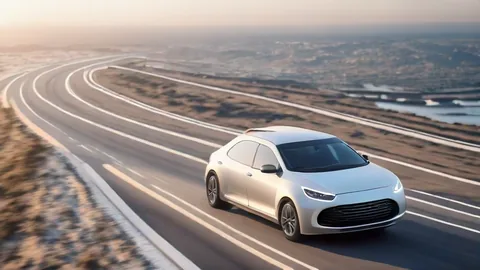
At dawn, I grip the steering wheel and feel the silent surge of power as I explore these new types of propulsion.
A silent electric motor hums to life as a driver pulls away from a curb without a single drop of fuel. This pure electric propulsion defines the Battery Electric Vehicle, or BEV, which uses only electricity stored in a large battery pack to drive the wheels.
The primary characteristic of a BEV is the absence of an internal combustion engine. Because they do not rely on liquid fuel, these vehicles require robust charging infrastructure to manage range requirements. This technological focus makes them a distinct category from all hybrid models.
In some regions, regulatory bodies have worked to define these specific roles.
For instance, the California Air Resources Board (CARB) created the BEVx designation in 2012 as the only major regulatory framework to formally distinguish extended-range electric vehicles from conventional PHEVs, treating them instead as a subcategory of battery electric vehicle.
How do PHEVs differ from BEVs? EV types and BEV PHEV
A driver switches from silent electric mode to the sound of a combustion engine when the battery levels drop during a long trip. This transition is the hallmark of a Plug-in Hybrid Electric Vehicle (PHEV), which utilizes both an electric motor and a gasoline engine.
PHEVs serve as a bridge between traditional hybrids and pure electric cars. They allow for short-distance electric-only driving while providing the engine as a backup for longer journeys. This dual-system approach aims to mitigate range anxiety common in early electric adoption.
The technological landscape for these vehicles has evolved significantly over time.
The dual-system approach of the PHEV allows the vehicle to operate in multiple modes, which is the mechanism used to mitigate range anxiety.
The ability to switch from silent electric mode to the sound of a combustion engine is the defining operational characteristic of the Plug-in Hybrid Electric Vehicle.
What are the technical routes for electric mobility?
Engineers debate whether to focus on pure battery power or hybrid systems during the initial design phase. This debate often centers on whether to prioritize pure efficiency or versatile range through different technical routes.
According to the Norwegian Electric Vehicle Association, if the country wants to reach the ambitious climate goals set by the Parliament, the next goal is to have 400,000 battery electric vehicles by 2020.
Different regions have established frameworks to manage these competing technologies.
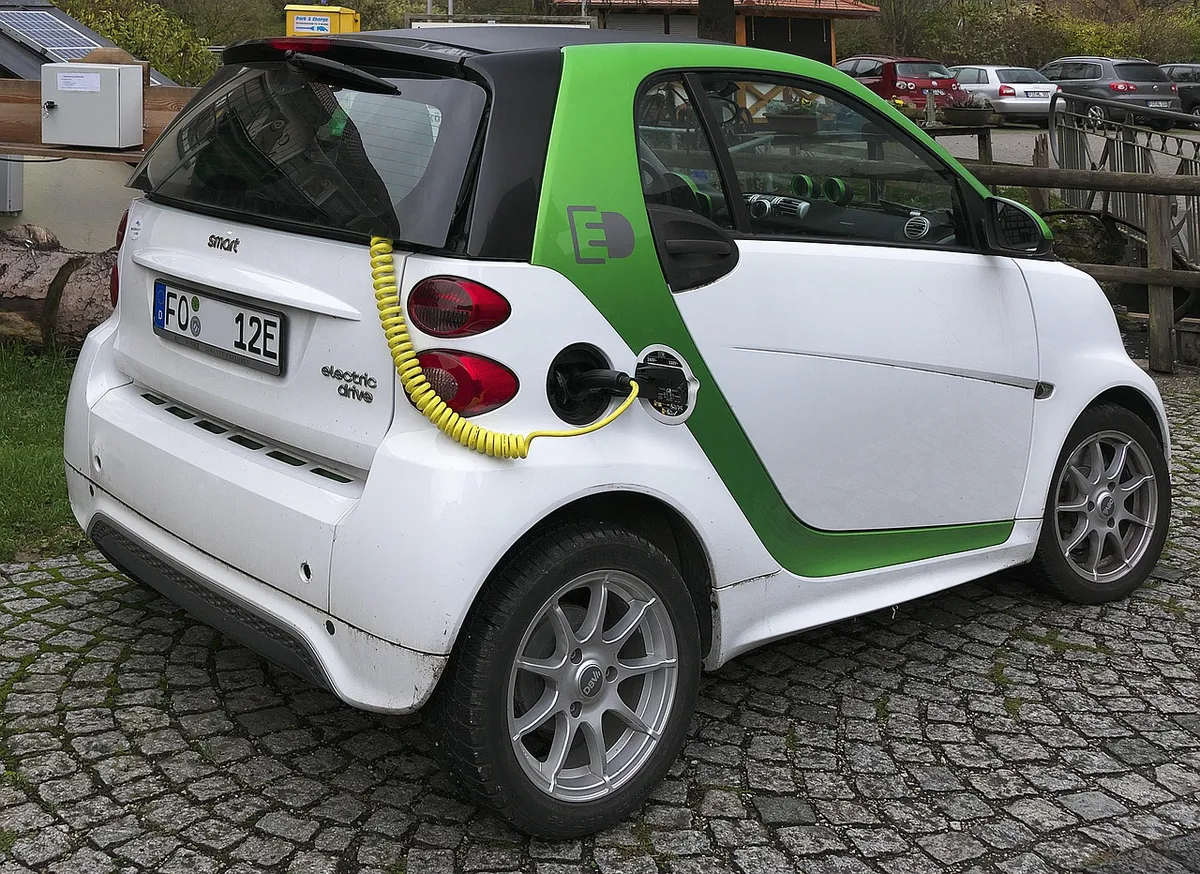
The State Council's 2012 Development Plan for Energy-saving and New Energy Automotive Industry established the framework that continues to govern the sector, treating PHEVs (explicitly including EREVs) as a co-equal technical route alongside BEVs.
These frameworks help manufacturers decide where to allocate research and development. While one route focuses on maximizing battery density, the other focuses on the seamless integration of fuel and electricity.
The framework established by the State Council dictates how the sector is managed, recognizing both BEVs and PHEVs as co-equal technical routes. The decision to prioritize pure efficiency or versatile range dictates the focus of the research and development efforts.
How can we categorize these vehicle types?
A technician reviews a technical manual to ensure the vehicle meets specific classification standards. Categorization depends on the specific combination of battery capacity, motor output, and engine integration.
The following table compares the two primary plug-in technologies based on their core operational structures:
| Feature | BEV (Battery Electric Vehicle) | PHEV (Plug-in Hybrid Electric Vehicle) |
|---|---|---|
| Primary Power Source | Battery/Electric Motor | Battery/Electric Motor + Engine |
| Fuel Requirement | Electricity Only | Electricity and Liquid Fuel |
I noticed during my research that the distinction often hinges on whether the vehicle can operate entirely without gasoline.
The specific combination of battery capacity and motor output determines the operational structure of the vehicle. Engine integration is a key factor in determining whether a vehicle falls into the BEV or PHEV category.
How do regulatory standards impact vehicle design?
A government official reviews a new set of emissions standards to determine which vehicle types qualify for incentives. These standards dictate how much electric range a vehicle must provide to be labeled a certain way.
Regulatory bodies use specific designations to ensure consumers understand what they are buying. Different classifications help prevent confusion between vehicles that are primarily electric and those that rely heavily on an engine.
One limitation is that technical definitions can vary significantly between different international regulatory bodies.
The designations used by regulatory bodies serve to ensure that consumers clearly understand the nature of the vehicle they are purchasing. The variation in technical definitions across international regulatory bodies presents a limitation in the standardization of these vehicle classifications.
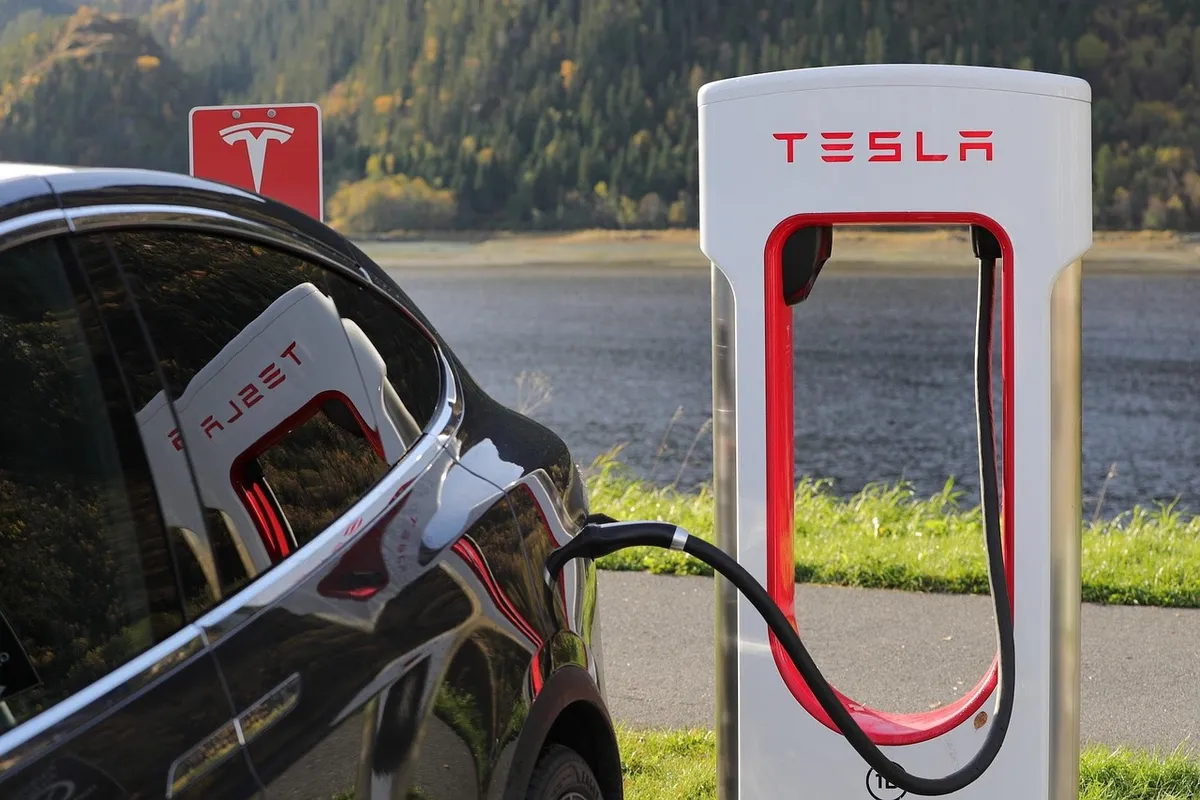
According to Association (Norsk Elbilforening) Conducted A Survey, In June 2013, the Norwegian Electric Vehicle Association (Norsk Elbilforening) conducted a survey among all-electric car owners, with a total of 1,858 respondents, representing over 15% of all the electric car owners in
- What defines a Battery Electric Vehicle?
- How do PHEVs differ from BEVs?
- What are the technical routes for electric mobility?
The subject here is EV types and BEV PHEV.
The same subject is also called Electric car types explained.
The same subject is also called BEV vs PHEV differences.
The same subject is also called How EV types are classified.
The same subject is also called Understanding EV classifications.
This part also covers What is a pure electric vehicle.
This part also covers How plug in hybrid works.
This part also covers Comparing battery electric and hybrid.
What is a pure electric vehicle
Related



Comments 0