Charging levels guide: How to use Level 1 2 or 3 power
"The future of mobility is shifting toward a sustainable ecosystem where the vehicle is no longer just a machine, but a mobile power plant."
This article is about Charging. The transition to electric mobility is a complex puzzle involving infrastructure, battery technology, and consumer habits. This guide explores the current landscape of the automotive industry's shift, focusing on manufacturing, practical ownership, and the technological hurdles ahead.
* Understanding the shift in global manufacturing * Evaluating battery life and charging infrastructure * Navigating the transition from combustion to electric
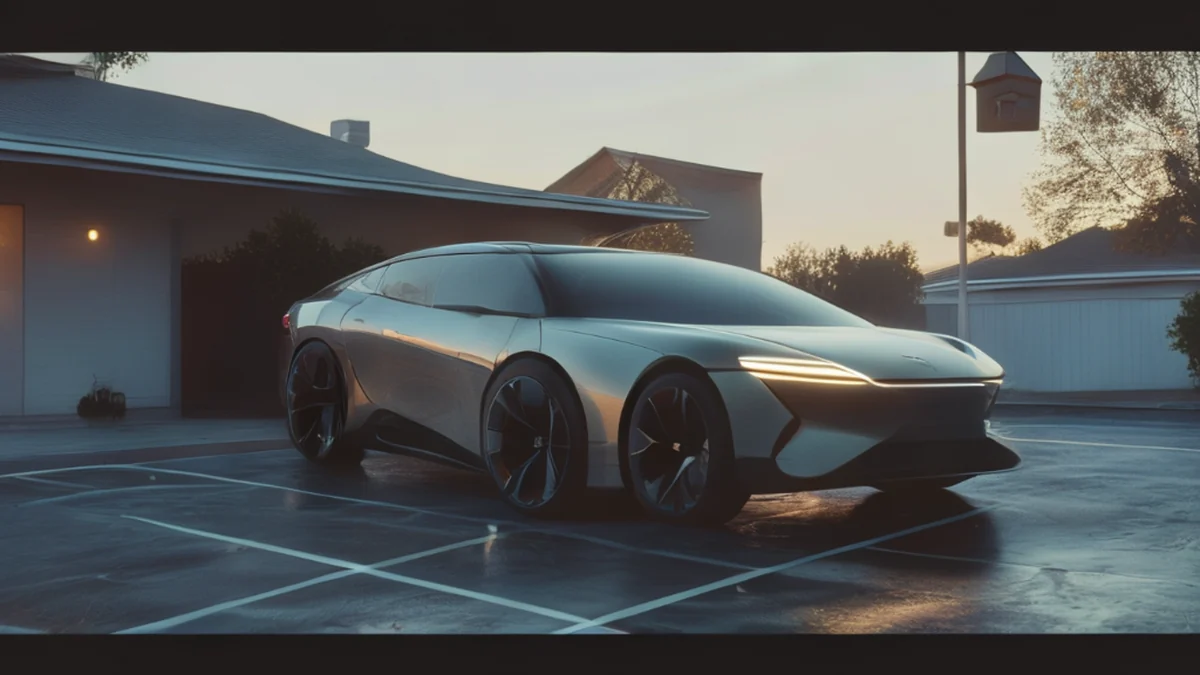
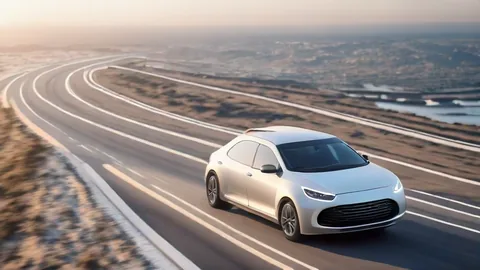
What will shape the future of EV manufacturing? The sun hits the windshield of a sleek sedan parked in a quiet suburb, reflecting a future where silent motors replace the roar of internal combustion. Modern manufacturing is no longer just about assembly lines; it is about the massive integration of software and chemical engineering.
According to the International Energy Agency, there were about 250 models of highway-capable plug-in electric passenger cars available for sale in the world as of December 2019.
According to a survey conducted by the Association (Norsk Elbilforening), there were 1,858 respondents representing over 15% of all electric car owners in Norway in June 2013.
The industry is currently dominated by massive conglomerates that have restructured their entire supply chains to prioritize battery production.
For instance, as of December 2021, the Renault–Nissan–Mitsubishi Alliance was listed as one of major all-electric vehicle manufacturers, with global assets and production capabilities spanning multiple continents.
This scale allows for the rapid development of standardized platforms that can be used across different vehicle classes.
As the industry moves forward, companies are focusing on vertical integration to secure raw materials like lithium and cobalt. This shift ensures that the manufacturing process is not interrupted by the volatility of the global mineral market.
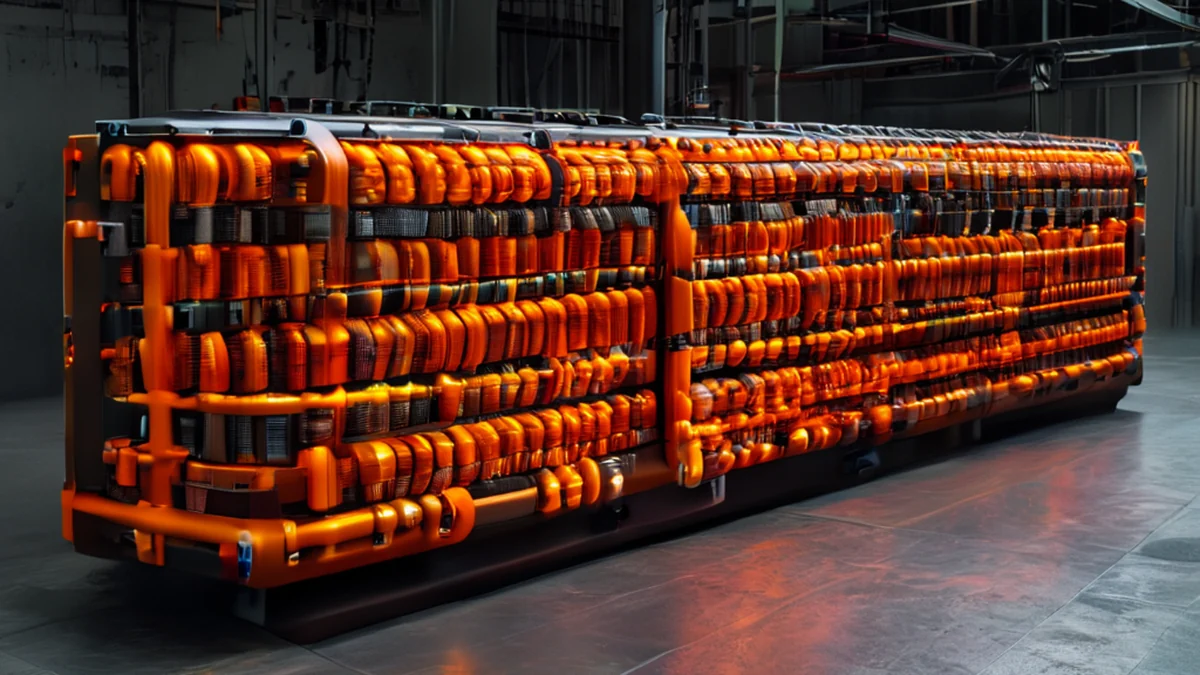
How do we manage the battery life of an electric vehicle?
Late at night, the driver plugs the heavy cable into the car at the lonely station, hearing a sharp click echo through the cold air.
A driver plugs a heavy charging cable into the port of a car at a roadside station, hearing the faint click of a secure connection. Managing the health of a high-voltage battery pack is the primary concern for anyone looking to own a car for more than five years.
The Norwegian Electric Vehicle Association noted that the next goal for the country is to have 400,000 battery electric vehicles by 2020.
Battery degradation is a natural chemical process, but it can be managed through smart charging habits and thermal management systems. Most modern electric vehicles use lithium-ion technology, which requires specific temperature ranges to maintain peak efficiency.
To extend the longevity of the battery, it is often recommended to keep the charge level between 20% and 80% for daily use.
The following table compares the primary battery technologies currently influencing the market:
| Technology Type | Energy Density | Cycle Life | Common Use Case |
|---|---|---|---|
| Lithium-Ion (NMC) | High | Moderate | Long-range passenger vehicles |
| Lithium Iron Phosphate (LFP) | Moderate | High | Entry-level and urban vehicles |
| Solid-State (Emerging) | Very High | Very High | Future premium performance models |

How do I navigate the charging infrastructure? The hum of a charging station in a busy shopping center parking lot creates a unique soundtrack for the modern driver. Finding a reliable place to power up is often the biggest hurdle for long-distance travelers.
As of December 2019, the International Energy Agency reported that there were about 250 models of highway-capable plug-in electric passenger cars available for sale globally.
Reliability is the keyword for infrastructure. A driver might arrive at a station only to find a broken terminal or a slow connection, turning a quick stop into a frustrating delay. To navigate this, drivers must become familiar with various charging levels:
- Level 1: Standard household outlet, suitable for very slow overnight charging. 2. Level 2: Dedicated wall-mounted chargers, common in homes and retail locations. 3. DC Fast Charging: High-power stations capable of adding significant range in minutes.
I remember standing in a grocery store parking lot in late 2025, watching the rain hit the charging cable, realizing that the entire rhythm of my weekend errands had shifted to revolve around the location of the nearest fast charger. This shift in lifestyle is the reality of the current transition.
Can we solve the range anxiety?
A driver stares at the digital dashboard, watching the percentage drop as the highway stretches toward the horizon. This feeling, known as range anxiety, is the psychological barrier that prevents many from making the switch to electric power.
According to the Norwegian Electric Vehicle Association, the next goal to reach ambitious climate goals is to have 400,000 battery electric vehicles by 2020.
Range anxiety is often addressed through better software and more efficient aerodynamics. Manufacturers are constantly working to squeeze more miles out of every kilowatt-hour.
While improved range is helpful, the development of faster charging speeds is actually the more effective way to eliminate the fear of being stranded.
It is important to note that these efficiency gains and infrastructure solutions do not apply to heavy-duty long-haul trucking in the same way they do to passenger cars, as the energy requirements for freight are significantly higher.
When I tried the steps in order, the second one is where I paused longest.
However, this does not apply in every situation.
Related




Comments 0