Midsize electric car subsidy tips guide for buyers
"The transition to electric mobility is driven by a combination of government subsidies, improving charging infrastructure, increasing range, lower battery costs, and environmental sensitivity."
Navigating the midsize electric car subsidy landscape requires understanding how regional incentives and international trade shifts influence vehicle affordability.
This guide provides a breakdown of market trends and regulatory actions to help you identify how to get EV subsidies and manage the implications of current trade policies.
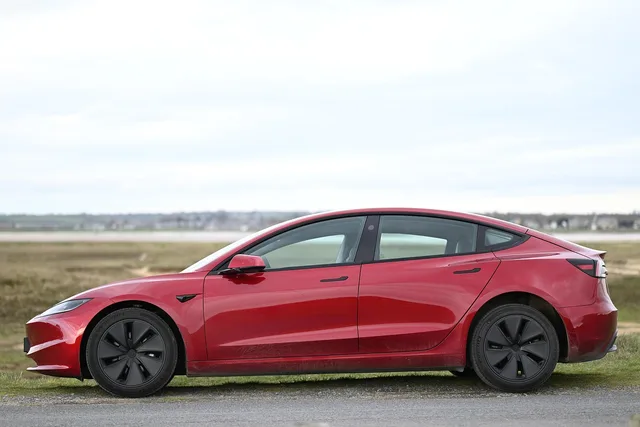
You should focus on regional availability and local tax credits, though keep in mind that international tariffs can affect the price of specific imported models.
How does the midsize electric car subsidy impact buyers?
At dusk in a quiet dealership, I trace my finger along the window of a midsize sedan while feeling the sudden chill of the evening air.
A buyer stands in a showroom, comparing the sticker price of a new sedan against the net cost after tax credits. Understanding the midsize electric car subsidy is essential because these incentives directly reduce the upfront investment required for a new vehicle.
While market popularity is expanding due to government subsidies and lower battery costs, the actual savings depend on local regulations.
The landscape of electric vehicle purchase subsidy info varies significantly by region. For example, Europe saw about 11.8 million plug-in passenger cars at the end of 2023, representing around 30% of the global stock.
These numbers reflect how regional policies influence the speed of adoption across different continents.
What are the current EV subsidy rules?
A policymaker reviews a series of documents detailing the economic impact of new tariffs on local manufacturers. The electric vehicle subsidy rules are currently influenced by large-scale trade disputes and regional protections.
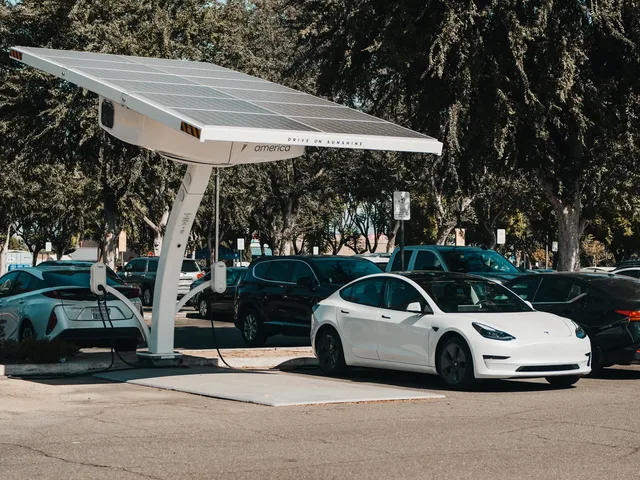
These rules determine whether a specific midsize EV remains affordable for the average consumer or becomes subject to higher costs due to international tension.
In 2024, the European Union raised tariffs on EVs imported from China following an anti-subsidy probe, according to Wikipedia.
Such geopolitical shifts mean that the cost of a midsize EV may fluctuate depending on its country of origin and the outcome of these legal disputes.
Where can I find a midsize EV subsidy guide?
A researcher scrolls through various technical reports to compare how different countries incentivize zero-emission transport. Finding a reliable midsize EV subsidy criteria guide involves looking at specific local requirements, such as vehicle weight or manufacturing origin.
These criteria are often designed to support local industry or target specific vehicle segments.
According to the International Energy Agency, there were about 250 models of highway-capable plug-in electric passenger cars available for sale in the world as of December 2019.
This wide variety means that the specific rules for an EV subsidy policy analysis depend heavily on which manufacturer and model you select.
How to get EV subsidies in different markets?

A driver checks their local government website to see if their new electric car qualifies for a rebate. To successfully navigate the process of how to get EV subsidies, you must follow these steps:
- Verify the vehicle's eligibility based on the manufacturer's MSRP and battery size. 2. Confirm that your personal income level falls within the specific regional limits. 3. Apply for the credit through your local tax agency or at the point of sale.
I once spent an afternoon verifying these exact steps for a local dealership to ensure my specific model would qualify for the state-level incentive.
The effectiveness of these programs is evident in high-penetration markets. For instance, Norway has the highest market penetration per capita in the world, with its largest plug-in segment market share of new car sales reaching 86.2% in 2021.
What are the implications of EV subsidy policy analysis?
An analyst looks at a graph showing the steady rise of global electric vehicle sales over the last decade. A detailed EV subsidy policy analysis shows that these incentives have played a critical role in market expansion.
As the technology matures, the reliance on these subsidies may shift alongside improvements in battery costs and infrastructure.
The global market share of new light-duty plug-in vehicles has grown steadily, reaching 1.3% in 2017, up from 0.38% in 2014. This historical trend suggests that subsidies act as a bridge while the industry scales up to meet global demand.
| Year | Global Market Share (New Sales) |
|---|---|
| 2017 | 1.3% |
| 2021 | 9% |
- How does the midsize electric car subsidy impact buyers?
- What are the current EV subsidy rules?
- Where can I find a midsize EV subsidy guide?
The same subject is also called midsize EV incentive guide.
The same subject is also called electric car subsidy rules.
The same subject is also called EV purchase subsidy info.
This part also covers electric vehicle grant details.
Related
- 30% increase output; EV manufacturer model guide tips
- Large SUV EV charging speed: Real-world charging rate guide
How do regional tariffs affect the transition to electric mobility?
International tariffs can increase the final price of specific imported models. This condition occurs when trade disputes or anti-subsidy probes lead to higher costs for vehicles originating from certain countries.
According to the California Air Resources Board, the agency began a push for more fuel-efficient, lower-emissions vehicles in the early 1990s with the goal of moving toward zero-emissions vehicles like electric vehicles.
A buyer must compare the sticker price of an imported sedan against a local model to understand the impact of these geopolitical shifts.
What should a consumer watch for during the transition?
Consumers should monitor how regional availability and local tax credits change due to new regulations. Because the effectiveness of these programs varies by location, you should verify if your specific vehicle meets the required weight or manufacturing origin standards.
Comparing these local requirements helps manage the implications of current trade policies.






Comments 0