Large SUV EV charging speed: Real-world charging rate guide
"A 350-mile range rating is irrelevant on a road trip if charging stops take 50 minutes each."
Large SUV electric vehicle charging speed varies significantly depending on the electrical architecture and charger availability. Drivers should prioritize vehicles with 800V architecture to ensure rapid energy replenishment during long trips. 1.
Expectations for high-speed DC fast charging can be met by 800V systems. 2. Standard 400V architectures typically require 30–45 minutes for a top-up. 3. * Cold weather can reduce range by up to 40% depending on heat pump usage.
What is the SUV electric charging speed limit?
You grip the heavy cable while plugging it into the large SUV at the station during the afternoon heat.
A driver plugs a heavy cable into a large SUV, watching the screen flicker as power flows into the battery. The actual time spent at the station depends on whether the vehicle uses a 400V or 800V architecture.
According to the California Air Resources Board, the agency began a push for more fuel-efficient, lower-emissions vehicles in the early 1990s with the goal of moving toward zero-emissions vehicles like electric vehicles.
When comparing SUV EV charging speeds, the electrical system is the primary factor. For instance, a 10–80% charge on a 900V architecture takes about 22 minutes, which is faster than the Tesla Model S at a 350 kW charger. In contrast, most 400V competitors need 30–45 minutes for the same top-up.
This difference determines whether a trip feels seamless or interrupted.
How does the charging rate impact a road trip? Large SUV EV charging speed
The sun beats down on a dark parking lot as a driver checks the battery percentage while waiting for the charge to finish. A high-speed charger is only useful if it is functional and compatible with the vehicle's port.
According to the EPA, buyers can expect 361 miles EPA range, 18-minute 10–80% DC fast charging, and the strongest warranty in the mainstream segment.
As reported by the International Energy Agency, there were approximately 250 models of highway-capable plug-in electric passenger cars available for sale globally as of December 2019, an increase from 70 in 2014.
Expectation versus SUV charging reality often diverges when considering network reliability. A 350 kW charger that is offline 20% of the time is worse than a 150 kW network that is always available.
While peak DC fast charge speed is a common marketing metric, the real 10–80% charge time under load is what dictates actual travel time.
How do different architectures compare?
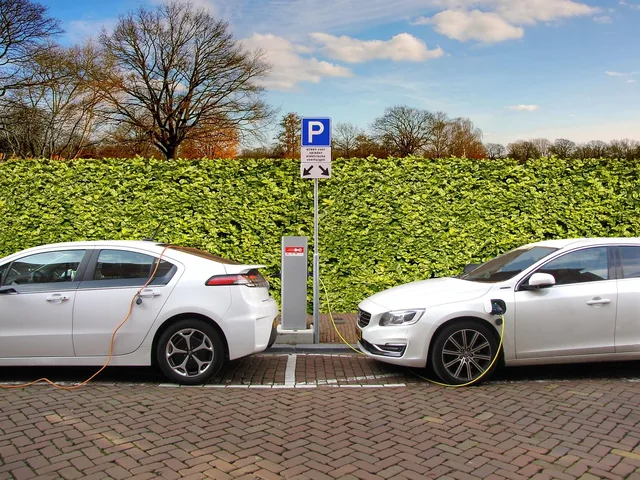
Two vehicles sit side by side at a charging station, one finishing its cycle while the other is still struggling to gain significant percentage. The efficiency of the internal power distribution determines how quickly these heavy vehicles can return to the highway.
| Architecture | 10–80% Charge Time |
|---|---|
| 800V/900V Systems | 18–22 minutes |
| 400V Systems | 30–45 minutes |
I observed how the 800V architecture handles a 10–80% charge in roughly 18 minutes at a 350 kW charger. This speed allows large SUVs to move through charging hubs much more efficiently than older designs.
What affects the actual range of a large SUV?
Wind rushes past the windows of a heavy SUV as it maintains a steady speed on the interstate. The combination of heavy weight and environmental factors determines how much energy remains in the battery.
Large SUV electric vehicle charging speed is often secondary to the concern of how much range is actually available. Real driving—highway speeds, heat or AC running, full load—consistently delivers 8–18% less than the rated capacity.
This means the "SUV electric charge time" must be managed with a buffer for these real-world discrepancies.
How does weather impact charging and range?
Frost covers the windshield of a parked vehicle in the early morning, and the heater begins to blow warm air into the cabin. The battery struggles to maintain thermal stability in the freezing temperatures.
Cold weather is a significant variable that buyers often underestimate. Below 20°F, battery range drops 25–40% without a heat pump, and 15–25% with one, per AAA testing. This reduction in usable energy necessitates more frequent stops, regardless of the vehicle's peak charging rate.
How to optimize charging for a large SUV?
A driver monitors the charging status on a smartphone while preparing to depart for a long trip. Managing the battery state of charge is essential for efficient travel.
To manage your charge effectively, follow these steps: 1. 2. Check charger availability and reliability before relying on high-power stations. 3. Account for temperature-related drops in capacity.
I personally check the charger's uptime before committing to a specific stop on a long route. This ensures the expected charging speed matches the reality of the trip.
The subject here is Large SUV EV charging speed.
The same subject is also called SUV electric charging rate.
The same subject is also called Big SUV power levels.
The same subject is also called EV charging standard SUV.
This part also covers What is the SUV EV charging limit.
Related
- What is the current SUV efficiency analysis?
- Electric SUV Guide: Use V2L Tech for Your Next Camping Trip
Can architecture mitigate range loss?
While an 800V system speeds up the charging process, it does not change the inherent discrepancy between rated capacity and actual highway performance.
Comparing the two systems shows that 800V/900V architectures provide a faster 10–80% charge in roughly 18–22 minutes. In contrast, 400V architectures require 30–45 minutes for the same task. This comparison highlights why 800V systems are preferable for reducing total travel time.
What should a driver consider when planning?
A driver must account for the significant impact of cold weather on the total mileage available. Since temperatures below 20°F can reduce the range by up to 40% without a heat pump, the number of required stops will increase.
- Compare the 800V architecture against 400V systems to determine the time spent at chargers. 2. Evaluate the reliability of the charging network to avoid offline stations. 3. Monitor the battery state of charge to account for temperature-driven range drops.




Comments 0