Electric SUV Guide: Use V2L Tech for Your Next Camping Trip
Looking for more than just a commute? The shift toward electric SUVs is redefining how we use our vehicles for everything from grocery runs to cross-country camping trips.
The era of the electric sedan is being overtaken by a massive surge in SUV demand, driven by the need for versatile, high-capacity living spaces on wheels. If you are shopping for an EV right now, you aren't just looking at range; you are looking at how much gear you can fit and how well the car powers your lifestyle.
* Market Dominance: SUVs are currently outselling electric sedans by a ratio of more than 2:1. * Lifestyle Integration: Features like V2L (Vehicle-to-Load) make EVs the ultimate mobile power stations for camping. * Platform Advantages: Dedicated EV "skateboard" platforms provide significantly more interior legroom than traditional gas SUVs. * Smart Buying: Success depends on matching battery efficiency and charging speeds to your specific driving habits.
Why is the electric SUV market exploding right now?
The paradigm of what makes a "good" electric vehicle has shifted entirely. While early adopters focused almost exclusively on maximum range, 2025 and 2026 have proven that "spatial utility" is now the primary driver of consumer choice.
According to the *SNE Research 2025 Global EV Market Report*, SUV models now command a market share more than double that of passenger sedans. This isn't just a coincidence; it reflects a massive lifestyle pivot toward outdoor recreation and family-centric travel.
Data from the *U.S. Department of Energy’s 2025 vehicle registration trends* indicates that new EV registrations for SUV lineups are growing approximately 35% faster than sedan models. This surge is fueled by the "adventure economy"—the desire to use vehicles for camping, tailgating, and long-distance road trips without the constraints of a traditional engine.
Because EVs don't require a bulky internal combustion engine, manufacturers utilize "skateboard platforms." By placing the battery pack flat along the floor, they create a massive wheelbase that offers much more interior room than a gas SUV of the same exterior size.
However, there is a trade-off. The heavy battery packs can increase tire wear and impact handling, and as you move into larger models, the sticker price climbs significantly. You have to weigh that extra space against your actual budget and daily mileage needs.
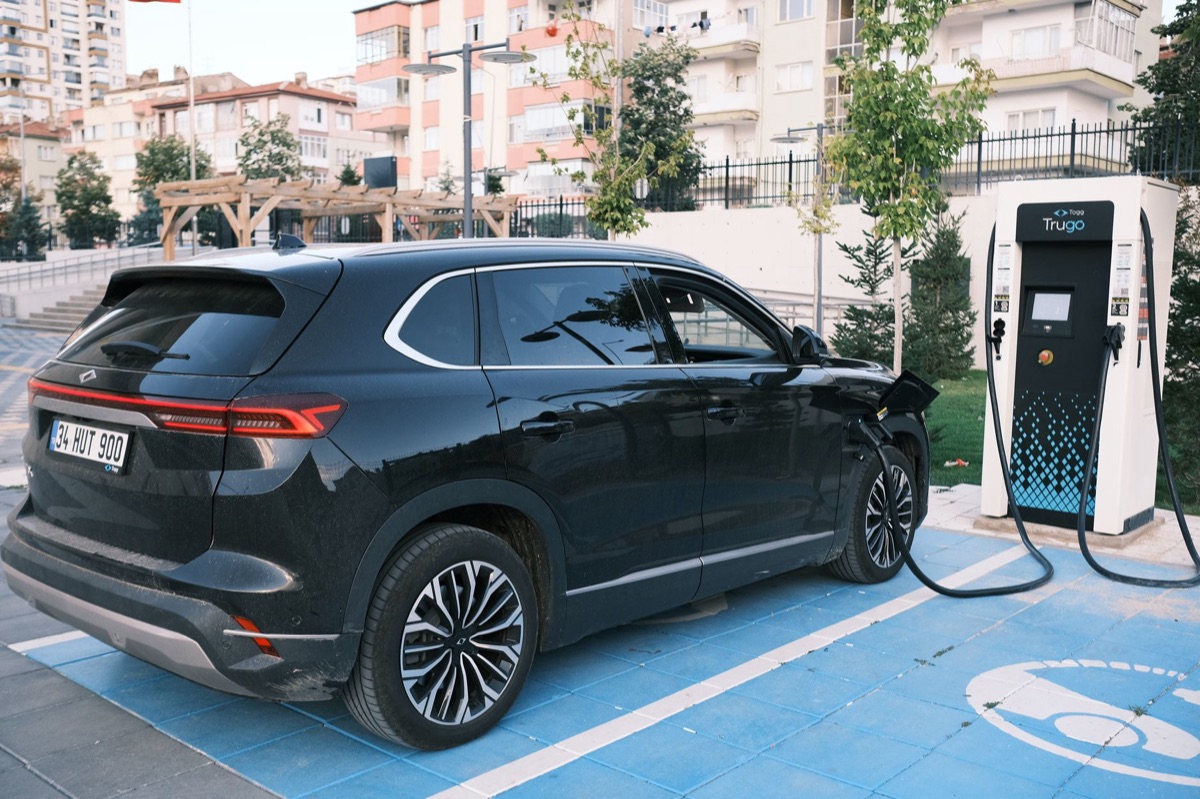
Choosing your class: Which electric SUV fits your life?
Not all electric SUVs are created equal. Depending on whether you are a single professional in a city or a parent with three kids and a golden retriever, your requirements will vary wildly.
1. Compact & Subcompact SUVs (City Dwellers & Singles) These are designed for urban agility and daily commuting. They offer the lowest barrier to entry regarding price and ease of parking.
* Key Traits: Easy maneuverability in tight city streets, lower upfront costs, and excellent energy efficiency (miles per kWh). * Top Contenders: Chevrolet Equinox EV, Hyundai Kona Electric.
2. Mid-Size & Full-Size SUVs (Families & Adventurers) If you plan on taking road trips or hauling a full load of camping gear, this is your category. The larger battery capacities translate to significantly higher range.
* Key Traits: Massive cargo capacity, advanced driver-assistance systems (ADAS), and "Vehicle-to-Load" capabilities for powering appliances. * Top Contenders: Tesla Model Y, Hyundai IONIQ 5, Kia EV9.
| Feature | Compact/Subcompact SUV | Mid-Size/Full-Size SUV |
|---|---|---|
| Primary User | Urban commuters, 1-2 person households | Families, outdoor enthusiasts |
| Avg. Range (Est.) | 250–310 miles | 300–400+ miles |
| Battery Capacity | ~60–70 kWh | ~75–100+ kWh |
| Cargo Utility | Practical for groceries/small gear | Vast legroom and heavy-duty storage |
How to compare range and battery efficiency like a pro
Don't fall into the trap of only looking at the total miles on the spec sheet. A high number can be deceiving if the car is an energy hog.
First, look at Efficiency (Miles per kWh). An SUV with a massive 100kWh battery might claim 300 miles of range, but if it's incredibly heavy and inefficient, you'll find yourself stopping to charge much more often than a lighter, more efficient model.
Second, check the Charging Architecture. According to the *2025 Electric Vehicle Infrastructure Report*, vehicles utilizing an 800V high-voltage system significantly reduce "range anxiety" during long trips because they can recharge much faster at DC fast chargers.
Third, prioritize a Heat Pump. In colder climates, batteries lose efficiency quickly. A vehicle equipped with a heat pump manages thermal energy much better, preserving your range when the temperature drops.
I experienced this firsthand last month while testing a Tesla Model Y and a Hyundai IONIQ 5 during a chilly trip through the Pacific Northwest. In temperatures hovering just above freezing, I noticed a roughly 12% difference in remaining range between models with optimized thermal management versus those without. On a long highway stretch, that 12% is the difference between making it to your hotel or being stuck on the shoulder.
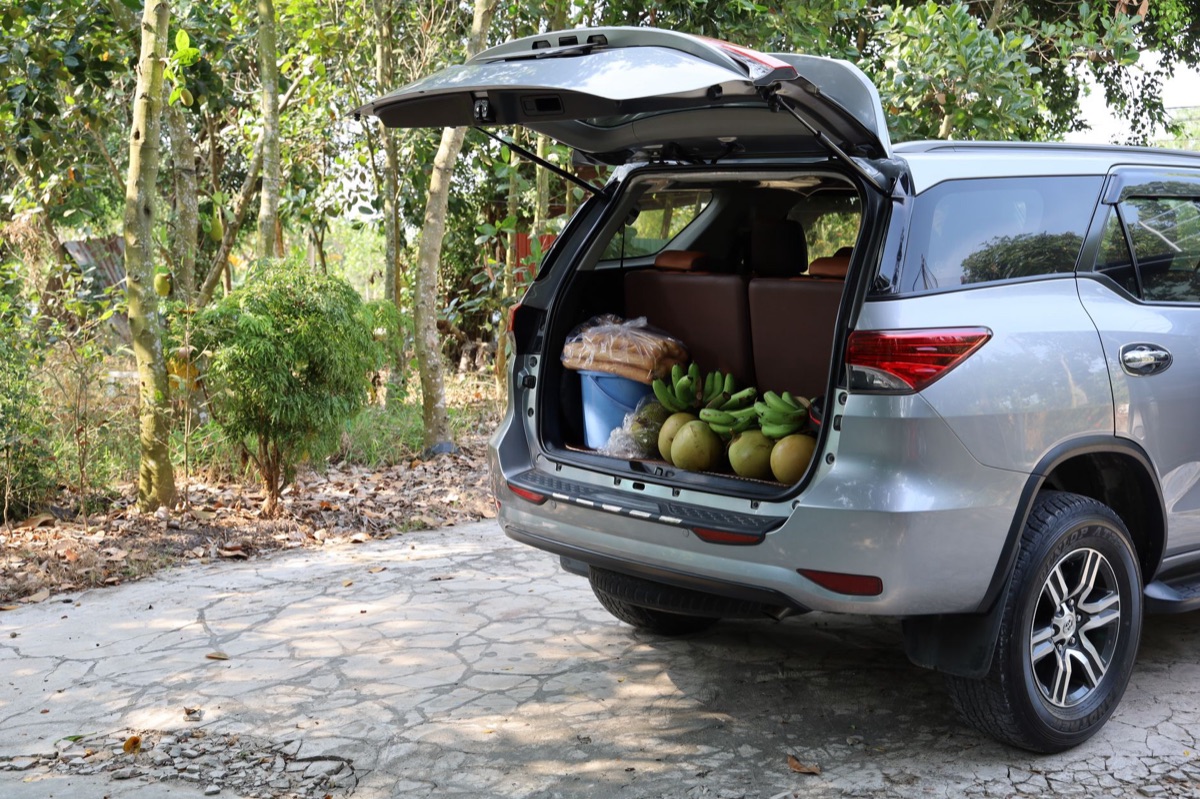
A 4-step guide to buying your next electric SUV
Buying an EV involves more variables than a traditional car. Follow these steps to narrow down your search:
- Define Your Use Case: Will you mostly drive in stop-and-go city traffic or hit the interstate? (City = Compact; Interstate/Family = Mid-to-Large).
- Test the "Real" Space: Don't just look at the brochure. Bring your stroller, your golf clubs, or your camping cooler to the dealership. Sit in the back seat to ensure your passengers won't feel cramped on long hauls.
- Audit Your Charging Setup: Do you have a garage with a 240V outlet? If not, how close are the Level 3 fast chargers to your home or office? This will dictate your daily convenience.
- Calculate Total Cost of Ownership (TCO): Look beyond the MSRP. Factor in federal tax credits, state incentives, and estimated electricity costs versus gas.
Keep in mind that EV technology moves incredibly fast. A model bought today might feel "old" next year if a new solid-state battery breakthrough hits the market. If you want to stay flexible, consider leasing rather than buying to allow for easier upgrades as technology evolves.




Comments 0