EV Purchase Guide: 5 Steps to Choose Your Electric Car
"Is the extra twenty thousand dollars for a luxury badge actually buying you better miles, or just better leather?"
Deciding between a budget-friendly electric vehicle and a high-end premium model often comes down to whether you value raw utility or technological luxury.
While affordable EVs focus on getting you from point A to point B with minimal friction, premium EVs invest heavily in charging speed and advanced software.
* Value Tier: Best for commuters prioritizing low entry costs and essential tech. * Premium Tier: Best for long-distance travelers needing ultra-fast charging and high-performance hardware. * Range Reality: EPA estimates often differ from real-world driving, especially in extreme weather. * Charging Tech: High-voltage architectures (800V) significantly reduce downtime compared to standard systems.

What defines "affordable" vs. "premium" in the EV segment?
You stand in a brightly lit dealership, running your hand over a plain, durable dashboard. The price tag on the window is surprisingly low, making the transition to electric feel attainable for a daily commute.
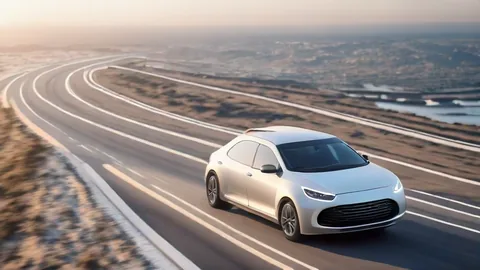
The "affordable" segment generally occupies the space under $40,000, focusing on high-efficiency motors and essential software. These vehicles often use smaller battery packs to keep the weight and cost down, which is ideal for city driving but may limit long-distance capability.
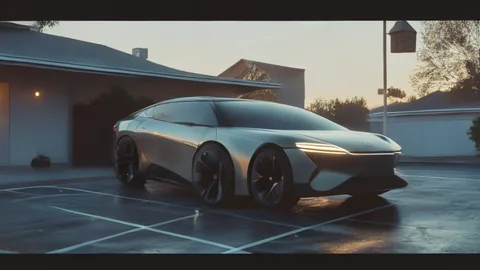
The "premium" segment starts well above $60,000 and focuses on the "experience" of driving. This includes high-performance acceleration, luxury interior materials, and sophisticated driver-assistance suites.
| Feature | Affordable EV Tier | Premium EV Tier |
|---|---|---|
| Typical Price | $25,000 - $40,000 | $65,000+ |
| Primary Focus | Utility & Cost-per-mile | Performance & Luxury |
| Battery Tech | Standard (400V) | High-Voltage (800V) |
| Interior | Durable Synthetics | Premium Leather/Wood/Tech |
| Charging Speed | Moderate | Ultra-Fast |
Why does the range drop so much in the real world?
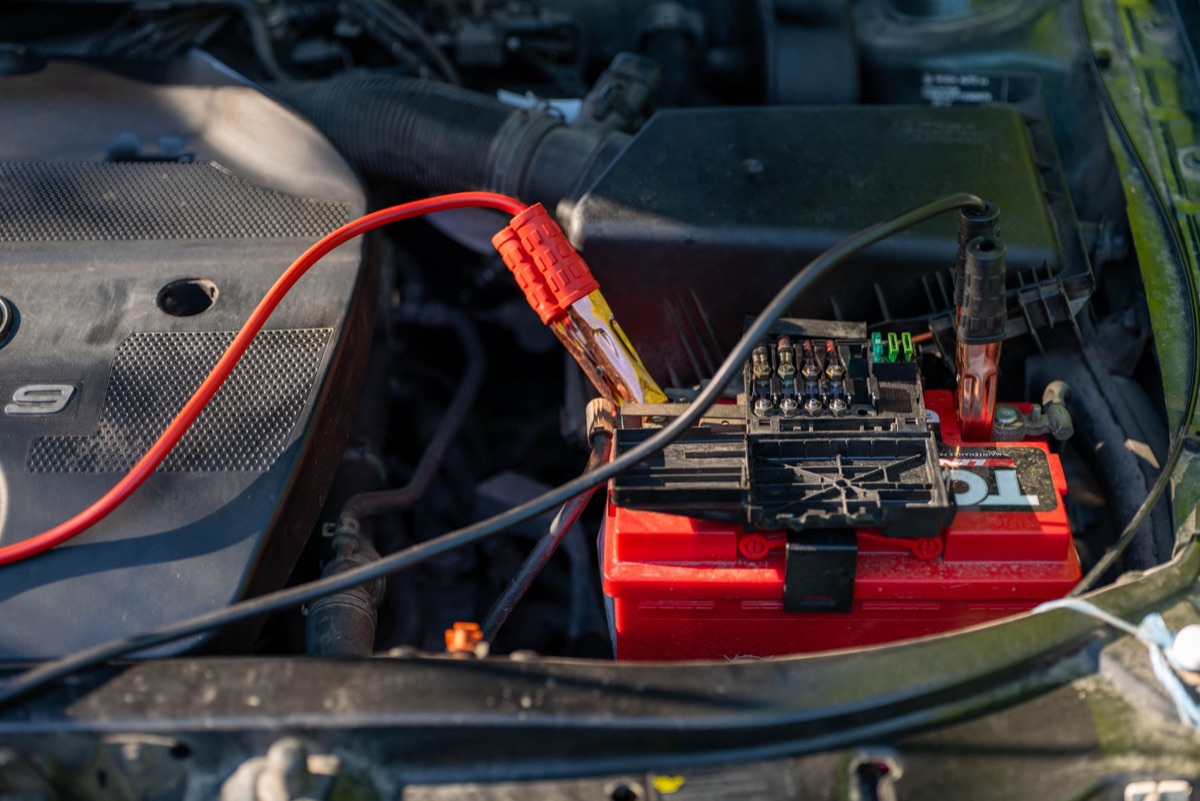
The sun sets behind the highway sign as you watch the digital odometer tick downward. You realize the "estimated range" on your screen is dropping faster than you anticipated because the heater is blasting against the evening chill.
It is vital to understand that EPA range figures are generated under highly controlled laboratory conditions. These tests often assume a steady temperature and minimal wind resistance, which rarely matches a real-world highway trip.
In mixed driving scenarios, you may see a reduction in range of about 8% to 18% compared to those lab estimates. This gap becomes even wider when weather enters the equation.
Cold weather is a significant factor for battery chemistry. Without a heat pump, battery range can drop by as much as 25% to 40% in freezing temperatures. If the vehicle is equipped with a heat pump, that loss is mitigated, typically staying within a 15% to 25% reduction range.
Is the faster charging speed worth the premium price?
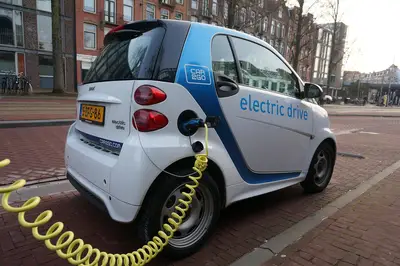
You pull into a rest stop at 10:00 PM, the glowing screen of a charging station the only light in the dark parking lot. You plug in the heavy cable, feeling the slight vibration of the connection, and wait for the percentage to climb.
The biggest differentiator between tiers is often the electrical architecture. Most affordable EVs use a 400-volt system, which is reliable and cost-effective but limits how fast energy can flow into the cells.
Premium EVs frequently utilize 800-volt architectures. This allows for much higher rates of energy intake. For example, some top-tier models can achieve a 10% to 80% charge in just 18 minutes when using a high-output DC fast charger.
However, speed is only as good as the network. A high-performance car is less useful if the local charging infrastructure is unreliable. When choosing a vehicle, consider whether your daily routine relies on slow home charging or frequent high-speed public stops.
What are you actually paying for in high-end tech?
The wind whistles past the window as you merge onto the interstate, the instant torque of the electric motor pinning you back into your seat. It feels effortless, a level of smoothness that distinguishes high-end engineering from standard commuter tools.
While all EVs offer instant torque, premium models refine this sensation. They use sophisticated multi-motor setups to manage traction and power delivery with extreme precision.
The technological gap is also visible in the cockpit. Affordable models often rely on single large touchscreens for almost all functions, including climate control.
Premium models often integrate augmented reality heads-up displays and advanced semi-autonomous driving features that use multiple cameras and radar sensors.
How should you choose your next EV?
You sit at your kitchen table with a laptop open, a half-empty cup of coffee beside you. You have three different tabs open, comparing spreadsheets of battery life, insurance quotes, and monthly payments.
I remember sitting in a mid-range sedan last year and realizing that while the acceleration was fine, the screen lagged every time I tried to adjust the temperature. That small frustration changed how I viewed "value" vs "luxury."
- Calculate your daily mileage: Determine if a smaller, cheaper battery will actually cover your daily needs without anxiety.
- Audit your charging access: If you cannot charge at home, prioritize a vehicle with the fastest possible DC charging speeds.
- Factor in "Total Cost of Ownership": Look beyond the sticker price. Include insurance, which can vary wildly between budget and luxury brands, and expected tire wear.
- Test the software interface: Spend at least 20 minutes in the car to ensure the infotainment system isn't a distraction during driving.
- Check the warranty: Ensure the battery degradation protections meet your long-term ownership goals.
Limits and considerations
This comparison focuses primarily on the passenger vehicle market. It does not account for specialized commercial EVs or heavy-duty electric trucks, which operate under different efficiency profiles.
Furthermore, the "value" of a premium feature is subjective; a high-end sound system may be worth the cost to an audiophile but a waste of money to a commuter.



Comments 0