Top selling US EV models: 25 mi range comparison how
"The evolution of electric mobility reflects a shift from limited experimental runs to highly efficient, high-range systems that redefine daily commuting."
The success of top selling US EV models often hinges on advancements in battery range and fuel efficiency compared to earlier generations.
Key takeaways include the importance of all-electric range improvements, specialized fuel economy ratings, and the strategic deployment of demonstration vehicles to academic and energy institutions.
How do range improvements drive top selling US EV models?
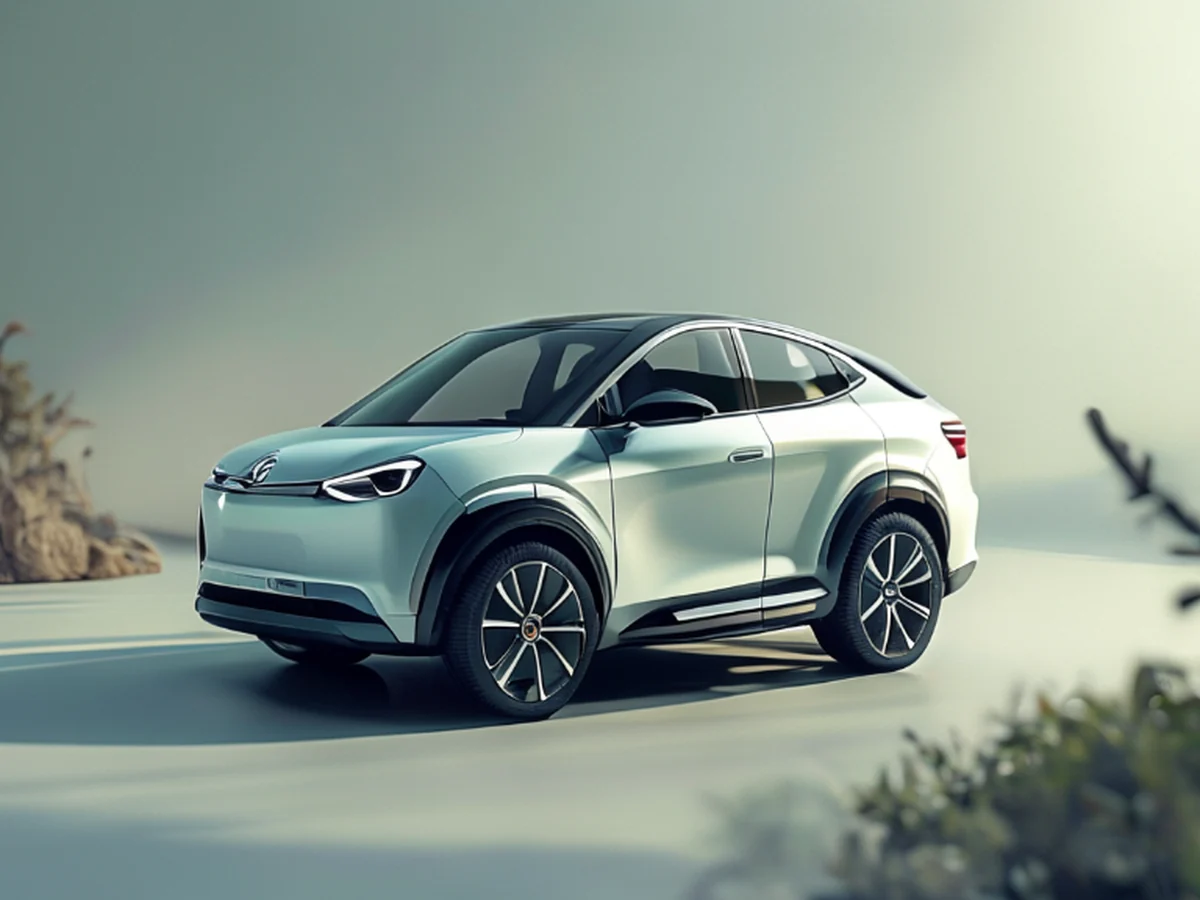
A driver pulls out of a driveway, watching the digital dashboard display the remaining battery life for a morning commute.
For early plug-in hybrid models, the United States Environmental Protection Agency (EPA) rated the vehicle as having a range of 18 km (11 mi) in blended mode, where the electric system is supplemented by an internal combustion engine.
Earlier models faced much tighter constraints, with one version receiving an EPA-rated all-electric range of only 10 km (6 mi). These early limitations meant that drivers had to rely heavily on the gasoline engine almost immediately after departure.
Advancements in battery technology have significantly expanded these capabilities. One specific model features an EPA-rated all-electric range of 40 km (25 mi), which is over twice the range of the first-generation model. This expansion allows for longer commutes without switching to gasoline.
- Increase battery energy density.
- Optimize aerodynamic profiles.
- Enhance power management software.
What defines the best selling electric cars US efficiency?
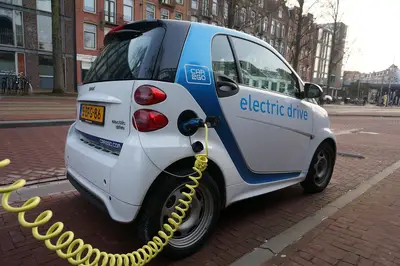
A technician examines a fuel economy readout on a diagnostic screen, noting the high efficiency of a hybrid system. The EPA-rated fuel economy for certain models is 133 mpg-e (25.3 kW·h/100 mi) in all-electric mode. This figure represents 40% more efficiency than the first-generation model.
This specific rating is the highest mpg-e in EV mode of any EPA-rated vehicle with an internal combustion engine. Such high efficiency is a primary driver for consumers looking to maximize every charge.
The second-generation's EPA-estimated all-electric range of 40 km (25 mi) also serves as a key metric. This range is twice that of the first-generation model, proving that iterative improvements in energy density lead to better market adoption.
In this sequence, the second step is the most significant.
Why are EVs selling well in US through strategic deployment?
A group of researchers at a university examines a new vehicle, testing its integration with local power grids.
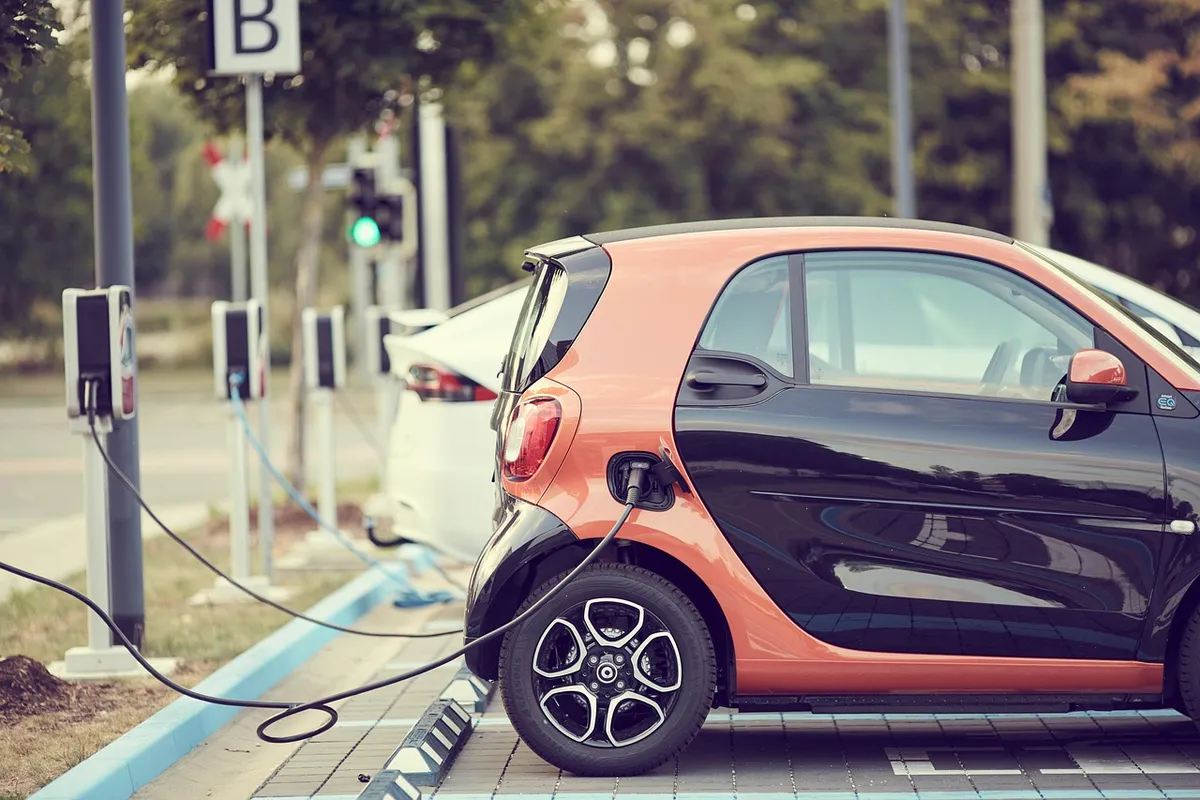
In June 2010, demonstration vehicles were delivered to Portland State University, the Silicon Valley Leadership Group, San Diego Gas & Electric, and the California Center for Sustainable Energy.
These types of deployments help establish the reliability of the technology in real-world settings. By involving academic institutions and utility companies, manufacturers can gather data to refine future models.
Understanding US EV sales success factors requires looking at how these early test cases paved the way for mass production. The transition from small-scale demonstration to widespread consumer use relies on this groundwork of testing and infrastructure.
| Generation | EPA-rated All-Electric Range | Improvement Factor |
|---|---|---|
| First-Generation | 10 km (6 mi) | Baseline |
| Second-Generation | 40 km (25 mi) | Over twice the range |
I looked at the comparison between the 10 km and 40 km range figures to understand how much more practical the newer models became for daily use.
What are the factors driving EV adoption US in different sectors?
An engineer monitors a battery charging station, ensuring the power flow is steady and safe. While passenger vehicles dominate the conversation, the transition involves various types of electric propulsion systems.
The success of top performing electric vehicles often depends on how well they meet the specific needs of the user, whether for city driving or longer trips. For example, some models focus on maximizing the electric-only portion of a journey to reduce fuel costs.
The transition to electric mobility is a gradual process of overcoming range anxiety through better engineering. As battery technology matures, the gap between traditional internal combustion engines and electric powertrains continues to close.
How to evaluate a vehicle's electric capability?
A consumer stands in a showroom, comparing the specifications of two different electric models on a printed sheet. Evaluating a vehicle requires looking at specific EPA ratings to understand real-world utility.
According to the United States Environmental Protection Agency, the vehicle was rated as having a range of 18 km (11 mi) in blended mode, which is mostly electric but supplemented by the internal combustion engine.
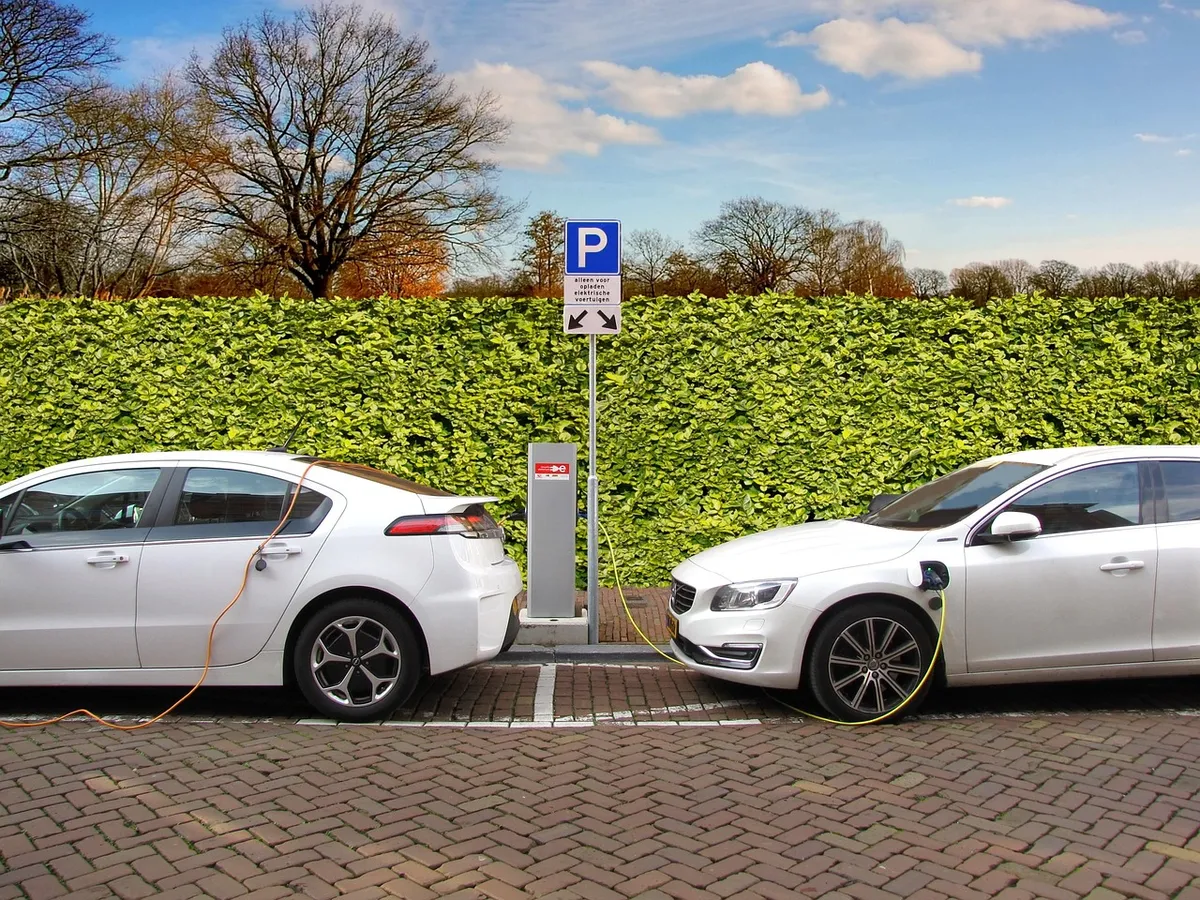
- Check the all-electric range to see how far the vehicle can travel without using gas. 2. Compare the blended mode range to understand the total distance with engine support. 3. Review the mpg-e rating to assess the efficiency of the electric mode.
After checking these three metrics, a final comparison against previous models helps determine the technological leap being made.
The subject here is Top selling US EV models.
The same subject is also called Why are EVs selling well in US?.
This part also covers US market EV trends analysis.
This part also covers Successful electric car models.
Related
How does the evolution of electric mobility compare across generations?
The comparison between the first-generation and second-generation models illustrates the rapid advancement in electric technology. The first-generation model established a baseline with its limited range, whereas the second-generation model demonstrated a substantial leap in capability.
The second-generation's EPA-estimated all-electric range is 40 km (25 mi), which is twice the range of the first-generation model, according to the EPA.
This progression showcases the engineering focus on enhancing practical usability for the consumer.
- The initial model established a baseline range of 10 km (6 mi) in all-electric mode. 2. The subsequent model achieved an all-electric range of 40 km (25 mi), effectively doubling the initial performance metric.
This measurable difference in range highlights the successful application of advancements in battery technology during the evolution of electric mobility.




Comments 0