How do I evaluate an EV range for my lifestyle?: 400 km
"The expansion of electric vehicle models has transformed the market, moving from a handful of options to hundreds of choices globally."
Selecting a vehicle in 2026 requires understanding how different battery technologies meet your daily driving needs. This guide helps you navigate the nuances of extended-range and pure electric models to find the right fit for your lifestyle. 1. Understand the difference between BEVx and conventional PHEVs. 2. Evaluate all-electric range versus total range capability. 3. Identify how charging habits affect fuel-free mileage.
How do I evaluate an EV range guide for my lifestyle?
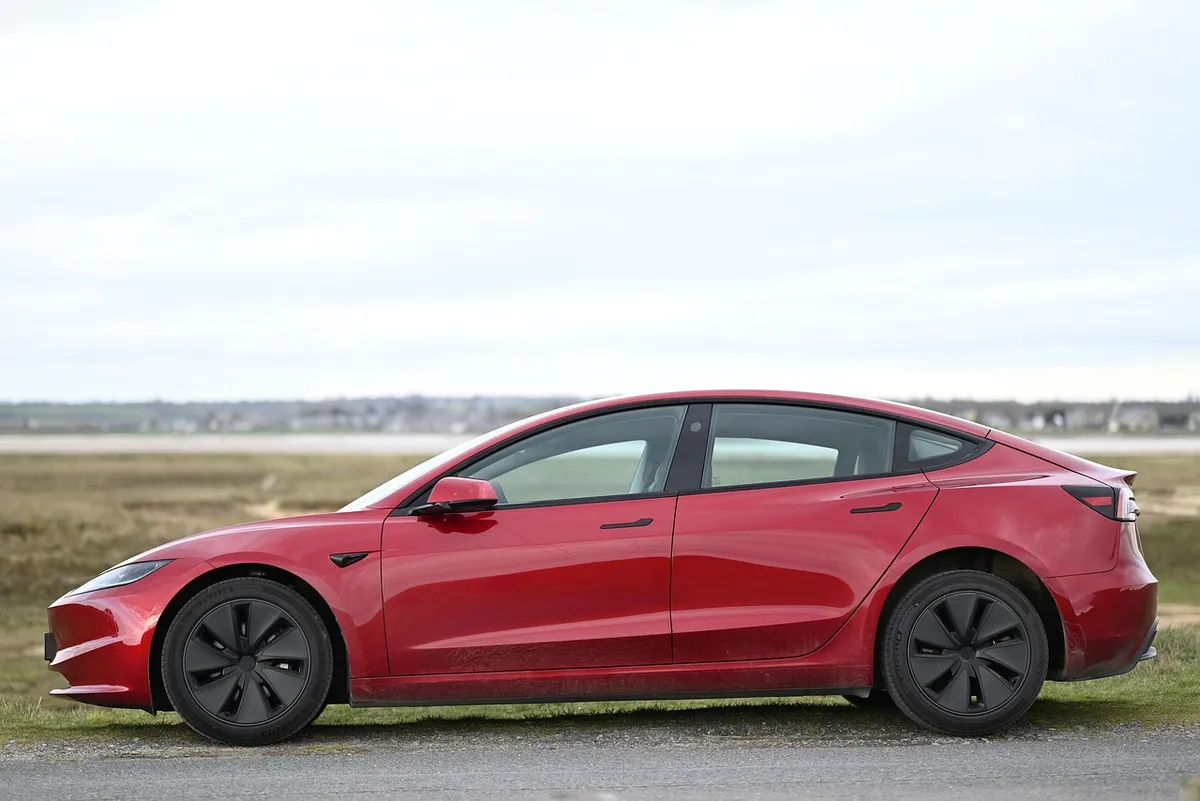
I sit in the driver's seat at dawn, squinting against the bright morning sun as I evaluate the printed range guide on my lap.
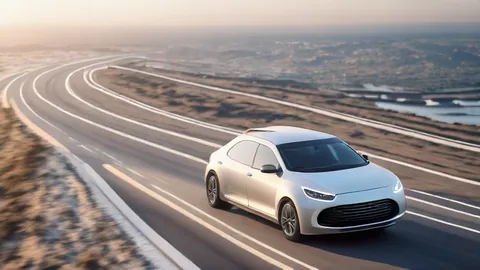
A driver sits in a quiet cabin, watching the digital dashboard display a remaining range of 400 km. This specific 2026 EV range guide focuses on how different battery capacities and hybrid systems change the way we plan trips.
The variety of available models makes selection complex. According to the International Energy Agency, there were about 250 models of highway-capable plug-in electric passenger cars available for sale in the world as of December 2019, a significant increase from the 70 models available in 2014.
This growth means drivers must now distinguish between pure battery electric vehicles and those with range extenders.
Choosing the right technology depends on your specific mileage. For example, some owners who charge regularly typically drive more than 1,560 km (970 mi) between fuel fill-ups.
This suggests that for many, the primary concern is not the total capacity, but how often the vehicle can operate in its electric-only mode.
What are the different types of EV range needs? 2026 EV range guide
A driver pulls into a charging station, plugging a heavy cable into the side of a sleek, modern sedan. Understanding the different categories of electric vehicles is the first step in an EV range needs assessment.
According to the California Air Resources Board, the BEVx designation was created in 2012 as the only major regulatory framework to formally distinguish extended-range electric vehicles from conventional PHEVs, treating them instead as a subcategory of battery electric vehicle.

The California Air Resources Board (CARB) created the BEVx designation in 2012 as the only major regulatory framework to formally distinguish extended-range electric vehicles from conventional PHEVs, treating them instead as a subcategory of battery electric vehicle.
This distinction is vital for buyers looking for specific performance behaviors.
While some vehicles act as pure electrics, others use a generator to maintain charge. For instance, the second-generation Volt offered an all-electric range of approximately 85 km (53 mi) before the 1.5-litre engine engaged as a generator.
Understanding these thresholds helps you predict when a vehicle will switch from electric to hybrid mode.
How can I perform an electric car range check for my daily commute?
A commuter checks their phone app to see if their car has enough charge for the morning trip. An electric car range check involves comparing your daily mileage against the vehicle's all-electric capability.
You can follow these steps to determine if a specific model meets your requirements:
- Calculate your average daily round-trip mileage. 2. Identify the all-electric range of the target vehicle. 3. Compare the two to see how often the engine will engage.
A final check involves considering how often you can access a charger. If your daily commute is 40 km and the car offers a 400 km range on a single charge, the generator will rarely need to engage during typical weekly use.
This makes the vehicle feel like a pure electric car for most of your driving.
What are the new EV range factors to consider?
A driver navigates a winding mountain road, relying on the vehicle's total capacity to reach a distant destination. As technology evolves, new EV range factors like battery chemistry and hybrid integration become more prominent.
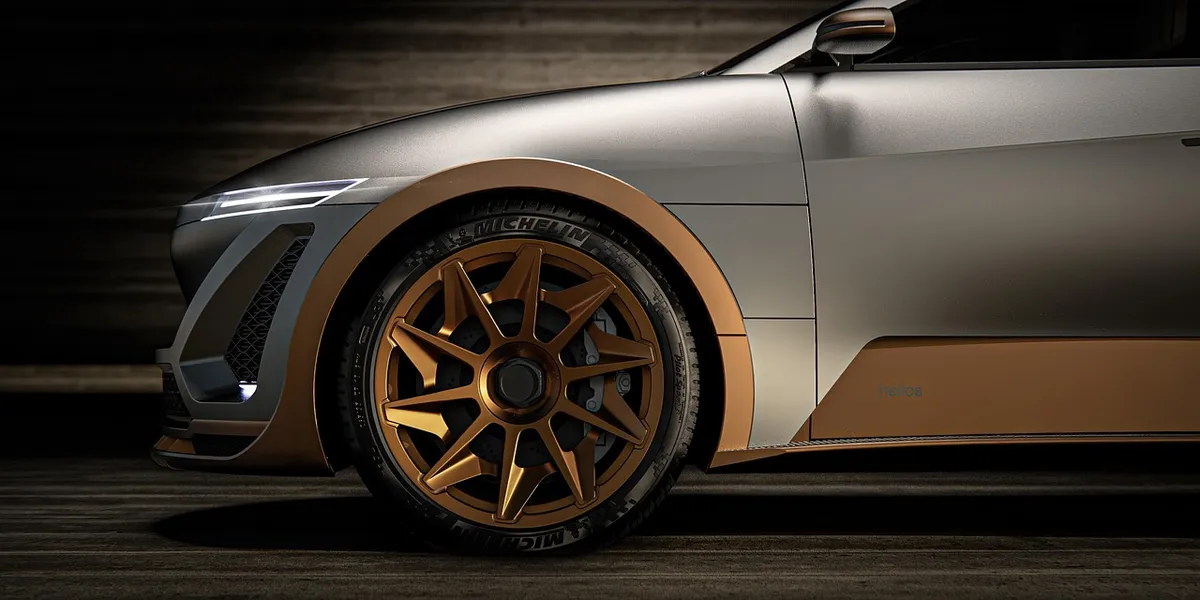
Some specialized batteries are designed to bridge the gap between hybrids and electrics. For example, CATL developed its Freevoy Super Hybrid Battery specifically targeting the EREV and PHEV segments, capable of providing an all-electric range of approximately 400 km on a single charge.
This high capacity reduces the practical need for the generator to engage on typical weekly use.
The market also shows a trend toward premium technology. Over 60% of 2024 EREV sales in China came from vehicles priced above RMB 250,000 (approximately USD 34,000), reflecting the technology's concentration in large, premium models marketed on total range and technology content.
How much range is enough for choosing EV based on range?
A traveler looks at a map, plotting a long journey across several states. When choosing EV based on range, you must balance the all-electric capability with the total range provided by a generator or fuel.
Consider these two comparison points for different vehicle types:
| Vehicle Type | All-Electric Range Example | Total Range/Feature |
|---|---|---|
| Second-gen Volt | 85 km (53 mi) | 1.5-litre engine engaged as generator |
| Freevoy Super Hybrid | 400 km | Reduces need for generator engagement |
I found that comparing these specific numbers helps clarify whether a car will feel like an EV or a gas-powered vehicle during a typical week. While a high all-electric range is great, the total range provides the necessary safety net for longer trips.
What are the limitations of range-focused buying?
A driver waits at a charging pole, noticing the limited number of available plugs in a crowded lot. A limitation to this type of planning is that regional infrastructure and specific vehicle designs can impact real-world results.
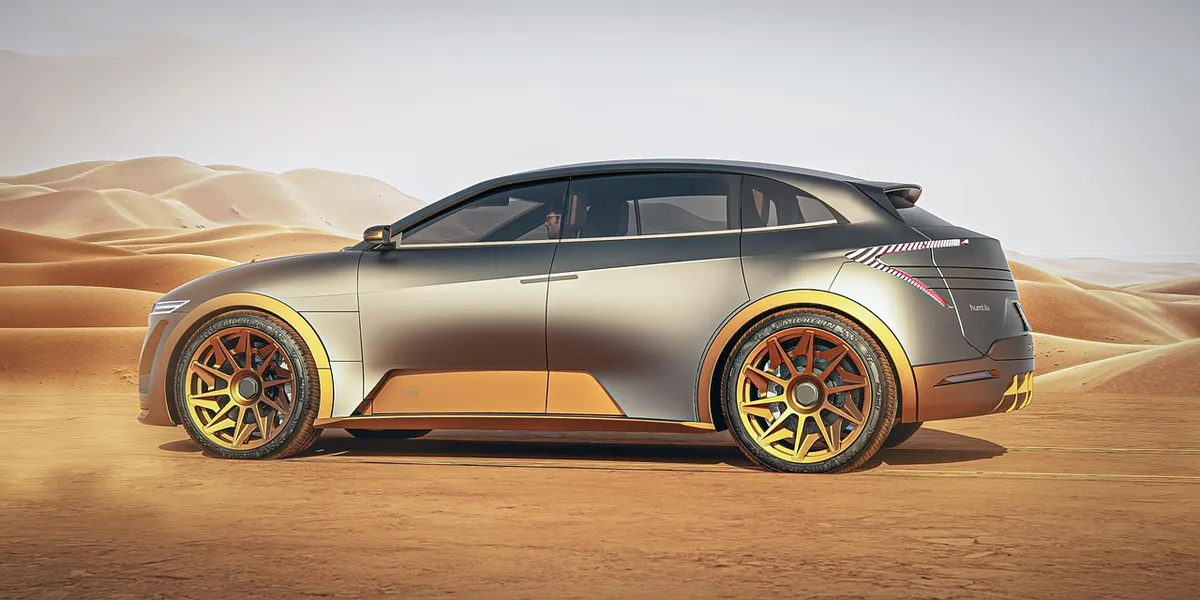
According to an OECD report, India is regarded as a country providing the least subsidies, compared to other major markets, to renewable energy in electric vehicle and that may hamper the governments target of achieving the all-electric target by 2030.
One limitation is that certain technologies are designed strictly for backup. For instance, BMW designed the system strictly as a backup for reaching a charging location, not for regular use; by 2016, the range extender option was being regularly used in fewer than 5% of i3s.
This shows that high-tech range solutions are not always the primary mode of operation for every driver.
The same subject is also called EV range buying guide.
The same subject is also called 2026 EV range needs.
This part also covers Best EV range for my drive.
This part also covers How far can 2026 EV go.
Related


Comments 0