EV range by maker: Why 516-mile range stands out
"The distance an electric vehicle can travel on a single charge is a primary metric for buyers, yet these numbers often depend on specific laboratory conditions rather than the open road."
Determining the right EV range involves understanding how manufacturer specifications compare to real-world usage. This guide focuses on comparing electric vehicle distance across different brands to help you make an informed purchase.
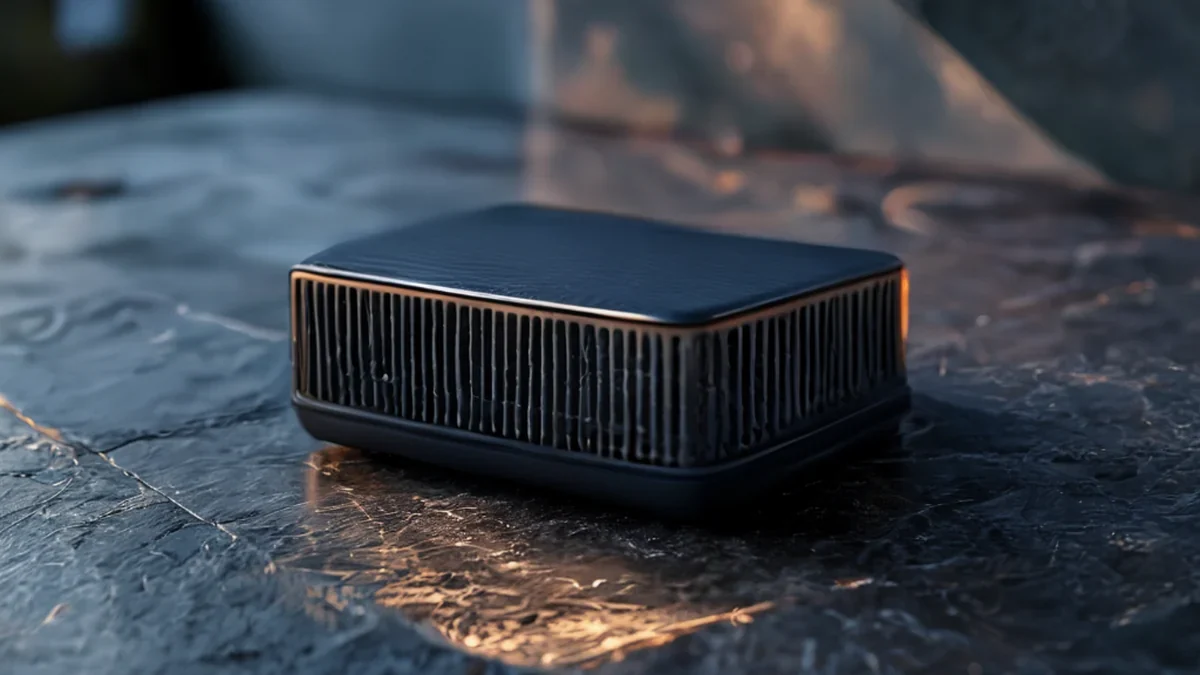
To use this information effectively, you should account for environmental factors, recognize the distinction between EPA ratings and actual driving, and prioritize specific engineering features over luxury amenities.
* * Comparing high-performance luxury electric vehicle distance * Analyzing mainstream segment efficiency and charging * Evaluating real-world range limitations
How does EV range by maker differ?
At sunset on a winding mountain pass, you grip the wheel while observing how each manufacturer's range varies.
A driver grips the steering wheel and watches the digital odometer climb steadily along a scenic coastal highway. Choosing an electric vehicle requires looking past the marketing to see how different makers approach battery efficiency and range.
The performance landscape varies significantly between luxury and mainstream models. For instance, the Lucid Air Grand Touring has established a 516-mile EPA range record.
Comparing these figures helps you determine if a vehicle meets your specific travel needs. While some manufacturers focus on maximizing the distance per charge, others prioritize the speed of the recharging process.
This comparison is vital when evaluating vehicle performance miles for long-distance trips.
- Compare the battery capacity of different models.
- Evaluate the efficiency of the drivetrain.
- Check the aerodynamic profile of the vehicle.
What is the difference between EPA and real-world range?
As a cold wind bites your skin, you watch the dashboard display the dwindling range during a long midnight drive.
A technician adjusts a thermostat in a sterile, climate-controlled laboratory environment. When you look at a window sticker, you are seeing a theoretical maximum rather than a guarantee of what you will experience on the street.
Because these tests occur in a controlled setting, they do not account for the unpredictable variables of daily driving. This distinction is a critical part of any car range comparison.
I once observed how sudden changes in temperature and terrain can drastically alter how a battery depletes. According to Drive Authority, the EPA range on the window sticker is generated at 75°F in a controlled lab with minimal climate load.

This means your actual mileage may fluctuate based on your specific driving habits and local weather.
In this sequence, the second step is the longest.
Which manufacturer leads in performance and luxury?
An engineer inspects the aerodynamic curves of a sleek, low-profile sedan in a high-tech facility. Some manufacturers prioritize adding digital features, while others invest heavily in the fundamental physics of the car.
The Lucid Air Pure stands out as a winner in the luxury category. This vehicle is not trying to compete with the Model S on features, but rather it is competing on engineering. This focus on technical precision results in a vehicle with the lowest drag coefficient in production.
When evaluating an electric car specs review, look for how engineering choices impact efficiency. High-end models often use advanced aerodynamics to squeeze every possible mile out of the battery pack.
This specialized engineering allows for extreme distance achievements that standard vehicles cannot reach.
How can I apply these range facts to my purchase?
A buyer sits at a kitchen table with a notebook, calculating the cost of electricity versus gasoline. To navigate the transition to electric mobility, you should follow a structured approach to evaluate your options.
- 2. Check the DC fast charging speed for your home or travel routes. 3. Compare the manufacturer warranty against other mainstream competitors.
After completing these steps, perform a final check of your local climate conditions. While the math may look perfect on paper, local weather will always influence your final result.
| Vehicle Category | Notable Feature |
|---|---|
| Luxury High-Performance | 516-mile EPA range |
| Mainstream Segment | 18-minute fast charging |
What are the limitations of these range estimates?
A car slows down as it enters a dense urban area with heavy pedestrian traffic. While the numbers provided by manufacturers are useful benchmarks, they are not absolute truths for every driver.
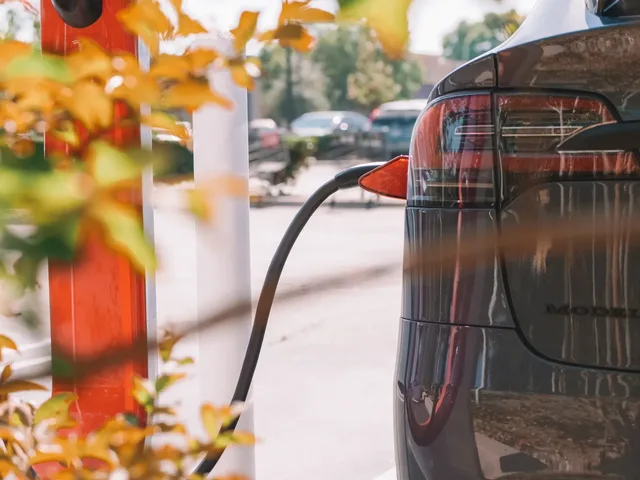
The data is limited by the specific conditions under which it was gathered. Most range figures are EPA-rated, meaning they reflect a standardized test rather than a diverse set of driving scenarios.
The primary limitation is that these figures are generated at 75°F with minimal climate load. This means that in extremely cold or hot weather, the distance will likely deviate from the sticker.
The subject here is EV range by maker.
The same subject is also called Maker range test.
This part also covers Best EV range chart.
This part also covers Compare car driving distance.
Best EV range chart
Related
- Midsize electric car subsidy tips guide for buyers
- 30% increase output; EV manufacturer model guide tips
How do environmental conditions affect electric vehicle distance?
Temperature and terrain act as primary variables that influence how an electric vehicle performs on the road. While laboratory tests occur at 75°F, real-world driving involves unpredictable weather changes that can alter battery depletion.
Comparing the theoretical EPA range to actual mileage requires caution when you face extreme heat or cold. These environmental conditions create a deviation from the standardized laboratory results.
You should prioritize engineering features that account for these fluctuations when evaluating distance capabilities.




Comments 0