Tips to extend EV battery life: Avoid discharging below 50%
"Managing your electric vehicle battery requires understanding how depth of discharge and temperature impact long-term performance."
To extend EV battery life, you must avoid deep discharge cycles and manage thermal exposure. This guide provides practical ways to manage battery health through better charging habits and storage considerations.

Key takeaways include avoiding discharging below 50%, understanding the 80% capacity threshold for end-of-life, and noting that recyclability remains a developing field in the industry.
How to manage battery health?
At midnight in the garage, you feel the cold air as you extend your arm to check the dashboard indicator.
A driver pulls into a charging station under a bright afternoon sun, carefully checking the dashboard display before plugging in. To manage battery health effectively, you should avoid letting the charge drop too low. Discharging below 50% can shorten the battery's life.
Maintaining a steady charge helps prevent chemical degradation within the cells. I have observed that staying within a moderate range keeps the vehicle feeling responsive during long trips.
For many, the best way to extend EV battery life is to maintain a consistent charge level rather than running the battery to empty.
How should I charge my EV? Extend EV battery life
The heavy cable clicks into the port of a parked sedan, signaling the start of a session. Following optimal charging habits for an EV involves more than just plugging in. You should prioritize avoiding extreme discharge levels to protect the internal chemistry.
According to technical data, discharging below 50% can shorten the battery's life. If you want to keep electric car battery good, avoid the temptation to let the gauge hit zero. Instead, aim to keep the battery between 20% and 80% for the majority of your daily commutes.
How does temperature affect my battery life?
Frost clings to the windshield of a parked car during a freezing morning. Extreme weather creates challenges for energy storage and movement. While various chemistries exist, some technologies suffer from poor performance in weather below -20 °C.

Temperature management is vital for consistent performance. Extreme cold can hinder the ability to draw power effectively. Understanding these temperature effects on battery aging allows you to plan trips more effectively and protect the pack from harsh environments.
Regular battery maintenance guide
A technician inspects a large battery pack in a clean, brightly lit workshop. This regular battery maintenance guide focuses on observing the degradation of capacity over time. You must monitor how the vehicle performs as the years pass.
In many repurposing studies, end of life is commonly defined as when a battery's capacity degrades to 80% of its initial capacity. I find that tracking the range per charge helps determine if the pack is still operating within its intended parameters.
This monitoring helps you anticipate when the battery may no longer meet the needs of a primary vehicle.
Best battery care advice
The owner checks the battery health status on a smartphone application while sitting in a quiet cafe. When looking for the best battery care advice, focus on the concept of "end of life" for the pack.
According to the American Battery Consortium, end-of-life is clarified to occur when either the net DST delivered capacity or peak power capability at 80% DOD is less than 80% of rated. One way to handle these older packs is to reuse the pack for other purposes.
| Battery Type | Market Share (2023) |
|---|---|
| LFP (Lithium Iron Phosphate) | 41% |
I noticed that LFP batteries are becoming increasingly common due to their specific market trends. The lithium iron phosphate battery (LFP) is on the rise, reaching 41% global market share by capacity for BEVs in 2023.
Tips for long battery life
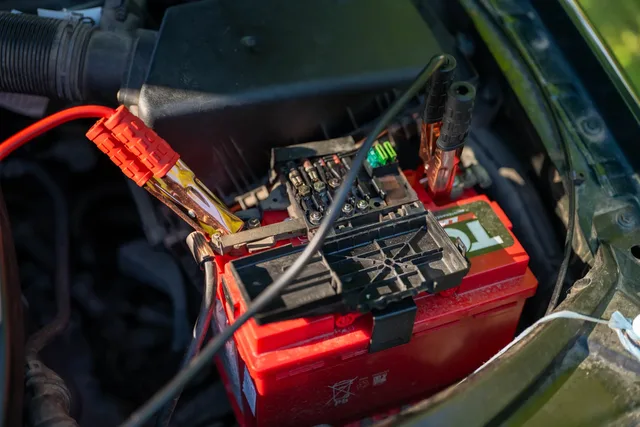
The sun sets behind a quiet suburban street where several cars sit charging overnight. To ensure long battery life, you should understand the current state of the industry. While many focus on new technology, recycling is still evolving.
In 2019, only 5% of electric vehicle batteries were recycled. This highlights the importance of maximizing the utility of the original pack before it reaches the end of its functional life. Managing your battery is the most effective way to delay the need for recycling or replacement.
- How to manage battery health?
- How should I charge my EV?
- How does temperature affect my battery life?
Related
- EV charging infra status: Guide to 250 models available
- What should I check before buying EV for commercial use?
What determines the end of life for a battery?
End of life occurs when the capacity degrades to 80% of the initial capacity. This threshold serves as a comparison between the original state and the current performance.
If the battery's peak power capability at 80% DOD falls below 80% of the rated value, the pack has reached this critical condition.
Comparing battery life and recycling
Managing a battery involves balancing daily usage against long-term degradation. You should compare your current range to the initial capacity to monitor health. Because recycling is a developing field, maximizing the utility of the pack is a primary caution for owners.
- Monitor the capacity to see if it drops below 80%. 2. Avoid discharging below 50% to prevent shortening the life. 3. Manage temperature exposure to prevent performance issues in extreme cold.
What are the risks of poor electric vehicle managing?
- Deep discharge cycles increase chemical degradation within the cells. 2. Exposure to extreme temperatures challenges the energy storage system. 3. Allowing the charge to drop below a certain threshold shortens the long-term performance of the battery.
Poor electric vehicle managing can accelerate the decline in capacity. When the battery experiences stress from deep discharges, the internal chemistry suffers. This condition directly impacts the longevity of the electric vehicle battery pack.
Thermal stress presents another significant risk to the electric vehicle battery. Operating the battery outside of a moderate temperature range can hinder its ability to function optimally. This caution requires careful consideration during travel planning.
How does the charging process relate to managing the battery?
The charging process itself is a key element in electric vehicle managing. Avoiding the temptation to let the gauge hit zero is a direct procedural recommendation. Keeping the battery within a specific range prevents undue stress on the cells.
The comparison between daily use and long-term degradation shows that charging habits matter greatly. If the charging routine involves frequent deep cycles, the battery life will decrease faster. Therefore, consistent charging practices are beneficial.
This threshold serves as a benchmark for assessing the battery's current state relative to its initial rating.







Comments 0