Commercial EV range standards: How to guide fleet efficiency
"The quiet nature of the electric motor provides a unique safety challenge for pedestrians."
Commercial electric vehicle range standards involve balancing battery capacity against operational needs like payload and route length. This guide helps operators weigh charging infrastructure, regulatory shifts, and total cost of ownership electric factors to optimize fleet efficiency.
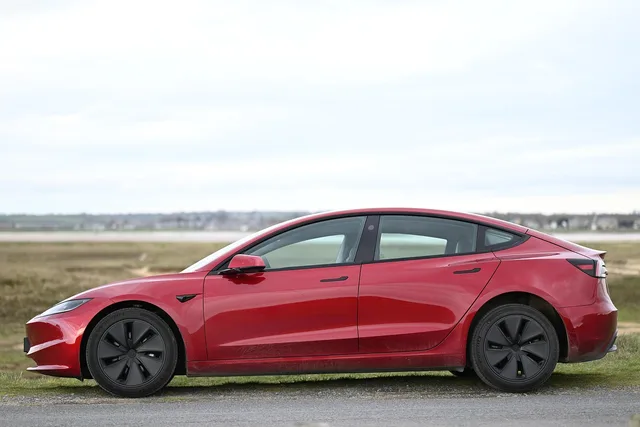
Note that regional electricity emission factors vary significantly, which affects the environmental benefit of the transition. 1. Evaluating daily mileage against battery capacity 2. Understanding regional electricity emission variations 3.
Navigating safety regulations for low-speed operation * Identifying vehicle types through license plate standards
How do drivers evaluate electric vehicle range guide metrics?
At dusk, the driver grips the steering wheel tightly while staring at the glowing commercial range display in the dark cabin.
A driver pulls a heavy van into a charging station, checking the remaining percentage on the dashboard. To determine if a vehicle fits a specific business model, one must look at the average daily driving distance.
The effectiveness of a vehicle depends on the context of its use. For instance, since the average driving distance of Americans in a day is 30 miles or less, for 90% of Americans, electric cars would work as a daily commute car or second car.
This suggests that for many short-distance logistics, battery capacity is rarely the primary constraint.
What should I look for when comparing EV purchases? Commercial EV range standards
In a dim office, the manager rubs their eyes while scanning a commercial spreadsheet late at night.
A fleet manager sits in a quiet office, reviewing the total cost of ownership electric spreadsheets for a new delivery route. Selecting the right asset requires looking beyond the initial sticker price to consider long-term operational impacts.
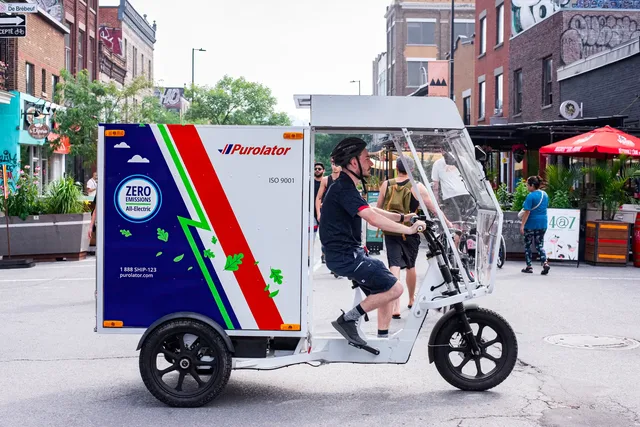
The Environmental Protection Agency estimates that the electricity GHG emission factors for various regions of the country vary from 346 g CO2/kWh in California to 986 g CO2/kWh in the Rockies, with a national average of 648 g CO2/kWh.
This variance means the environmental and economic footprint of a fleet changes based on the local power grid.
| Region | GHG Emission Factor (g CO2/kWh) |
|---|---|
| California | 346 |
| Rockies | 986 |
Are there safety rules for driving an electric vehicle?
A pedestrian walks near a slow-moving electric shuttle, unaware of its approach due to the motor's silence. Safety standards have evolved to ensure these vehicles are detectable by humans in urban environments.
According to the National Highway Traffic Safety Administration, all hybrids and EVs must emit artificial noise when idling, accelerating to 19 mph (30 km/h) or going in reverse by September 2019.
The National Highway Traffic Safety Administration ruled that all hybrids and EVs must emit artificial noise when idling, accelerating to 19 mph (30 km/h) or going in reverse by September 2019.
This ensures that the low noise typical of electric vehicles at low speeds does not create hazards for those nearby.
How does government policy influence the best commercial electric cars?
A technician inspects a new delivery van, noting the unique color of the plates assigned to the vehicle. Government agencies use specific visual markers to categorize new energy vehicles within the existing traffic system.
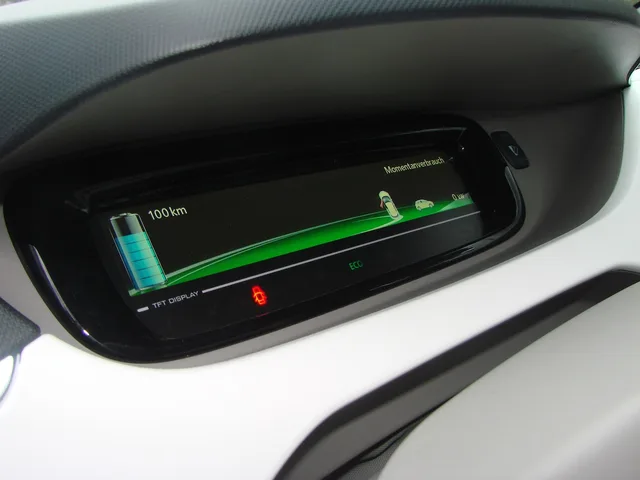
In April 2016, the Traffic Management Bureau under the Ministry of Public Security announced the introduction of new green license plates to identify new energy vehicles, as opposed to the country's standard blue plates.
These visual identifiers help manage the integration of new technologies into the infrastructure.
What impact does regulation have on internal combustion engines?
An engineer reviews the new emission standards for a traditional diesel engine, preparing for the upcoming compliance cycle. Even as electric options grow, the rules for conventional vehicles continue to tighten.
The US Environmental Protection Agency also unveiled stringent automotive emissions and fuel economy requirements for internal combustion engine-powered vehicles that will become mandatory on all new US-market ICE-powered vehicles starting for the 2023 model year.
This regulation forces a shift in how traditional engines are designed.
How can an operator implement an electric vehicle transition?
A logistics coordinator maps out the first three steps for converting a small delivery fleet to electric power. The process requires a systematic approach to ensure the transition does not disrupt service.
- Analyze current daily mileage to ensure it falls within the 30-mile average baseline. 2. Assess the local grid to understand the regional GHG emission factors. 3. Verify that the chosen models meet the artificial noise requirements for low-speed safety.

I personally find that checking the regional emission factors is the most critical part of this sequence.
The effectiveness of these steps is limited by the specific regional electricity grid composition.
The subject here is Commercial EV range standards.
The same subject is also called Compare EV purchase factors.
The same subject is also called EV charging and cost review.
This part also covers EV battery life and charging efficiency.
This part also covers Government subsidy impact on EV.
EV battery life and charging efficiency
Related
- Tips to extend EV battery life: Avoid discharging below 50%
- EV charging infra status: Guide to 250 models available
What are the limitations of the electric vehicle transition?
Operational success depends on the specific characteristics of the local power grid. If the regional electricity emission factors are high, the environmental benefit of the transition decreases.
- Compare the average daily driving distance against the battery capacity. 2. Evaluate the local GHG emission factors to determine the environmental footprint. 3. Check the vehicle's artificial noise output to ensure compliance with safety standards.
Because the quiet nature of the electric motor can create hazards, operators must ensure vehicles meet the artificial noise requirements for low-speed operation.





Comments 0