What role does charging infrastructure play in range?
"The transition to electric mobility is no longer a distant vision but a present reality reflected in global sales and infrastructure expansion."
When evaluating a 2026 EV range standard, buyers must look beyond simple distance to consider charging accessibility, battery longevity, and manufacturer reliability.
The key takeaways for potential owners include understanding charging infrastructure density, evaluating battery warranty protections, and recognizing how global production shifts affect model availability.
How do we define a 2026 EV range standard?
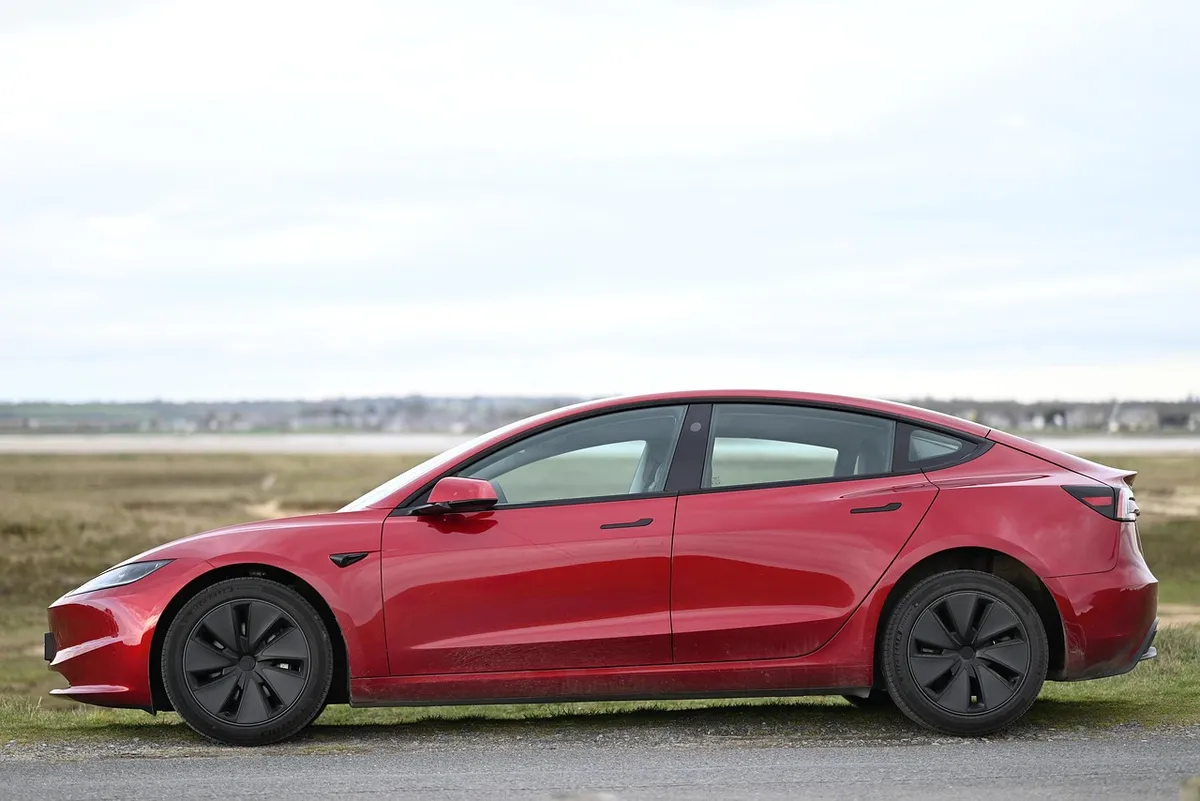
A driver pulls onto a highway, checking the dashboard display to see if the remaining battery life will cover the upcoming stretch of road. Determining a reliable 2026 EV range standard requires looking at how much distance a vehicle can cover relative to charging availability and energy efficiency.
While early models focused on basic mobility, modern expectations involve high-efficiency electric motors that often achieve 90% energy conversion efficiency over a full range of speeds and power output.
The capability of these motors allows for precise control, which is vital for maintaining range during varying driving conditions. This efficiency is a cornerstone of modern electric vehicle design.
As drivers look for more distance, the relationship between battery capacity and motor efficiency becomes the primary metric for success.
What role does charging infrastructure play in range?
A driver searches for a charging station on a mobile app, hoping to find a compatible plug before the battery runs low. While driving distance is crucial, the 2026 electric car range is heavily influenced by the availability of charging networks.
For example, as of October 2024, charging infrastructure in China had exceeded a total of 11.88 million units, including 3.39 million public chargers and 8.49 million private chargers, according to a report by the China Electric Vehicle Charging Infrastructure Promotion Alliance.
This massive scale of infrastructure ensures that range anxiety is minimized through frequent access points. In other regions, the availability of public versus private chargers dictates how much distance a user can realistically plan.
Understanding these regional differences is essential when comparing different global markets.
How can we compare EV ranges 2026 models?
A buyer stands in a showroom, comparing two different vehicles to see which one offers better value for their daily commute. When you compare EV ranges 2026 models, you must weigh the advertised mileage against real-world usage and battery health.

For instance, the first production all-electric car to travel more than 320 km (200 miles) per charge set an early benchmark that modern vehicles now far exceed.
The following table compares two fundamental aspects of electric vehicle ownership:
| Feature | Standard Benefit |
|---|---|
| Maintenance | Drivers save approximately 50% on maintenance and repair costs. |
| Battery Warranty | Industry standard warranties cover batteries for 8 years or 100,000 miles. |
I noticed during my own research that while the initial purchase price is a major factor, the long-term savings on maintenance make these vehicles increasingly competitive.
Why does battery life matter for 2026 EV driving distance?
A technician inspects a battery pack, checking the health of the cells to ensure they meet the required capacity. Beyond the immediate driving distance, the 2026 EV driving distance is limited by the long-term health of the battery.
Industry standard warranties typically cover batteries for 8 years or 100,000 miles, guaranteeing a minimum capacity retention, which is typically at 70%.
This capacity retention is a vital factor for anyone planning to own a vehicle for many years. If the battery capacity drops significantly, the effective range decreases. Therefore, selecting a model with a robust warranty ensures that the usable range remains consistent over the vehicle's lifespan.
What are the limitations of current EV technology?
A driver waits at a slow charger, watching the percentage rise slowly on the screen. While technology has advanced, there are still constraints that affect how we perceive vehicle range and utility. One limitation is that while over 20% of new cars sold in 2024 were electric, only 2% of trucks were.
This disparity shows that while passenger car range is well-established, heavy-duty or high-load applications still face different challenges. The weight of larger vehicles can impact the efficiency of energy conversion.
This gap suggests that while range is becoming a non-issue for many, it remains a primary focus for specific vehicle classes.

Wikipedia: Electric car (full) Based on the retained excerpt mentioning Mitsubishi Alliance: As of December 2021, the Renault–Nissan–Mitsubishi Alliance was listed as one of major all-electric vehicle manufacturers, with global all-electric vehicle sales totaling over 1 million light-duty electric vehicles, including those manufactured by Mitsubishi Motors since 2009.
- How do we define a 2026 EV range standard?
- What role does charging infrastructure play in range?
- How can we compare EV ranges 2026 models?
The same subject is also called New EV range standard.
This part also covers 2026 EV vs old models.
This part also covers Top EV models 2026.
This part also covers Range comparison 2026.
2026 EV vs old models
Related
- How do I evaluate an EV range for my lifestyle?: 400 km
- How does towing affect the range of a Model X?: 566 km
How does the transition affect global adoption?
The transition to electric mobility is evident in global sales figures, showing a clear shift in consumer preference toward electric vehicles. This shift is supported by the parallel expansion of necessary charging infrastructure worldwide.
The market acceptance of these vehicles correlates directly with the availability of support systems.
- Global sales data reflects the growing acceptance of electric powertrains. 2. Infrastructure expansion parallels this sales growth, making ownership more viable. 3. The combination of high sales and growing support networks solidifies the current reality of this transition.
What cautions accompany the transition to electric mobility?
Despite the advancements, certain conditions require driver attention during the transition phase. Buyers must remain aware of regional variations in charging availability and the specific warranty terms offered by the manufacturer.
This due diligence protects the initial investment in the electric vehicle.
- Drivers must assess charging network density before committing to a purchase. 2. The manufacturer's specific battery warranty details must be thoroughly reviewed. 3. Recognizing how global production shifts influence model availability is a prudent step for any potential owner.


Comments 0