What 160 km is the difference between EREVs and PHEVs?
When selecting a new vehicle, the distinction between pure battery power and extended range can be the difference between a seamless commute and a sudden detour to a charging station. This guide helps you navigate the complexities of range standards and future technology to make an informed purchase.
Key takeaways: 1. Understand the regulatory differences between BEVx and standard PHEV classifications. * Compare current battery capacities with emerging super hybrid technologies. * Evaluate how charging infrastructure and vehicle pricing influence range reliability.
How do EV range standards work?

A driver sits behind the wheel of a new electric vehicle, checking the dashboard display to see how many kilometers remain before a recharge is required. Understanding these numbers starts with recognizing how different regions and agencies classify vehicle capabilities.
In the United States, the California Air Resources Board uses the designation BEVx for vehicles that comply with its specific criteria for extended-range battery-electric vehicles.
Historically, these standards have evolved alongside technology. In the early 1990s, the California Air Resources Board (CARB) began a push for more fuel-efficient, lower-emissions vehicles, with the ultimate goal being a move to zero-emissions vehicles such as electric vehicles.
This long-term vision shaped the modern landscape of electric drivetrains.
Researching these labels helps buyers avoid confusion between a dedicated electric vehicle and a hybrid. While the term BEVx is specific to California, it represents a broader effort to categorize how much electric driving a vehicle can actually perform.
- Identify the testing cycle used for the rating. 2. Account for environmental variables like temperature. 3. Factor in driving style and load.
What is the difference between EREVs and PHEVs?
As I pull into the dark driveway, I grip the steering wheel tightly while pondering the mechanical difference between an EREV and a PHEV.
An owner pulls into a driveway, plugging in their vehicle after a long drive, wondering if the gasoline engine will engage if the battery runs low.
According to the California Air Resources Board, the BEVx designation was created in 2012 as the only major regulatory framework to formally distinguish extended-range electric vehicles from conventional PHEVs, treating them instead as a subcategory of battery electric vehicle.
Distinguishing between an Extended-Range Electric Vehicle (EREV) and a Plug-in Hybrid Electric Vehicle (PHEV) is essential for managing daily driving habits.

The primary difference lies in how the internal combustion engine is used. In many EREV setups, the engine acts solely as a generator to recharge the battery, whereas in a PHEV, the engine can often drive the wheels directly. This distinction affects how much "electric-only" driving you can expect.
| Feature | EREV (Extended-Range) | PHEV (Plug-in Hybrid) |
|---|---|---|
| Primary Drive | Electric Motor | Electric Motor & Engine |
| Engine Role | Generator for battery | Direct propulsion & charging |
| Target Use | All-electric daily use | Mixed electric/gas use |
I once looked at a model where the range extender engaged only when the battery fell to 6%, extending total range from approximately 130 to 160 km to 240 to 300 km. This comparison shows how much the secondary system impacts total travel capability.
Choosing between these depends on your typical daily mileage. If you rely on the electric mode, the EREV structure might better suit your needs by mimicking a pure battery vehicle.
In this comparison, the second point is the most detailed.
How can I plan for future EV range expectations?
A tech enthusiast watches a video of a new battery being installed, curious about how much further they can travel on a single charge. As battery technology advances, the gap between current models and future expectations becomes a central part of the buying decision.
According to the International Energy Agency, there were about 250 models of highway-capable plug-in electric passenger cars available for sale in the world as of December 2019, up from 70 in 2014.
Looking at future EV range comparison data, we see significant leaps in battery capacity. For example, CATL developed its Freevoy Super Hybrid Battery specifically targeting the EREV and PHEV segments, capable of providing an all-electric range of approximately 400 km on a single charge.
This level of range reduces the practical need for the generator to engage on typical weekly use.
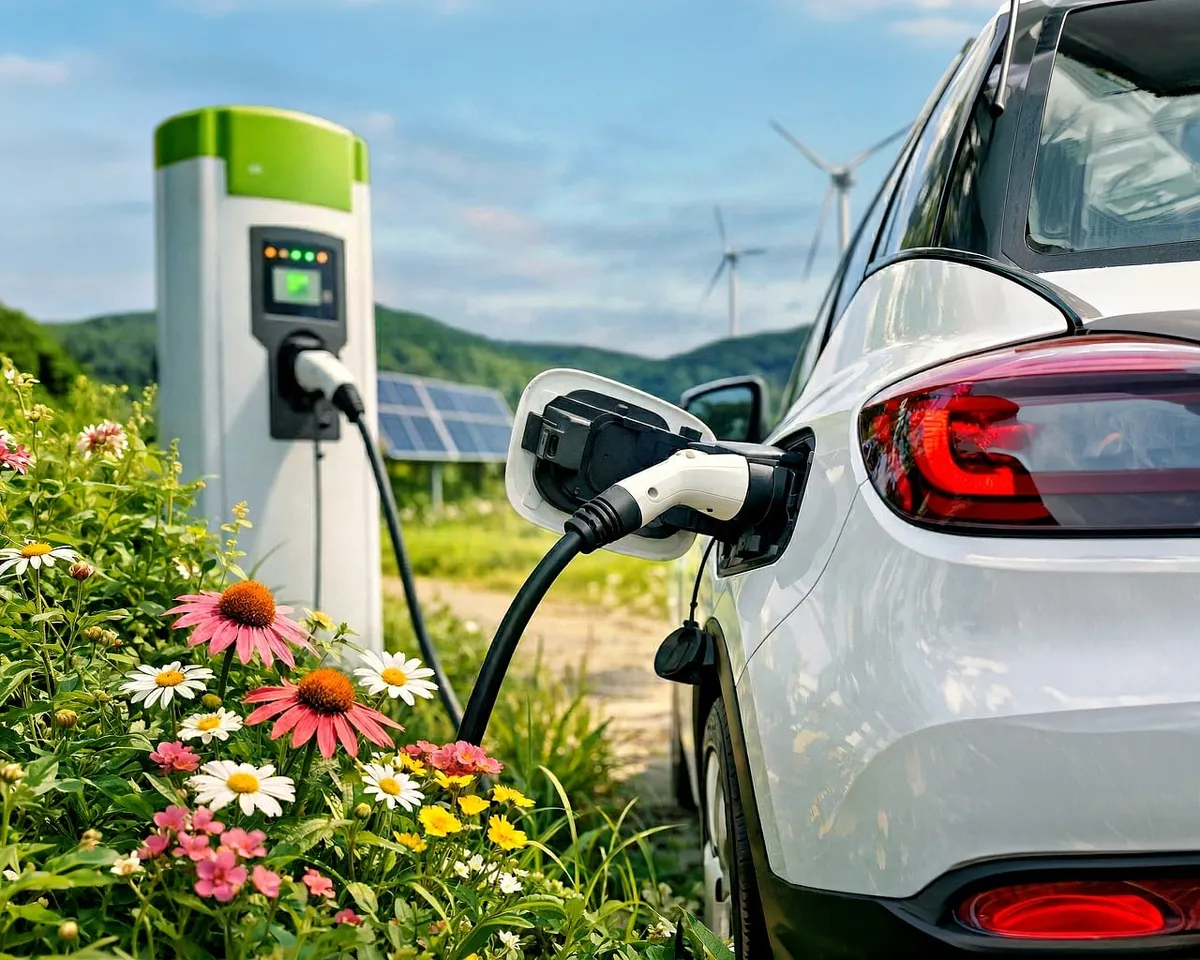
Current market trends show that premium models often lead this technological shift.
Over 60% of 2024 EREV sales in China came from vehicles priced above RMB 250,000 (approximately USD 34,000), reflecting the technology's concentration in large, premium models marketed on total range and technology content.
Evaluating these trends helps you decide if you should buy an EV in 2026 based on current tech or wait for even larger capacity. Higher-priced models tend to offer the most significant range advantages.
What are the practical steps for choosing a range?
A traveler maps out a long-distance route on a tablet, calculating how many stops are needed to reach a remote destination. To make a smart decision, you should follow a structured approach to evaluate range-related features.
- Determine your daily driving distance to see if a standard PHEV or a higher-capacity EREV is necessary. 2. Check the specific regulatory classification in your region to understand how the vehicle is taxed or incentivized. 3. Verify the charging infrastructure in your primary travel areas to ensure the vehicle's range meets real-world needs.
After selecting a vehicle, perform a final check. Ensure the vehicle's electric-only range covers your most frequent trips to avoid frequent engine engagement.
While these steps provide a roadmap, remember that range is not the only factor. You must also consider the vehicle's total weight, efficiency, and the availability of charging ports.
How does infrastructure affect my range?
A driver looks out at a vast highway, noticing the growing number of charging stations appearing at every rest stop. The ability to travel long distances is not just about the battery, but also about the support systems available on the road.

The expansion of charging networks significantly impacts how much range a driver actually needs. The simultaneous expansion of China's charging network to 12.82 million charging units by the end of 2024, a 49.1% year-on-year increase, further reduced range anxiety among potential BEV buyers.
This growth in infrastructure changes the way we view EV range buying tips. As chargers become more common, the "safety net" of a large battery or an extended-range engine becomes less critical for many drivers.
However, even with better infrastructure, the vehicle's own range remains the primary tool for independence. A well-integrated charging network makes a smaller-range vehicle much more viable for long trips.
- The California Air Resources Board uses its specific criteria for extended-range battery-electric vehicles.
- The 2026 EV range guide begins with understanding regulatory terminology.
- This allows for a distinction between vehicles that function primarily as electric cars and those that act as plug-in hybrids.
Related


Comments 0