What changes are expected in new electric vehicle aid?
"The transition to electric mobility relies heavily on how governments structure their financial support and regulatory frameworks to drive consumer adoption."
The 2026 EV subsidy policy landscape is shaped by regional competition, varying incentive structures, and shifting eligibility requirements. This overview examines how different nations manage subsidies to meet electrification targets and the potential hurdles for global market alignment.
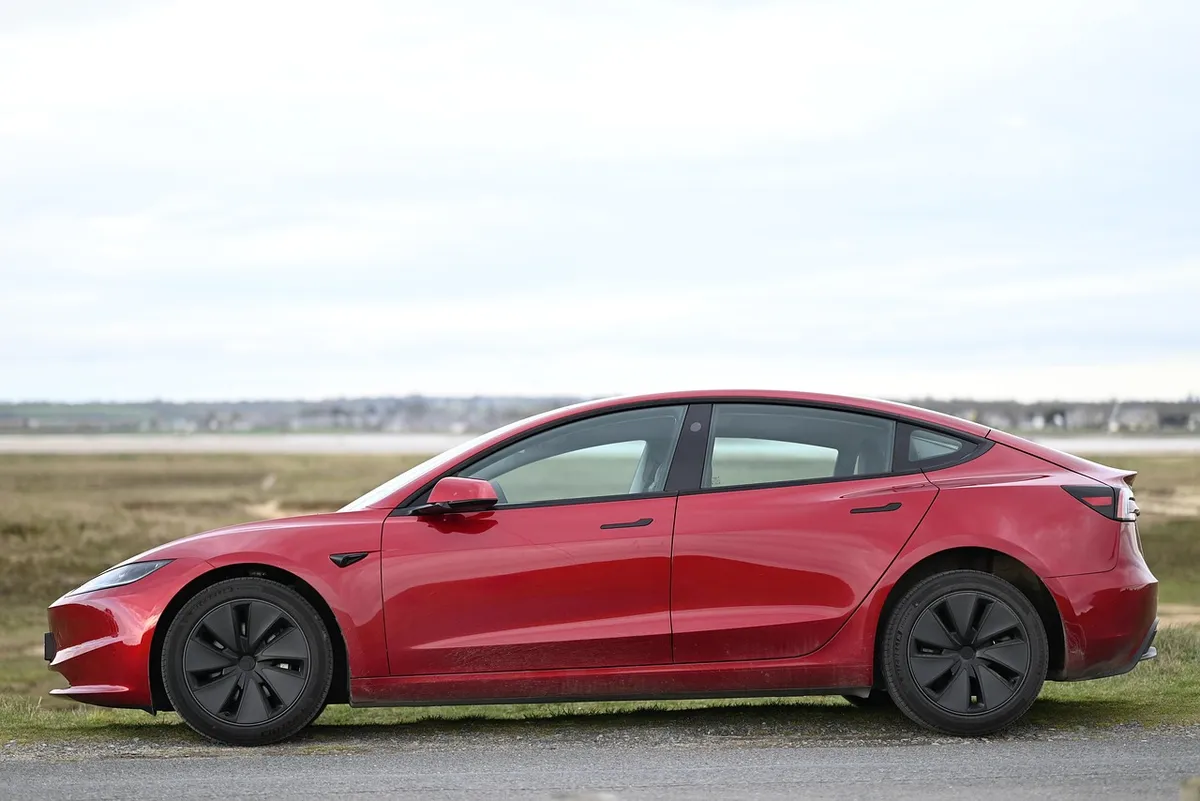
Key takeaways: * Regional variations in subsidy levels significantly impact adoption rates. * Eligibility criteria often depend on battery range and local sourcing requirements. * Trade tensions and tariffs can alter the flow of electric vehicle imports.
How do global subsidy variations affect the 2026 EV subsidy policy?
At dawn in the quiet office, the policymaker sighs as the shifting landscape of international trade changes the projected fiscal outcome.
A policymaker reviews a spreadsheet of international tax credits while sipping coffee in a quiet office. The 2026 EV subsidy policy remains subject to the historical precedents of how different regions prioritize renewable energy and domestic manufacturing.
According to an OECD report, India is regarded as a country providing the least subsidies, compared to other major markets, to renewable energy in electric vehicle and that may hamper the governments target of achieving the all-electric target by 2030.
This lack of support can create a gap between current infrastructure and future environmental goals.
In contrast, other regions have used aggressive financial tools to jumpstart markets.
For instance, historical data shows that production of new energy vehicles between January and August reached 31,137 units, up 328% from the same period of 2013, following government support and new incentives issued in 2014.
What are the eligibility requirements for the 2026 electric car grant?

An engineer examines a new battery pack to ensure it meets the latest efficiency standards. Understanding the 2026 electric car grant requires looking at how range and technology dictate financial aid.
In some markets, incentives are tiered based on the distance a vehicle can travel on a single charge.
For example, electric vehicle incentives for cars with at least 400 km of range increased from CN¥ 44,000 to CN¥ 50,000, while vehicles with less than 150 km of range have been removed from the list of vehicles qualifying for an incentive.
These rules ensure that subsidies target high-utility vehicles rather than low-range models. I remember looking at a similar checklist where range requirements were the primary filter for consumer eligibility.
How do local sourcing norms impact the EV bonus program 2026?
A factory manager walks through a production line, checking the origin of every component. The EV bonus program 2026 is often tied to domestic production to support local economies.
To claim the subsidy, manufacturers needed to certify that 30% of the components were made in India. While these local sourcing norms exist, there are instances where electric vehicle entrants have been exempted from certain requirements.
Such rules create a complex environment for international manufacturers. While some regions mandate high local content to secure aid, others focus on the total technological advancement of the vehicle.
What changes are expected in new electric vehicle aid?

A technician adjusts the charging software on a diagnostic tool. The shift toward new electric vehicle aid often involves tightening standards for energy efficiency and vehicle type.
According to the International Energy Agency, there were about 250 models of highway-capable plug-in electric passenger cars available for sale in the world as of December 2019, up from 70 in 2014.
In some regulatory environments, specific vehicle categories receive different levels of support.
For instance, the subsidy provided benefits up to 20% on the ex-factory price, with a maximum benefit of ₹100,000 on electric cars, ₹4,000 on two-wheelers, ₹5,000 on high speed two-wheelers, ₹400,000 for electric minibuses, and ₹60,000 for three-wheelers.
Buses also face specific technical hurdles, such as requirements to have a range of at least 150 km and energy consumption of less than 0.7 Wh/km·kg. These technical benchmarks ensure that public transit electrification remains efficient.
How do 2026 subsidy targets address global trade?
A customs official inspects a shipping container at a busy seaport. As the world moves toward 2026 subsidy targets, trade disputes can influence the availability and price of electric vehicles.
In 2024 the European Union raised tariffs on EVs imported from China following an anti-subsidy probe, prompting China to lodge a complaint with the World Trade Organization. Such geopolitical maneuvers can lead to sudden changes in market pricing and availability.
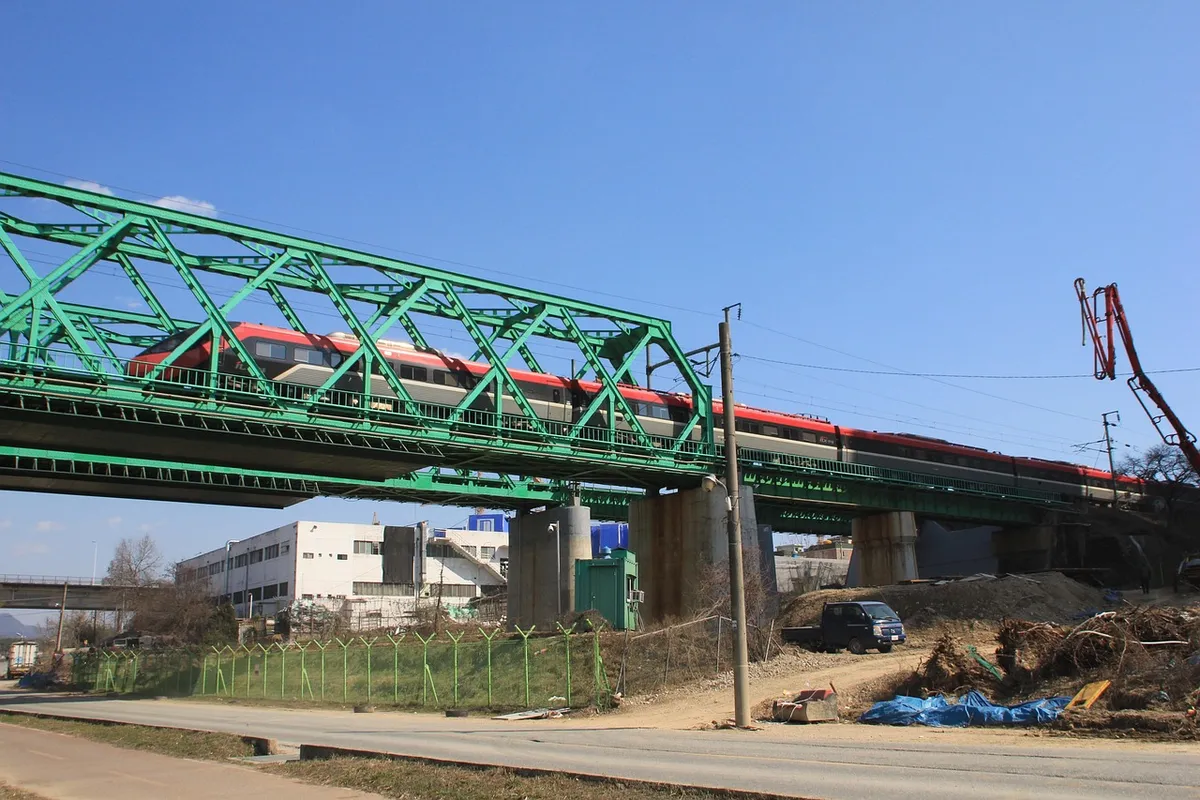
These tensions complicate the global supply chain for electric vehicles. As different nations implement protectionist or incentive-based policies, the cost for the end consumer can fluctuate significantly.
- How do global subsidy variations affect the 2026 EV subsidy policy?
- What are the eligibility requirements for the 2026 electric car grant?
- How do local sourcing norms impact the EV bonus program 2026?
This part also covers 2026 policy changes.
This part also covers Eligibility for aid.
This part also covers Support program review.
Related
- What are the new EV support targets in different regions?
- How do consumer needs shape the future charging outlook?
How do technical benchmarks influence the transition to electric mobility?
Technical benchmarks ensure that the transition to electric mobility remains efficient by setting specific performance standards. For instance, public transit electrification requires buses to meet a minimum range of 150 km and an energy consumption limit of less than 0.7 Wh/km·kg. These specific conditions prevent low-utility vehicles from receiving support.
What comparison can be made between different incentive structures?
A comparison of incentive structures shows that some regions use tiered systems based on range, while others use fixed maximum benefits. For example, while some markets increase subsidies for vehicles with at least 400 km of range, others provide specific maximum benefits for different vehicle categories like two-wheelers or minibuses. These varying conditions dictate how much financial aid a consumer receives based on the vehicle's utility.
- Compare the range-based tiers to fixed-amount benefits.
- Evaluate how local sourcing requirements compare to technological advancement focus.
- Contrast the impact of trade tariffs against domestic incentive programs.




Comments 0