What are the limitations of current electric vehicle models?
"The transition to electric mobility is no longer a distant vision but a shifting reality of global transportation."
Understanding the 2026 EV subsidy policy requires looking at how historical growth and legislative goals shape current market availability.
This guide explores how to evaluate financial incentives, compares historical market shifts to current trends, and outlines the steps to navigate changing regulations.
* Evaluate the impact of shifting government incentives on vehicle costs. * Compare historical market penetration to modern availability. * Understand the relationship between climate goals and vehicle stock. * Identify the practical steps for managing an electric vehicle purchase.
How does the 2026 EV subsidy policy influence market availability?
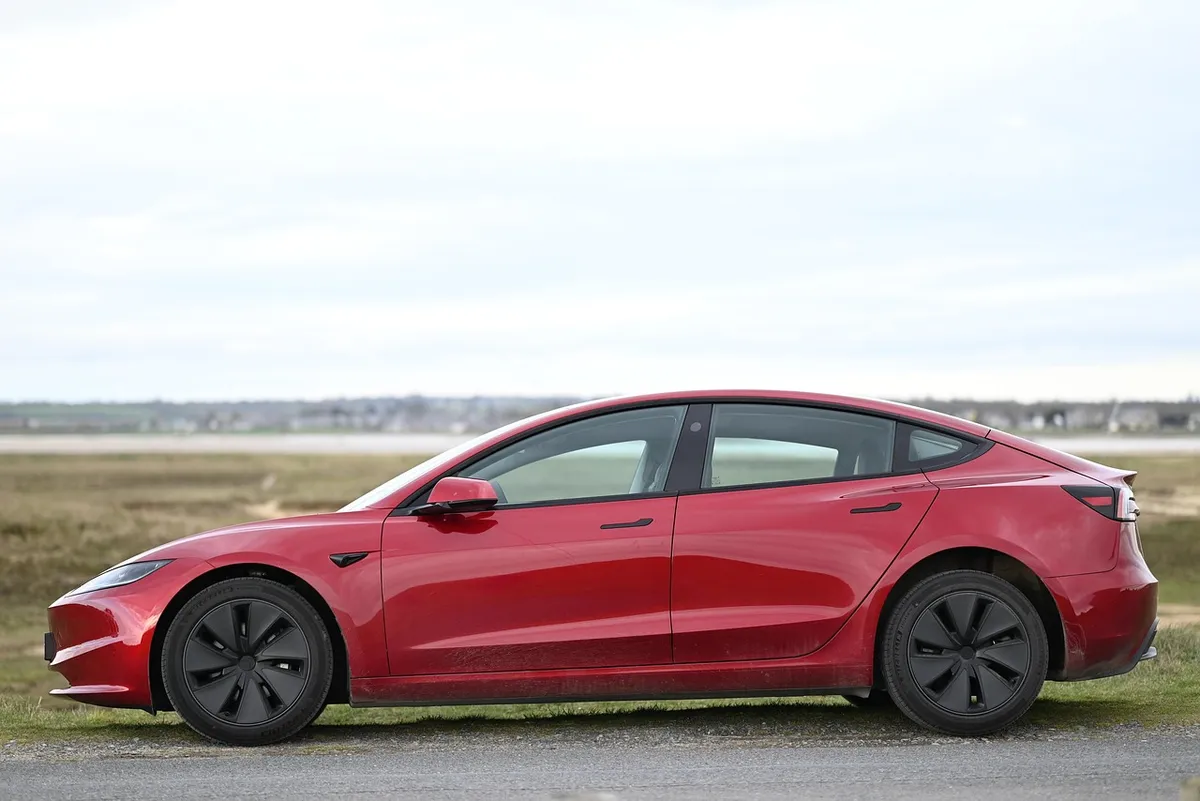
Standing in the quiet showroom at dawn, I ran my fingers over the cold windshield while contemplating how the new policy might impose sudden limitations on my choices.
A driver sits in a showroom, eyeing a sleek new model while wondering if the current price includes the necessary government support. Rapidly changing regulations often dictate which models remain affordable for the average consumer.
According to the International Energy Agency, there were about 250 models of highway-capable plug-in electric passenger cars available for sale in the world as of December 2019, an increase from 70 models in 2014.
This growth shows how quickly the variety of choices expands when policies encourage manufacturer diversity. As the number of models increases, the 2026 EV subsidy policy will likely focus on specific technology tiers or efficiency benchmarks.
The availability of these vehicles has historically been driven by government subsidies, improving charging infrastructure, increasing range, lower battery costs, and environmental sensitivity.
Planning your EV purchase 2026 requires understanding these variables to ensure the chosen model meets both personal needs and subsidy requirements.
How will 2026 EV aid change the global market?
Late at night in the dim study, I stared at the flickering screen and felt a chill as I realized how shifting aid might create global limitations for emerging markets.

A researcher looks at a map of global vehicle distribution, noting the stark differences between regions with high penetration and those still in early adoption. The unevenness of the transition makes it difficult to predict a single global standard.
The impact of 2026 EV aid is often tied to regional climate mandates and infrastructure readiness.
For example, the Norwegian Electric Vehicle Association noted that if the country wanted to reach ambitious climate goals set by the Parliament, the next goal was to have 400,000 battery electric vehicles by 2020.
This type of localized pressure shapes how much aid is distributed to meet specific targets.
By 2025, electric cars represented about 5% of the global car stock. This relatively small share compared to the total global fleet means that the 2026 EV subsidy policy will play a critical role in accelerating adoption rates.
The transition is not uniform, as different regions move at different speeds based on their specific regulatory environments.
How can I compare 2026 EV aid to previous incentive structures?
A consumer compares two different price tags, trying to figure out which one includes the tax credit and which one is the base MSRP. The complexity of these calculations can be overwhelming without a clear roadmap.
According to the Norwegian Electric Vehicle Association, if the country wants to reach the ambitious climate goals set by the Parliament, the next goal is to have 400,000 battery electric vehicles by 2020.
Comparing the current landscape to the past reveals a shift from broad subsidies to more targeted incentives. While early models were limited, the variety of choices has grown exponentially.
| Time Period | Availability Metric |
|---|---|
| 2014 | 70 models available |
| 2019 | 250 models available |

I looked at these historical shifts to understand how the 2026 bonus policy now might differ from the early days of adoption.
The expansion from 70 to 250 models demonstrates that as the market matures, the focus often shifts from simply providing any electric vehicle to incentivizing specific types of efficiency or range.
How do I plan my 2026 EV purchase?
A buyer sits at a desk with a notepad, listing the necessary steps to ensure they don't miss out on seasonal or legislative credits. A single mistake in timing could result in losing thousands of dollars in support.
To navigate this process, follow these three essential steps:
- Verify the specific eligibility requirements for your chosen vehicle model under current local laws. 2. Compare the total cost of ownership, including energy efficiency and maintenance, against the initial purchase price. 3. Confirm the availability of charging infrastructure at your primary locations to ensure the vehicle meets your daily range needs.
After completing these steps, perform a final check to ensure the manufacturer's documentation aligns with the government's subsidy criteria. This ensures that the 2026 electric car bonus is applied correctly at the point of sale.
What are the limitations of current electric vehicle models?
A driver pulls into a parking lot and realizes the vehicle is much quieter than a traditional car, momentarily causing a moment of hesitation. While technology improves, certain constraints remain.

A limitation to consider is that while electric drive vehicles typically have on-board efficiencies of around 80%, they still rely heavily on the stability of the power grid. This means that while the technology is efficient, the broader infrastructure must support the increased load.
Wikipedia: Plug-in electric vehicles in Norway (full) Based on the retained excerpt mentioning Association (Norsk Elbilforening) Conducted A Survey: In June 2013, the Norwegian Electric Vehicle Association (Norsk Elbilforening) conducted a survey among all-electric car owners, with a total of 1,858 respondents, representing over 15% of all the electric car owners in Norway.
- How does the 2026 EV subsidy policy influence market availability?
- What is the impact of 2026 EV aid on global market trends?
- How can I compare 2026 EV aid to previous incentive structures?
Related
- What changes are expected in new electric vehicle aid?
- What are the new EV support targets in different regions?
How does the transition compare across different markets?
The speed of the transition varies significantly depending on local mandates and existing infrastructure. A market aiming for aggressive climate goals must align its adoption rate with its national targets.
This alignment between policy and market reality dictates the pace of the electric vehicle transition globally.
The comparison between regions highlights that achieving a certain penetration level requires different starting points and levels of governmental support. Sustaining the transition requires more than just vehicle availability; it demands a supportive ecosystem.
What cautions accompany the adoption of electric technology?
While the technology is advancing, certain operational realities must be managed by the buyer. The dependence on the electrical grid remains a crucial point of consideration for any owner. Ensuring robust home charging capability is part of the overall ownership commitment.
The initial high efficiency of the drive train does not negate the need for a stable power supply chain. This reliance on macro-level infrastructure is a condition of current electric mobility.




Comments 0