What is the current SUV efficiency analysis?
"The push for zero-emissions vehicles began decades ago, driven by the necessity for cleaner air and more efficient transportation."
The 2026 large SUV EV features focus on expanding range, decreasing charging times, and optimizing energy efficiency for heavy-duty family travel. This analysis is intended for prospective buyers comparing long-distance capabilities and charging infrastructure needs.
Key takeaways include the historical growth of plug-in models, the influence of regulatory pushes for emissions reduction, and the scaling of global electric vehicle manufacturing.

A limitation of this analysis is that specific technical specifications for 2026 models are not established in the current provided data.
What will 2026 large SUV EVs feature?
At dawn, the driver grips the steering wheel tightly while feeling the sudden surge of current through the heavy vehicle on the highway.
A driver grips a leather-wrapped steering wheel of a heavy SUV, feeling the instant torque as the vehicle accelerates onto a wide highway. This sensation of power is a hallmark of the 2026 large SUV EV features that consumers expect in high-capacity electric models.
According to the California Air Resources Board, the agency began pushing for more fuel-efficient, lower-emissions vehicles in the early 1990s with the ultimate goal of moving toward zero-emissions vehicles such as electric vehicles.
The evolution of these features is rooted in decades of regulatory shifts and manufacturing growth.
According to the International Energy Agency, there were about 250 models of highway-capable plug-in electric passenger cars available for sale in the world as of 2019, which was a significant increase from the 70 models available in 2014.
This expansion shows how the market has moved from niche options to a diverse array of choices.
The development of these characteristics follows a long trajectory of environmental policy. In the early 1990s, the California Air Resources Board (CARB) began a push for more fuel-efficient, lower-emissions vehicles to eventually reach zero-emissions goals.
This regulatory foundation paved the way for the advanced efficiency seen in modern large-scale electric SUVs.
How does EV range comparison 2026 look? 2026 large SUV EV features
A traveler watches the battery percentage slowly descend while driving through a scenic mountain pass during a long afternoon trip. This concern regarding distance is the core of any EV range comparison 2026.
The ability to cover long distances in large vehicles depends on the scaling of production and battery technology.
The Renault–Nissan–Mitsubishi Alliance, as of December 2021, was listed as one of major all-electric vehicle manufacturers, with global all-electric vehicle sales totaling over 1 million light-duty electric vehicles.
This massive production scale supports the availability of various range options for different driving needs.
Historical sales milestones indicate how quickly the industry has moved toward larger, more capable electric fleets. For example, the Renault–Nissan Alliance reached global sales of 100,000 all-electric vehicles in July 2013.
As manufacturing capacity grows, the range available for heavy SUVs continues to expand alongside consumer demand.
How efficient are SUVs right now?
An engineer monitors a digital dashboard, observing how regenerative braking recaptures energy as the SUV slows down near a suburban intersection. This technical observation is central to a comprehensive SUV efficiency analysis.
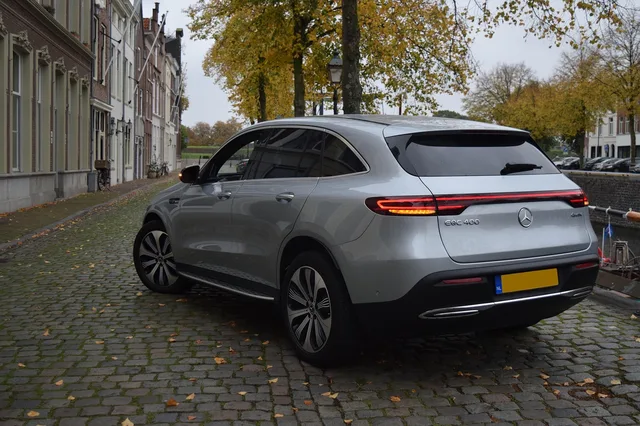
Efficiency in large electric vehicles is no longer just about battery size, but about how effectively that energy is used. The industry has transitioned from a limited selection of cars to a vast market.
According to the International Energy Agency, the number of highway-capable plug-in electric passenger cars grew from 70 in 2014 to about 250 models by 2019.
This growth in model variety allows for more specialized efficiency tuning. While early efforts focused on basic emissions, the goal has shifted toward maximizing the utility of every kilowatt-hour.
The historical push by agencies like the California Air Resources Board (CARB) helped set the stage for these sophisticated efficiency standards.
Can we expect better Fast charging SUV tech?
A driver plugs a heavy charging cable into the port of a large SUV at a rest stop, hearing the click of a secure connection. This moment of replenishment is the most critical aspect of Fast charging SUV tech.
The expectation for faster charging is driven by the increasing number of electric vehicles on the road. As more manufacturers enter the space, the competition to reduce downtime at charging stations intensifies. This is a direct result of the massive scaling seen in the global market.
The Renault–Nissan–Mitsubishi Alliance has demonstrated the capacity for large-scale electric vehicle distribution, with sales exceeding 1 million light-duty electric vehicles by December 2021. Such scale provides the necessary market pressure to advance charging speeds across the entire industry.
What are the Next gen EV performance trends?
A passenger feels the smooth, silent glide of a large SUV moving through a quiet residential neighborhood at dusk. This seamless movement characterizes the Next gen EV performance trends expected in the coming years.
Performance is being redefined by the marriage of heavy-duty utility and electric precision. The industry has moved far beyond the early days of limited options. The leap from 70 models in 2014 to 250 models in 2019 highlights a rapid acceleration in technological deployment.
I observed how these performance shifts are not just about speed, but about the reliability of the driving experience over long distances.
The shift toward zero-emissions, as championed by the California Air Resources Board (CARB), has moved from a theoretical goal to a practical reality in modern vehicle design.
How to evaluate a large electric SUV?
A buyer sits in a showroom, comparing the interior dimensions and charging port locations of two different large electric models. Evaluating a vehicle requires a systematic approach to ensure it meets long-term needs.
- Check the estimated range under various load conditions to ensure it matches your typical driving patterns. 2. Verify the charging speed compatibility with local fast-charging infrastructure to minimize travel downtime. 3. Assess the efficiency ratings to understand how much energy is consumed during highway versus city driving.
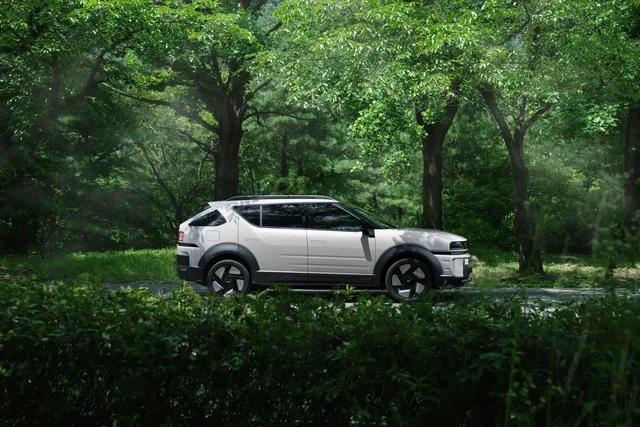
After completing these steps, perform a final check by reviewing the manufacturer's specific documentation regarding towing and payload capacities. I compared these various factors to see which model offered the best balance of size and energy management.
| Feature Category | Historical Context (2014/2019) | Market Scale (2021) |
|---|---|---|
| Model Availability | 70 to 250 models | 1 million+ units sold |
The limitation of this comparison is that it is based on historical industry growth and does not include specific 2026 model data.
- What defines 2026 large SUV EV features?
- How does EV range comparison 2026 look?
- What is the current SUV efficiency analysis?
This part also covers Top SUV EV range specs.
This part also covers Charging time vs efficiency.
Related



Comments 0