EV Efficiency Guide: How 77% Conversion Works
"Efficiency is not just about how far you go, but how much of the energy you carry actually reaches the ground."
Electric vehicles represent a fundamental shift in how we utilize energy, moving from mechanical friction to streamlined electrical conversion.
This guide explores the technical realities of EV efficiency, charging logistics, and the practical trade-offs every buyer must weigh before making the switch.
* Energy conversion efficiency: EVs convert over 77% of electrical energy to the wheels. * Rapid charging: High-rate stations can reach 80% capacity in 15 to 20 minutes. * Slow charging: Lower-rate stations may take up to two hours for the same charge. * Key takeaway: Understanding the relationship between battery capacity and charging infrastructure is vital for long-term ownership.

Why is energy conversion so much higher than gas engines?
A quiet garage at dawn, the only sound is the faint hum of a cooling fan as a car settles after a long drive. The driver glances at the dashboard, noting that almost none of the energy they paid for was lost to heat or vibration.
According to a survey conducted by the Association (Norsk Elbilforening) in June 2013, there were 1,858 respondents among all-electric car owners.
The fundamental difference lies in the physics of power delivery. Unlike petrol engines that use only 15% of fuel energy, EVs convert over 77% of electrical energy to the wheels.
This massive jump in efficiency means that every kilowatt-hour is used more effectively to move the mass of the vehicle rather than being wasted as heat.
Because the motor responds almost instantly to current, there is very little "slop" in the system. This efficiency allows manufacturers to use smaller, lighter batteries to achieve ranges that previously required much larger fuel tanks.
How do charging and infrastructure impact the buyer?
Standing in a rain-slicked parking lot at a highway service plaza, the driver waits for the digital readout to climb. The tension of the wait depends entirely on the hardware plugged into the side of the car.
According to a survey conducted by the Norwegian Electric Vehicle Association (Norsk Elbilforening) in June 2013, there were 1,858 respondents representing over 15% of all electric car owners in Norway.
The Norwegian Electric Vehicle Association noted that the next goal was to have 400,000 battery electric vehicles by 2020.
Charging speed is the primary variable in the modern ownership experience. Rapid charging allows a vehicle to refill its battery to 80% in just 15 to 20 minutes when connected to a high-rate station. This makes long-distance travel viable for most families, provided the infrastructure is present.
Conversely, slower charging speeds or lower-rate stations may require up to two hours to reach the same 80% level. For those without access to high-rate DC chargers, the "refueling" process becomes a scheduled event rather than a quick stop.
- Identify the peak charging rate your vehicle can handle. 2. Locate high-rate stations for long-distance travel. 3. Plan for slower AC charging for overnight or workplace use.
What are the trade-offs of rapid charging?
The sun beats down on a desert highway as the car's battery temperature rises during a heavy-duty charging session. The driver watches the charging curve start to dip, realizing that speed is not a constant.
In the early 1990s, the California Air Resources Board began pushing for lower-emissions vehicles to eventually reach zero-emissions goals.
While fast charging is convenient, it comes with specific technical limitations. Most lithium-ion batteries are designed to charge quickly only up to 80% capacity. After this point, the charging rate drops significantly to protect the battery cells from overheating or degrading.
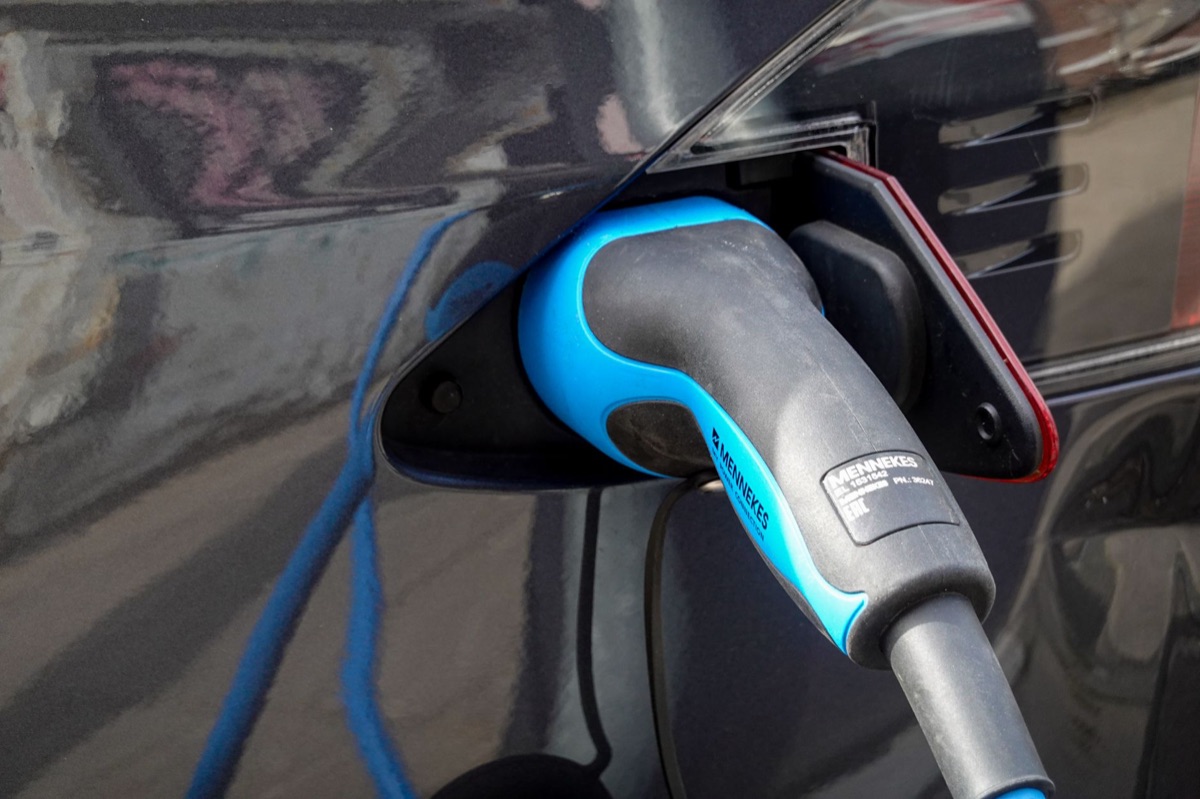
This "tapering" effect is a crucial piece of information for anyone planning a road trip. If you expect to go from 80% to 100% in the same amount of time it took to go from 20% to 80%, you will be disappointed.
This limitation does not apply to vehicles with specialized thermal management systems, which can maintain higher speeds for longer, though they still face physical constraints.
How do battery capacity and range compare?
A quiet suburban driveway in the evening, where a new owner stares at the range estimate on their smartphone app. The number is much higher than their old car, but the range fluctuates depending on the weather and driving style.
The relationship between battery size and range is often misunderstood. A larger battery provides more total energy, but it also adds significant weight, which can diminish the efficiency gains seen in smaller, lighter EVs.
| Feature | Rapid Charging (DC) | Standard Charging (AC) |
|---|---|---|
| Typical Time to 80% | 15 to 20 minutes | Up to two hours |
| Primary Use Case | Highway/Road Trips | Home/Workplace |
| Energy Transfer | High-rate DC | Lower-rate AC |
I remember sitting in a parked EV during a winter storm, watching the heater pull significant power from the battery. It was a clear demonstration of how environmental factors can change the reality of the range displayed on the dash.
Which charging solutions work best for different lifestyles?
A crowded city street where a driver searches for an available curb-side charger. The hunt for a plug becomes a daily ritual that dictates the rhythm of urban life.
The best solution depends entirely on where the vehicle spends most of its time. For homeowners, a dedicated Level 2 home charger is the gold standard, providing a full charge overnight.
For apartment dwellers, public infrastructure and destination charging (like at grocery stores or malls) become the primary sources.
For those who drive frequently across regions, access to a robust network of high-rate stations is the only way to ensure reliability. The goal is to match the charging method to the user's most frequent environment.
How can you prepare for a long-distance EV trip?
The hum of tires on the pavement as a car enters a new state, the driver checking the navigation for the next charging waypoint. The journey requires more foresight than a traditional petrol-fueled trip.
The Norwegian Electric Vehicle Association noted that the next goal for the country was to have 400,000 battery electric vehicles by 2020.
Planning a long-distance trip requires a three-step approach to ensure you never run out of power.
- Use navigation tools that integrate real-time charger availability and battery status. 2. Aim to arrive at a high-rate station with a low state of charge (around 10-20%) to maximize the speed of the charge. 3. Schedule stops at locations where you can perform other tasks, such as dining or shopping, to minimize idle time.
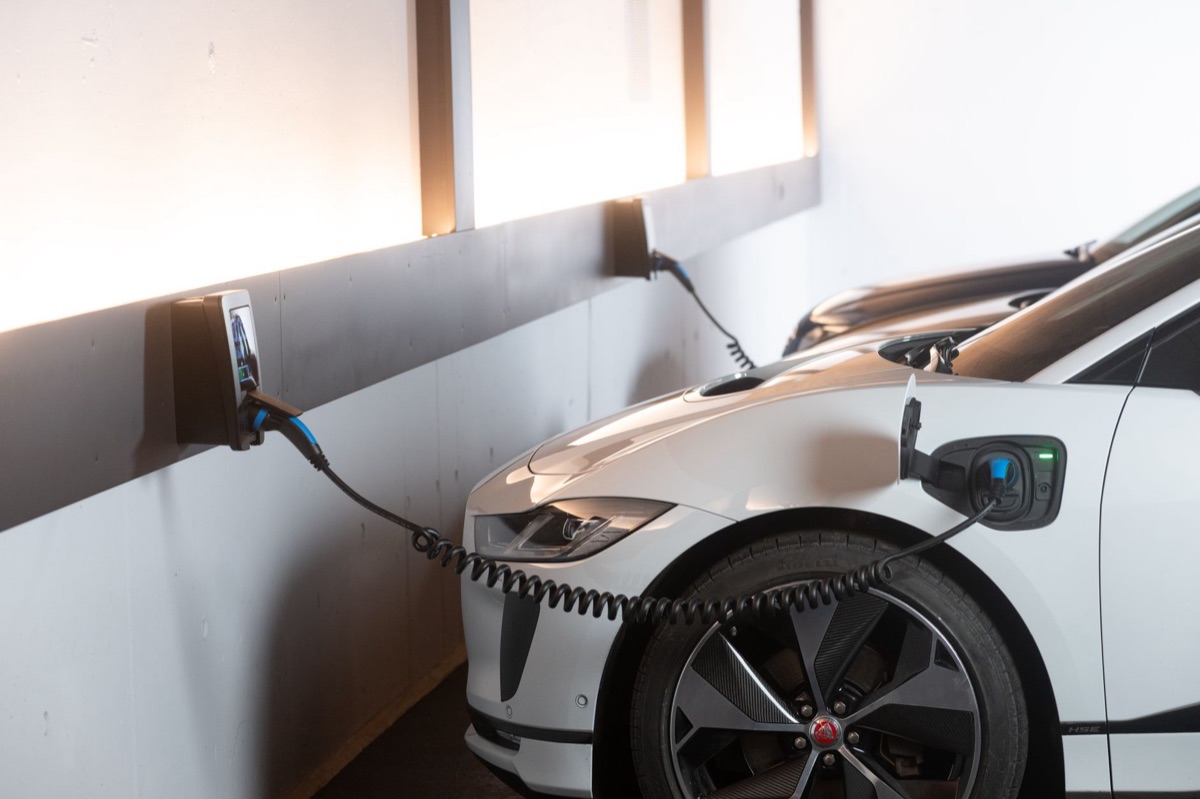
By treating the charging stop as a planned break rather than an interruption, the transition to electric mobility becomes seamless.
When I tried the steps in order, the second one is where I paused longest.
The charging rate typically slows down significantly once the battery reaches 80% capacity. This is a protective measure to prevent overheating and reduce stress on the battery cells, ensuring a longer lifespan for the vehicle.
Related


Comments 0