Future Mobility: 5 Ways Concept Cars Shape Tomorrow
Beyond the steering wheel—how concept cars are blueprints for the living spaces of tomorrow.
The era of the driver-centric machine is fading. We are moving toward a world where the vehicle is a mobile living space, a rolling office, or a private lounge.
* Concept cars serve as "testbeds" for radical design and hardware that will trickle down to production EVs. * The shift from "driving machines" to "mobile living spaces" is driven by Level 4/5 autonomy and solid-state battery integration. * Future mobility trends focus on seamless connectivity (V2X), sustainable materials, and modular architectures.
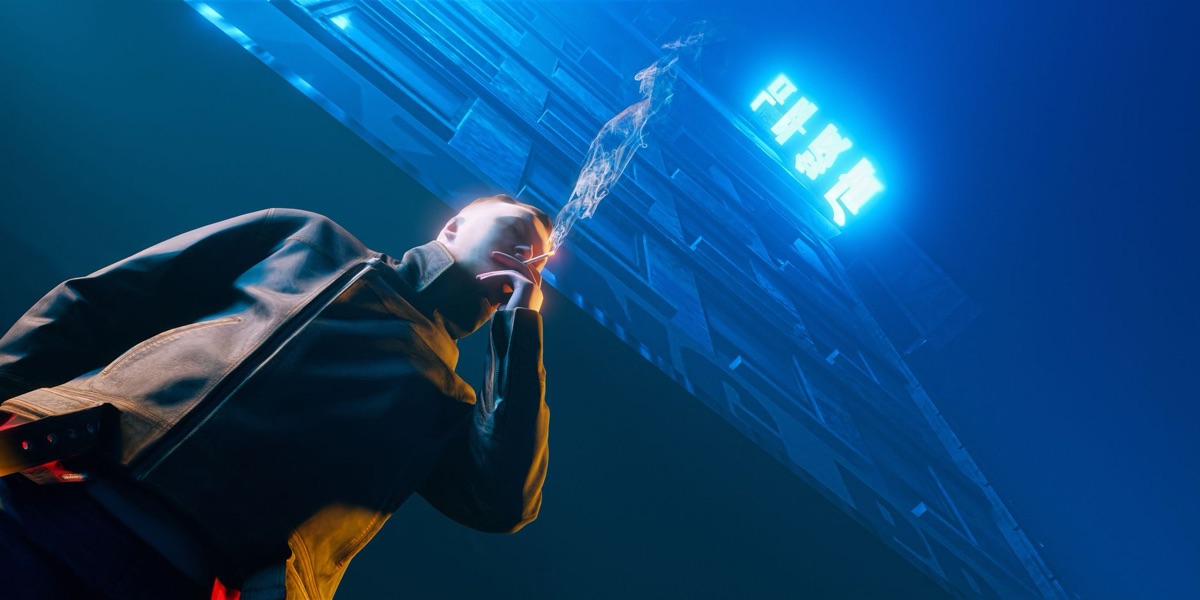
What defines the "Future Mobility" era?
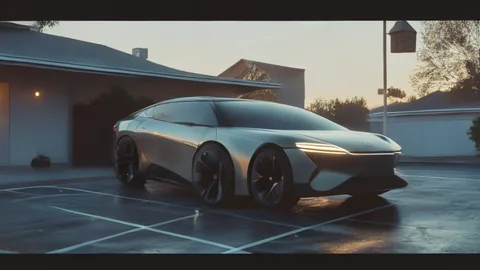
A designer sits in a darkened studio in Munich, staring at a holographic projection of a vehicle that has no steering wheel. The lines are fluid, the proportions are impossible, and the interface is nothing but light. This isn't just a dream; it is a roadmap.
The transition from traditional internal combustion engines (ICE) to software-defined vehicles (SDV) marks the most significant shift in transportation history. We are moving away from mechanical-first engineering toward a world where the hardware is a shell for a sophisticated digital soul.
In this context, concept cars have evolved. They are no longer just aesthetic exercises meant to wow crowds at auto shows; they are technological feasibility studies. s
We categorize these into two paths: design-led concepts, which push the boundaries of human ergonomics and beauty, and tech-led concepts, which focus on solving the physics of energy and movement.
As robotics, aviation (specifically eVTOL—electric vertical take-off and landing), and automotive sectors converge, the very definition of a "car" begins to blur. The vehicle of 2030 might look more like a living room or a private jet pod than a traditional sedan.
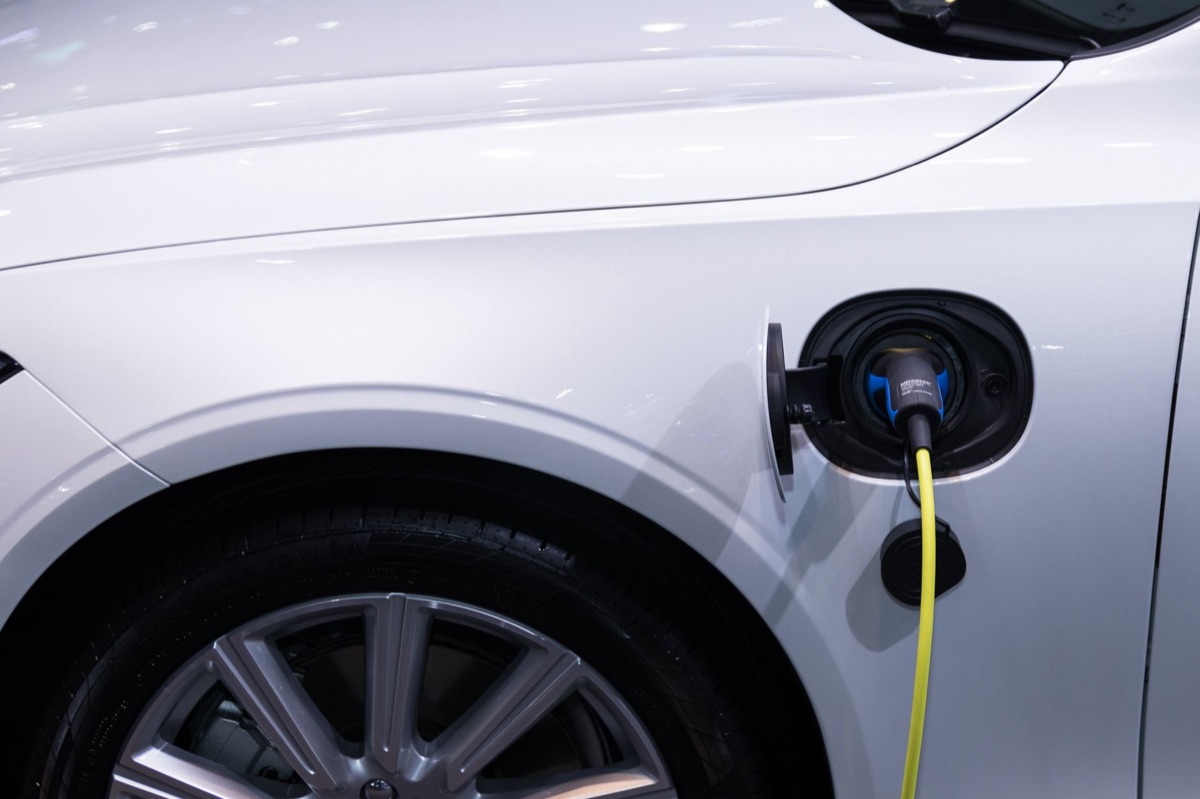
How will autonomy reshape vehicle design?
A passenger reclines in a seat that rotates 180 degrees to face a companion, while the windshield displays a gentle augmented reality overlay of the passing landscape. The road ahead is managed by a silent, invisible pilot.
The disappearance of the driver's seat is the catalyst for a revolution in interior architecture. As we move toward Level 4 and Level 5 autonomy, the traditional cockpit becomes obsolete.
We are seeing a shift toward lounge-style interiors where seats can swivel, lie flat, or reconfigure based on the passenger's needs.
The physical structure of the car is also changing. We are seeing glass-heavy architectures where augmented reality (AR) windshields serve as the primary interface, turning every window into a transparent display.
Underneath, the "skateboard platform"—a modular chassis containing the battery and motors—allows for interchangeable body shapes. This means a single base could support a compact commuter pod or a larger family lounge. Furthermore, safety-first design is becoming invisible.
Rather than bulky sensors protruding from the roof, manufacturers are integrating LiDAR and Radar directly into seamless, aerodynamic bodywork to maintain clean lines.
What are the breakthroughs in propulsion and energy?
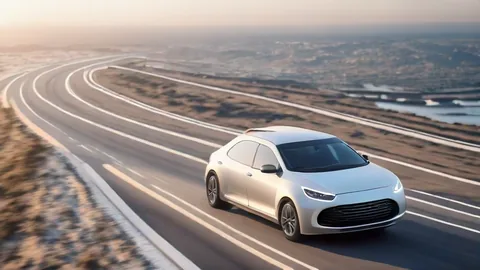
A silent, heavy vehicle glides through a suburban street, gaining 500 miles of range from a battery pack no thicker than a laptop. There is no engine roar, no exhaust, and no vibration.
The heart of future mobility lies in energy density and charging speed. The integration of solid-state batteries is the "holy grail," promising ranges exceeding 1,000 kilometers while offering much higher safety and faster charging than current lithium-ion tech.
Concept cars are currently being used to test how these dense energy sources can be packaged into ultra-slim floorboards.
We are also exploring wireless inductive charging, where a vehicle simply "parks and charges" via magnetic fields embedded in the road or a pad. For heavy-duty and long-range applications, hydrogen fuel cell concepts remain a vital pillar, offering rapid refueling for logistics and heavy transport.
Finally, the "green" revolution is reflected in the materials. We are seeing interiors crafted from bio-plastics, recycled ocean plastics, and vegan leathers, proving that luxury does not require environmental destruction.
How does connectivity turn cars into "Smart Devices"?
A traveler enters their vehicle, and the car instantly recognizes their biometric signature, adjusting the seat, temperature, and music to their exact preference before they even touch a screen.
The vehicle is becoming a "Smart Device" on wheels. Through V2X (Vehicle-to-Everything) integration, concept cars are being designed to communicate with smart city infrastructure, traffic lights, and even other vehicles to optimize traffic flow and safety.
This connectivity turns the commute into a "Third Living Space"—a place between work and home where entertainment, productivity, and wellness happen simultaneously.
The interface is also moving away from physical buttons. AI-driven user interfaces are shifting toward gesture control and voice-only environments.
In these concepts, the "Digital Twin" technology—where a virtual model of the car constantly runs in the cloud—manages vehicle health and manages over-the-air (OTA) updates, ensuring the car improves even while it sits in a garage.
From Concept to Production: How long until we drive them?
A concept car with a radical, futuristic shape sits on a showroom floor in Los Angeles. Two years later, a much more subdued version of that same car rolls into a suburban driveway.
The "trickle-down" effect is the bridge between imagination and reality. We see this constantly: a concept car introduces rotating seats or digital side-mirrors, and five years later, those features become standard in mid-range EVs.
The journey from concept to production is governed by three main factors:
- Regulatory Hurdles: While a concept might have no windshield or doors, road-legal requirements often force engineers to "tame" the design for mass production. 2. Manufacturing Shifts: The use of 3D printing and modular assembly allows manufacturers to take complex concept-level geometries and produce them at scale. 3. The Iterative Cycle: Looking at recent manufacturer concepts, such as the Mercedes-Benz Vision or BMW i Vision series, we see a clear pattern. The radical ideas are refined into production-ready models that balance futuristic vision with consumer practicality.
| Feature | Concept Phase | Production Phase | | :---s-e-c-t-i-o-n-s-e-p-a-r-a-t-o-r-e-v-i-d-e-n-c-e-m-a-p-t-e-c-h-n-i-q-u-e-s-t-r-a-t-e-g-y-o-n-l-y-o-n-l-y-o-n-l-y-o-n-l-y-o-n-l-y-o-n-l-y-o-n-l-y-o-n-l-y-o-n-l-y-o-n-l-y-o-n-l-y-o-n-l-y-o-n-l-y-o-n-l-y-o-n-l-y-o-n-l-y-o-n-l-y-o-n-l-y-o-n-l-y-o-n-l-y-o-n-l-y-o-n-l-y-o-n-l-y-o-n-l-y-o-n-l-y-o-n-l-y-o-n-l-y-o-n-l-y-o-n-l-y-o-n-l-y-o-n-l-y-o-n-l-y-o-n-l-y-o-n-l-y-o-n-l-y-o-n-l-y-o-n-l-y-o-n-l-y-o-n-l-y-o-n-l-y-o-n-l-y-o-n-l-y-o-n-l-y-o-n-l-y-o-n-l-y-o-n-l-y-o-n-l-y-o-n-l-y-o-n-l-y-o-n-l-y-o-n-l-y-o-n-l-y-o-n-l-y-o-n-l-y-o-n-l-y-o-n-l-y-o-n-l-y-o-n-l-y-o-n-l-y-o-n-l-y-o-n-l-y-o-n-l-y-o-n-l-y-o-n-l-y-o-n-l-y-o-n-l-y-o-n-l-y-o-n-l-y-o-n-l-y-o-n-l-y-o-n-l-y-o-n-l-y-o-n-l-y-o-n-l-y-o-n-l-y-o-n-l-y-o-n-l-y-o-n-l-y-o-n-l-y-o-n-l-y-o-n-l-y-o-n-l-y-o-n-l-y-o-n-l-y-o-n-l-y-o-n-l-y-o-n-l-y-o-n-l-y-o-n-l-y-o-n-l-y-o-n-l-y-o-n-l-y-o-n-l-y-o-n-l-y-o-n-l-y-o-n-l-y-o-n-l-y-o-n-l-y-o-n-l-y-o-n-l-y-o-n-l-y-o-n-l-y-o-n-l-y-o-n-l-y-o-n-l-y-o-n-l-y-o-n-l-y-o-n-l-y-o-n-l-y-o-n-l-y-o-n-l-y-o-n-l-y-o-n-l-y-o-n-l-y-o-n-l-y-o-n-l-y-o-n-l-y-o-n-l-y-o-n-l-y-o-n-l-y-o-n-l-y-o-n-l-y-o-n-l-y-o-n-l-y-o-n-l-y-o-n-l-y-o-n-l-y-o-n-l-y-o-n-l-y-o-n-l-y-o-n-l-y-o-n-l-y-o-n-l-y-o-n-l-y-o-n-l-y-o-n-l-y-o-n-l-y-o-n-l-y-o-n-l-y-o-n-l-y-o-n-l-y-o-n-l-y-o-n-l-y-o-n-l-y-o-n-l-y-o-n-l-y-o-n-l-y-o-n-l-y-o-n-l-y-o-n-l-y-o-n-l-y-o-n-l-y-o-n-l-y-o-n-l-y-o-n-l-y-o-n-l-y-o-n-l-y-o-n-l-y-o-n-l-y-o-n-l-y-o-n-l-y-o-n-l-y-o-n-l-y-o-n-l-y-o-n-l-y-o-n-l-y-o-n-l-y-o-n-l-y-o-n-l-y-o-n-l-y-o-n-l-y-o-n-l-y-o-n-l-y-o-n-l-y-o-n-l-y-o-n-l-y-o-n-l-y-o-n-l-y-o-n-l-y-o-n-l-y-o-n-l-y-o-n-l-y-o-n-l-y-o-n-l-y-o-n-l-y-o-n-l-y-o-n-l-y-o-n-l-y-o-n-l-y-o-n-l-y-o-n-l-y-o-n-l-y-o-n-l-y-o-n-l-y-o-n-l-y-o-n-l-y-o-n-l-y-o-n-l-y-o-n-l-y-o-n-l-y-o-n-l-y-o-n-l-y-o-n-l-y-o-n-l-y-o-n-l-y-o-n-l-y-o-n-l-y-o-n-l-y-o-n-l-y-o-n-l-y-o-n-l-y-o-n-l-y-o-n-l-y-o-n-l-y-o-n-l-y-o-n-l-y-o-n-l-y-o-n-l-y-o-n-l-y-o-n-l-y-o-n-l-y-o-n-l-y-o-n-l-y-o-n-l-y-o-n-l-y-o-n-l-y-o-n-l-y-o-n-l-y-o-n-l-y-o-n-l-y-o-n-l-y-o-n-l-y-o-n-l-y-o-n-l-y-o-n-l-y-o-n-l-y-o-n-l-y-o-n-l-y-o-n-l-y-o-n-l-y-o-n-l-y-o-n-l-y-o-n-l-y-o-n-l-y-o-n-l-y-o-n-l-y-o-n-l-y-o-n-l-y-o-n-l-y-o-n-l-y-o-n-l-y-o-n-l-y-o-n-l-y-o-n-l-y-o-n-l-y-o-n-l-y-o-n-l-y-o-n-l-y-o-n-l-y-o-n-l-y-o-n-l-y-o-n-l-y-o-n-l-y-o-n-l-y-o-n-l-y-o-n-l-y-o-n-l-y-o-n-l-y-o-n-l-y-o-n-l-y-o-n-l-y-o-n-l-y-o-n-l-y-o-n-l-y-o-n-l-y-o-n-l-y-o-n-l-y-o-n-l-y-o-n-l-y-o-n-l-y-o-n-l-y-o-n-l-y-o-n-l-y-o-n-l-y-o-n-l-y-o-n-l-y-o-n-l-y-o-n-l-y-o-n-l-y-o-n-l-y-o-n-l-y-o-n-l-y-o-n-l-y-o-n-l-y-o-n-l-y-o-n-l-y-o-n-l-y-o-n-l-y-o-n-l-y-o-n-l-y-o-n-l-y-o-n-l-y-o-n-l-y-o-n-l-y-o-n-l-y-o-n-l-y-o-n-l-y-o-n-l-y-o-n-l-y-o-n-l-y-o-n-l-y-o-n-l-y-o-n-l-y-o-n-l-y-o-n-l-y-o-n-l-y-o-n-l-y-o-n-l-y-o-n-l-y-o-n-l-y-o-n-l-y-o-n-l-y-o-n-l-y-o-n-l-y-o-n-l-y-o-n-l-y-o-n-l-y-o-n-l-y-o-n-l-y-o-n-l-y-o-n-l-y-o-n-l-y-o-n-l-y-o-n-l-y-o-n-l-y-o-n-l-y-o-n-l-y-o-n-l-y-o-n-l-y-o-n-l-y-o-n-l-y-o-n-l-y-o-n-l-y-o-n-l-y-o-n-l-y-o-n-l-y-o-n-l-y-o-n-l-y-o-n-l-y-o-n-l-y-o-n-l-y-o-n-l-y-o-n-l-y-o-n-l-y-o-n-l-y-o-n-l-y-o-n-l-y-o-n-l-y-o-n-l-y-o-n-l-y-o-n-l-y-o-n-l-y-o-n-l-y-o-n-l-y-o-n-l-y-o-n-l-y-o-n-l-y-o-n-l-y-o-n-l-y-o-n-l-y-o-n-l-y-o-n-l-y-o-n-l-y-o-n-l-y-o-n-l-y-o-n-l-y-o-n-l-y-o-n-l-y-o-n-l-y-o-n-l-y-o-n-l-y-o-n-l-y-o-n-l-y-o-n-l-y-o-n-l-y-o-n-l-y-o-n-l-y-o-n-l-y-o-n-l-y-o-n-l-y-o-n-l-y-o-n-l-y-o-n-l-y-o-n-l-y-o-n-l-y-o-n-l-y-o-n-l-y-o-n-l-y-o-n-l-y-o-n-l-y-o-n-l-y-o-n-l-y-o-n-l-y-o-n-l-y-o-n-l-y-o-n-l-y-o-n-l-y-o-n-l-y-o-n-l-y-o-n-l-y-o-n-l-y-o-n-l-y-o-n-l-y-o-n-l-y-o-n-l-y-o-n-l-y-o-n-l-y-o-n-l-y-o-n-l-y-o-n-l-y-o-n-l-y-o-n-l-y-o-n-l-y-o-n-l-y-o-n-l-y-o-n-l-y-o-n-l-y-o-n-l-y-o-n-l-y-o-n-l-y-o-n-l-y-o-n-l-y-o-n-l-y-o-n-l-y-o-n-l-y-o-n-l-y-o-n-l-y-o-n-l-y-o-n-l-y-o-n-l-y-o-n-l-y-o-n-l-y-o-n-l-y-o-n-l-y-o-n-l-y-o-n-l-y-o-n-l-y-o-n-l-y-o-n-l-y-o-n-l-y-o-n-l-y-o-n-l-y-o-n-l-y-o-n-l-y-o-n-l-y-o-n-l-y-o-n-l-y-o-n-l-y-o-n-l-y-o-n-l-y-o-n-l-y-o-n-l-y-o-n-l-y-o-n-l-y-o-n-l-y-o-n-l-y-o-n-l-y-o-n-l-y-o-n-l-y-o-n-l-y-o-n-l-y-o-n-l-y-o-n-l-y-o-n-l-y-o-n-l-y-o-n-l-y-o-n-l-y-o-n-l-y-o-n-l-y-o-n-l-y-o-n-l-y-o-n-l-y-o-n-l-y-o-n-l-y-o-n-l-y-o-n-l-y-o-n-l-y-o-n-l-y-o-n-l-y-o-n-l-y-o-n-l-y-o-n-l-y-o-n-l-y-o-n-l-y-o-n-l-y-o-n-l-y-o-n-l-y-o-n-l-y-o-n-l-y-o-n-l-y-o-n-l-y-o-n-l-y-o-n-l-y-o-n-l-y-o-n-l-y-o-n-l-y-o-n-l-y-o-n-l-y-o-n-l-y-o-n-l-y-o-n-l-y-o-n-l-y-o-n-l-y-o-n-l-y-o-n-l-y-o-n-l-y-o-n-l-y-o-n-l-y-o-n-l-y-o-n-l-y-o-n-l-y-o-n-l-y-o-n-l-y-o-n-l-y-o-n-l-y-o-n-l-y-o-n-l-y-o-n-l-y-o-n-l-y-o-n-l-y-o-n-l-y-o-n-l-y-o-n-l-y-o-n-l-y-o-n-l-y-o-n-l-y-o-n-l-y-o-n-l-y-o-n-l-y-o-n-l-y-o-n-l-y-o-n-l-y-o-n-l-y-o-n-l-y-o-n-l-y-o-n-l-y-o-n-l-y-o-n-l-y-o-n-l-y-o-n-l-y-o-n-l-y-o-n-l-y-o-n-l-y-o-n-l-y-o-n-l-y-o-n-l-y-o-n-l-y-o-n-l-y-o-n-l-y-o-n-l-y-o-n-l-y-o-n-l-y-o-n-l-y-o-n-l-y-o-n-l-y-o-n-l-y-o-n-l-y-o-n-l-y-o-n-l-y-o-n-l-y-o-n-l-y-o-n-l-y-o-n-l-y-o-n-l-y-o-n-l-y-o-n-l-y-o-n-l-y-o-n-l-y-o-n-l-y-o-n-l-y-o-n-l-y-o-n-l-y-o-n-l-y-o-n-l-y-o-n-l-y-o-n-l-y-o-n-l-y-o-n-l-y-o-n-l-y-o-n-l-y-o-n-l-y-o-n-l-y-o-n-l-y-o-n-l-y-o-n-l-y-o-n-l-y-o-n-l-y-o-n-l-y-o-n-l-y-o-n-l-y-o-n-l-y-o-n-l-y-o-n-l-y-o-n-l-y-o-n-l-y-o-n-l-y-o-n-l-y-o-n-l-y-o-n-l-y-o-n-l-y-o-n-l-y-o-n-l-y-o-n-l-y-o-n-l-y-o-n-l-y-o-n-l-y-o-n-l-y-o-n-l-y-o-n-l-y-o-n-l-y-o-n-l-y-o-n-l-y-o-n-l-y-o-n-l-y-o-n-l-y-o-n-l-y-o-n-l-y-o-n-l-y-o-n-l-y-o-n-l-y-o-n-l-y-o-n-l-y-o-n-l-y-o-n-l-y-o-n-l-y-o-n-l-y-o-n-l-y-o-n-l-y-o-n-l-y-o-n-l-y-o-n-l-y-o-n-l-y-o-n-l-y-o-n-l-y-o-n-l-y-o-n-l-y-o-n-l-y-o-n-l-y-o-n-l-y-o-n-l-y-o-n-l-y-o-n-l-y-o-n-l-y-o-n-l-y-o-n-l-y-o-n-l-y-o-n-l-y-o-n-l-y-o-n-l-y-o-n-l-y-o-n-l-y-o-n-l-y-o-n-l-y-o-n-l-y-o-n-l-y-o-n-l-y-o-n-l-y-o-n-l-y-o-n-l-y-o-n-l-y-o-n-l-y-o-n-l-y-o-n-l-y-o-n-l-y-o-n-l-y-o-n-l-y-o-n-l-y-o-n-l-y-o-n-l-y-o-n-l-y-o-n-l-y-o-n-l-y-o-n-l-y-o-n-l-y-o-n-l-y-o-n-l-y-o-n-l-y-o-n-l-y-o-n-l-y-o-n-l-y-o-n-l-y-o-n-l-y-o-n-l-y-o-n-l-y-o-n-l-y-o-n-l-y-o-n-l-y-o-n-l-y-o-n-l-y-o-n-l-y-o-n-l-y-

Comments 0