What are the future charging tactics for efficiency?
"The transition to electric mobility is no longer a distant vision but a measurable shift in how we power our journeys."
Effective 2026 EV charging strategies involve balancing home infrastructure, public rapid charging, and regional grid efficiency to maximize vehicle utility. This guide covers market trends, regulatory requirements, and infrastructure planning to help owners navigate the evolving landscape. 1. Understanding regional emission factors and grid impact. 2. Navigating regulatory standards for noise and emissions. 3. Utilizing historical tax incentives and future planning. * Managing charging infrastructure based on market growth.
How do we plan for 2026 EV charging strategies?
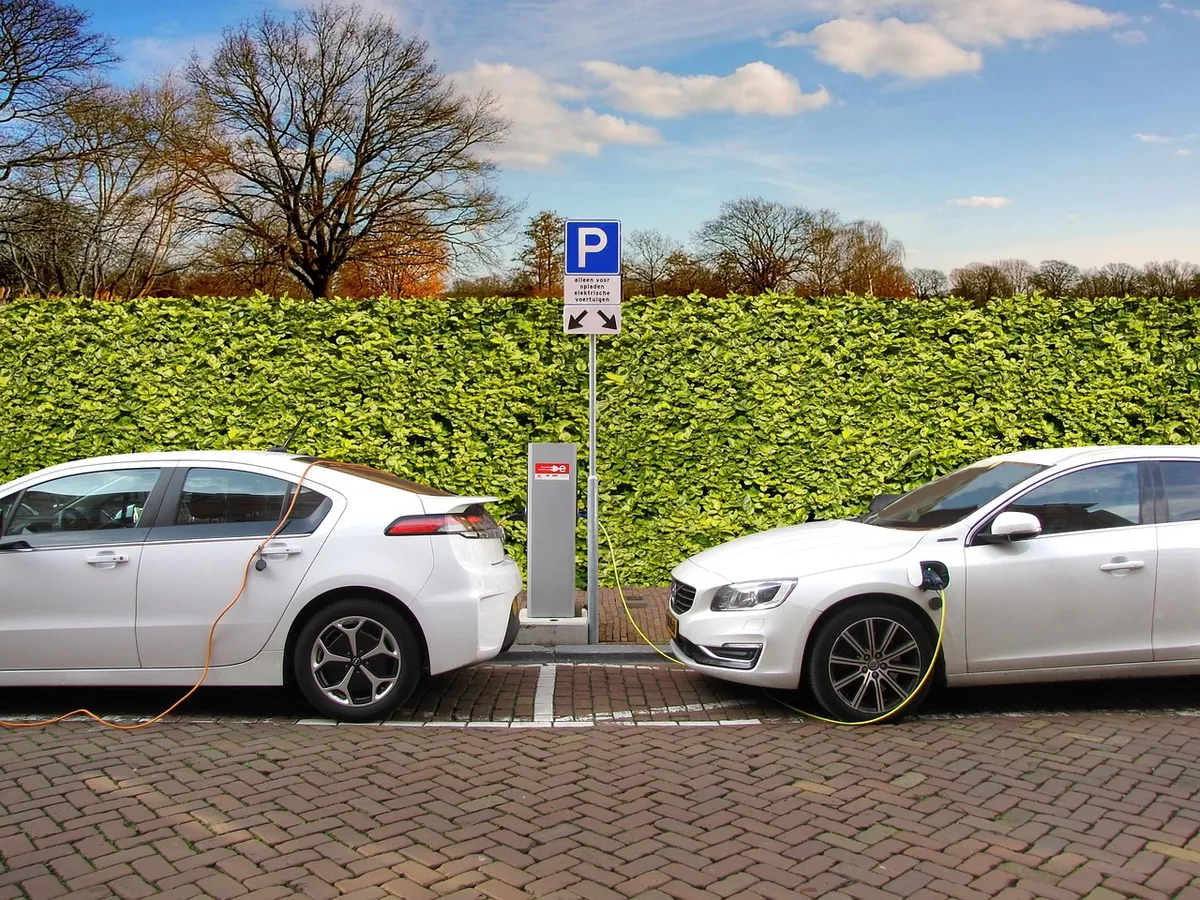
At twilight in the quiet garage, I pull the heavy cable tight while sketching out a blueprint for the future.
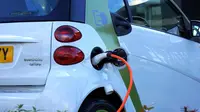
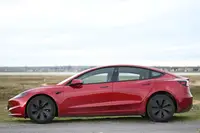
A driver pulls a sleek sedan into a residential garage, plugging in the heavy cable with a rhythmic click. Developing 2026 EV charging strategies requires looking at both the vehicle's energy needs and the local power grid's capacity.
Efficient energy management relies on understanding how electricity is produced in your specific area. According to the EPA, electricity GHG emission factors vary significantly by region, ranging from 346 g CO2/kWh in California to 986 g CO2/kWh in the Rockies.
Planning for the future means accounting for these regional differences to ensure the cleanest possible charge. Using these insights helps owners choose between slow overnight charging and rapid public sessions.
How will growing markets charge in 2026?
Standing in the crowded city plaza at noon, I squint against the bright sun while contemplating the future of rapid power delivery.
A technician inspects a high-speed charging pedestal in a busy metropolitan parking lot. Exploring 2026 charging methods involves observing how rapidly the vehicle fleet is expanding across different territories.
The shift toward electric mobility is evident in the rising market share of plug-in passenger cars. This share grew from 0.14% in 2011 to a record 9.1% in 2023.
As more drivers adopt these technologies, the demand for diverse charging solutions will intensify. This growth necessitates a mix of residential and commercial infrastructure to prevent bottlenecks.
How do EV charging plans 20pi work with regulations?
A government inspector walks through a manufacturing plant, checking compliance with new safety standards. Developing EV charging plans 2026 requires staying informed about the legal frameworks that govern vehicle design and sound.
According to the National Highway Traffic Safety Administration, all hybrids and EVs must emit artificial noise when idling, accelerating to 19 mph (30 km/h) or going in reverse by September 2019.
Safety regulations often influence how vehicles interact with their surroundings during operation.
These rules ensure that the quiet nature of electric motors does not compromise pedestrian safety. Compliance with such standards is a fundamental part of modern vehicle ownership.
What are the best ways to charge efficiently?
A homeowner looks at a digital dashboard showing the energy flow from a solar array to a car. Identifying future charging tactics involves optimizing the cost and environmental impact of every kilowatt-hour used.
Eligible vehicles include only new Air Resources Board-certified or approved zero-emission or plug-in hybrid electric vehicles, according to the Air Resources Board.
Efficiency is influenced by the source of the electricity used to charge the battery. Since coal use nationwide fell by about 5% between 2010 and 2014, actual efficiency in those years was expected to be better than some earlier studies suggested.
Smart charging allows users to time their sessions when the grid is cleanest or cheapest. This strategic approach helps mitigate the impact of varying emission factors.
How can we manage next gen charge ways in the home?
A family gathers around a kitchen island while a car charges quietly in the driveway outside. Implementing next gen charge ways often begins with establishing a reliable home-based charging station.
Historically, government incentives helped facilitate this transition for many early adopters. Until 2010, there was a federal tax credit equal to 50% of the cost to buy and install a home-based charging station, with a maximum credit of US$2,000 for each station.
Building a strong home foundation ensures that the vehicle is always ready for daily commutes. This setup serves as the backbone of a reliable electric mobility lifestyle.
What are the limitations of current charging infrastructure?
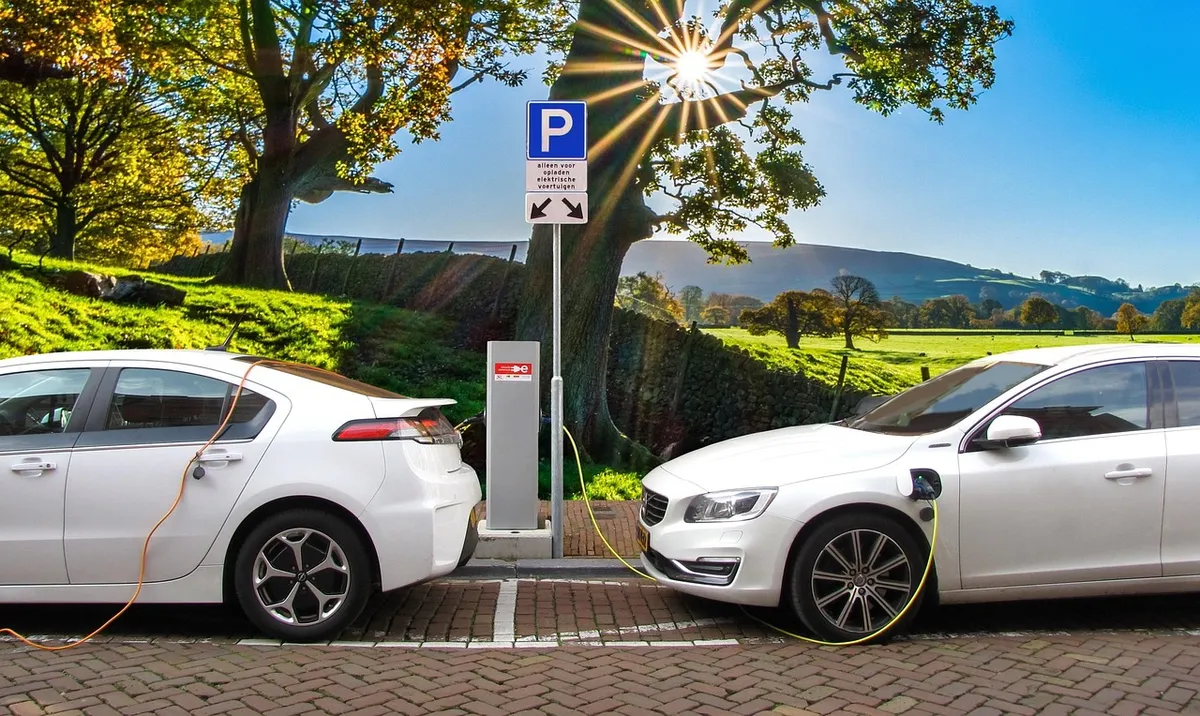
A driver waits patiently by a charging station as a heavy rain falls on the pavement. A limitation of planning is that regional grid capacity and local regulations can vary wildly, making a single universal strategy difficult to apply.
| Metric | Value |
|---|---|
| 2023 Market Share | 9.1% |
| California 2021 Stock | 1 million cars |
I found that checking local utility rates is just as important as checking the vehicle's range. A limitation of these strategies is that they are subject to specific regional availability and local energy production levels.
This part also covers Fast charging solutions 2026.
This part also covers Home charging setup guide.
This part also covers Grid integration for EVs.
Fast charging solutions 2026
Related
- How do consumer needs shape the future charging outlook?
- How can we EV charging now to previous years?: 4 hours
When is the transition most challenging?
The transition to electric mobility presents unique hurdles when scaling up infrastructure. Successfully navigating these challenges requires coordinating home charging habits with the wider regional power generation mix.
This coordination is vital for minimizing the overall carbon footprint associated with the vehicle's operation.
How does the grid affect the transition?
The regional grid's emission factors directly dictate the environmental cost of the charging cycle. For example, charging in a region with a cleaner grid yields a lower overall carbon footprint than charging in a region heavily reliant on fossil fuels for power generation.
This comparison underscores the importance of location awareness for the owner.
What cautions apply to the charging process?
Owners must remain mindful of the operational constraints imposed by local laws and physical limitations. For instance, the noise emission standards set by the NHTSA apply regardless of the vehicle's operational state, including idling or reversing.
This adherence to sound ordinances is a crucial element of responsible modern vehicle ownership.



Comments 0