What factors influence the modern range expectation?
"The transition to zero-emissions technology has moved from a niche regulatory goal to a global market reality involving millions of vehicles."
The 2026 EV range standard is shaped by the massive expansion of available models and the historical push toward zero-emissions technology.
Consumers looking for reliable travel should focus on how current market volume and technological history define what constitutes an acceptable driving distance.
Key takeaways: 1. Rapidly increasing model availability defines the modern market. * Regulatory history in regions like California set the stage for current standards. * Global sales volume reflects the transition from early adopters to mass-market utility.
How has the market evolved to reach a 2026 EV range standard?
Standing on the bright showroom floor, the salesperson gestures toward the growing fleet of cars to explain how various market factors shifted the landscape.
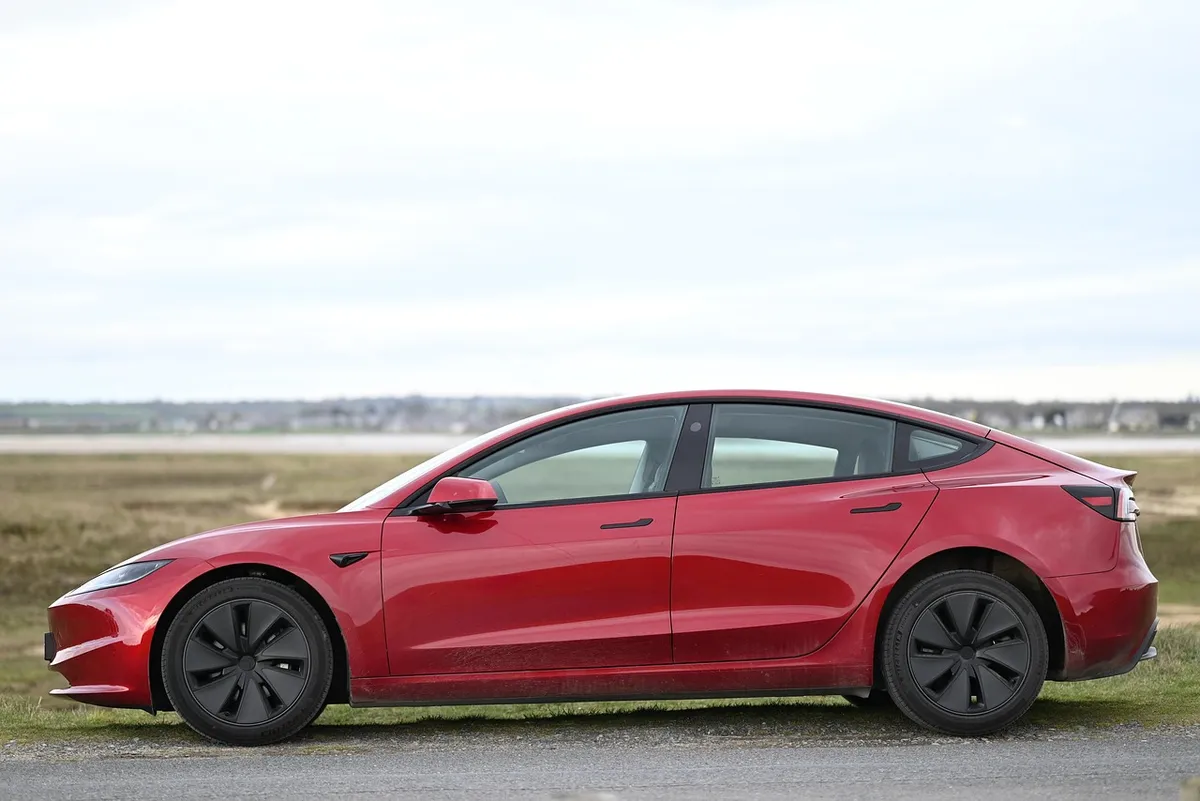
A salesperson points to a lineup of various electric models on a bright showroom floor, noting how the selection has grown significantly over the years. The 2026 EV range standard is built upon a foundation of much higher variety than what drivers faced a decade ago.
According to the International Energy Agency, there were about 250 models of highway-capable plug-in electric passenger cars available for sale in the world as of December 2019, which was an increase from 70 models in 2014.
This growth in variety ensures that today's drivers have much more choice regarding distance and performance. This expanding selection makes a reliable 2026 EV range standard easier to achieve through competitive engineering.
What historical goals shaped the 2026 EV range standard?
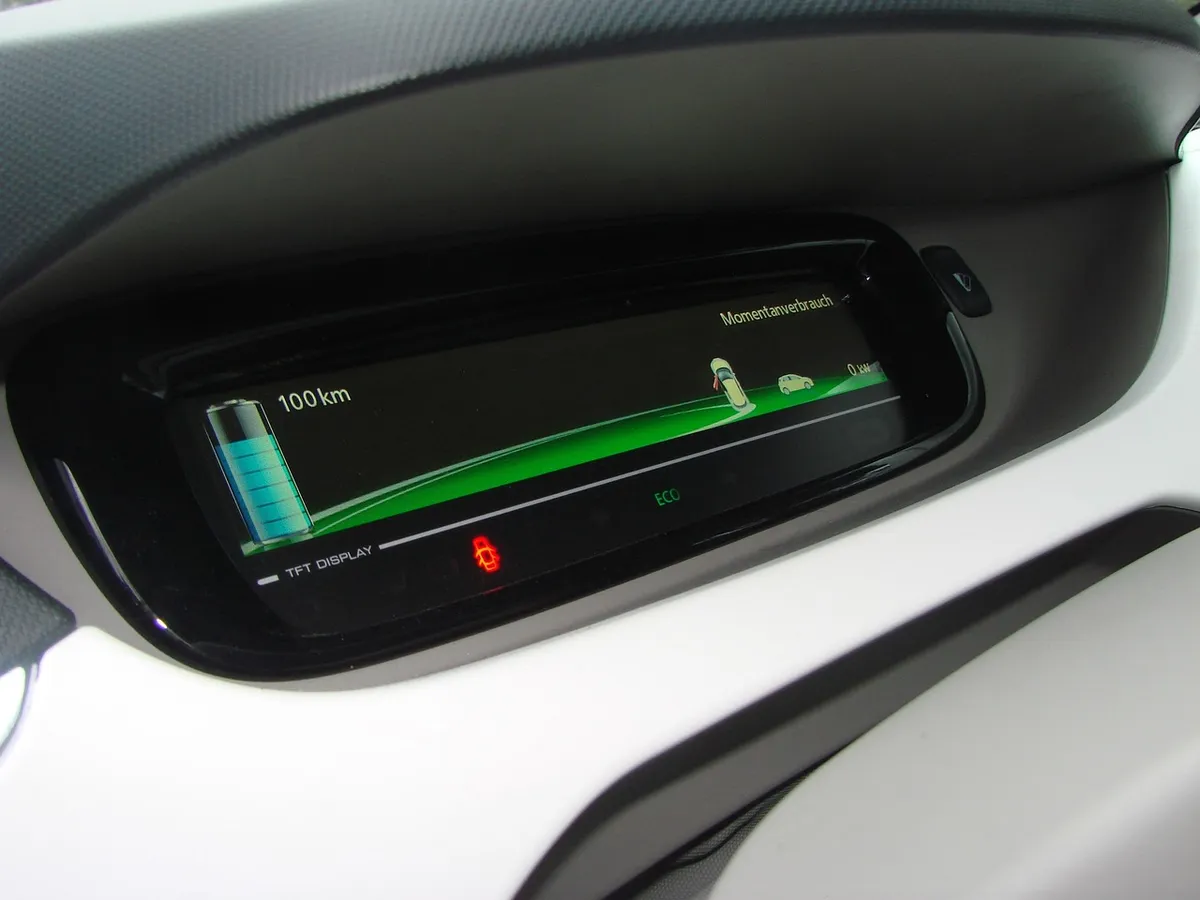
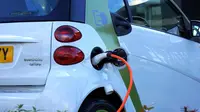
A technician adjusts a charging cable in a workshop, recalling the early days of strict emission regulations that forced manufacturers to innovate. The current expectations for battery capacity and efficiency are rooted in much older environmental mandates.
According to the California Air Resources Board, the agency began pushing for more fuel-efficient, lower-emissions vehicles in the early 1990s to eventually move toward zero-emissions vehicles such as electric vehicles.
In the early 1990s, the California Air Resources Board (CARB) began a push for more fuel-efficient, lower-emissions vehicles. The ultimate goal of this agency was to move toward zero-emissions vehicles such as electric vehicles.
These early regulatory efforts established the groundwork for the high-performance expectations seen in the current market.
How do global sales reflect the 2026 EV range standard?
An analyst reviews a spreadsheet showing rising sales curves, noting how the sheer volume of vehicles on the road validates modern battery technology. The 2026 EV range standard is essentially a reflection of these massive global adoption numbers.
As reported by the Nissan Alliance, the Renault–Nissan Alliance reached global sales of 100,000 all-electric vehicles in July 2013.
The Renault–Nissan–Mitsubishi Alliance was listed as one of major all-electric vehicle manufacturers as of December 2021. This group saw global all-electric vehicle sales totaling over 1 million light-duty electric vehicles, including those manufactured by Mitsubishi Motors since 2009.
Such high volume proves that the technological requirements for a standard range are being met by mass production.
What can we learn from the 2026 EV range standard history?
A driver pulls into a charging station, reflecting on how far the industry has come since the first mass-market electric models appeared. Understanding the timeline helps clarify why current range expectations are so much higher than they used to be.
| Milestone Year | Contextual Event |
|---|---|
| July 2013 | The Renault–Nissan Alliance reached global sales of 100,000 all-electric vehicles. |
| December 2021 | Alliances reached over 1 million light-duty electric vehicle sales. |
I remember looking at the sales figures from 2013 and thinking how much more common these vehicles would become. The jump from 100,000 units to over 1 million units shows the scale of change.
How to evaluate a vehicle against the 2026 EV range standard?
A buyer walks through a dealership, comparing different spec sheets to see which vehicle meets their weekly mileage needs. Evaluating a car requires looking at both the manufacturer's history and the specific battery capabilities.
- Review the total available models in the current market to understand the variety of range options. 2. Check the historical reliability of the manufacturer's electric fleet. 3. Compare the vehicle's specific energy efficiency against the broad market availability. 4. Perform a final check of the charge speed and highway capability.
A limitation of using historical sales data to predict future standards is that it only reflects past adoption rather than specific battery energy density.
- How has the market evolved to reach a 2026 EV range standard?
- What historical goals shaped the 2026 EV range standard?
- How do global sales reflect the 2026 EV range standard?
The same subject is also called 2026 electric range goal.
The same subject is also called expected EV range 2026.
The same subject is also called new range standard 2026.
The same subject is also called future EV range metric.
This part also covers compare 2026 EV ranges.
This part also covers top models range 2026.
This part also covers achievable EV range 2026.
compare 2026 EV ranges
Related
- How did the variety of electric vehicles change?: 30 km
- What 160 km is the difference between EREVs and PHEVs?
How does the transition to zero-emissions technology compare to past mandates?
The current market reality of zero-emissions technology contrasts sharply with the initial regulatory push from bodies like CARB.
The early environmental mandates, which began in the early 1990s, aimed for fuel efficiency and lower emissions, setting the initial direction toward zero-emissions vehicles. This initial goal was the conceptual ancestor of today's high-performance expectations for battery capacity.
The global market volume demonstrates the successful scaling of this transition. The initial push from regulators established the need for cleaner options, and the subsequent sales figures show the market has responded to that initial pressure.
The shift from niche regulatory goal to global market reality required this sustained, long-term commitment to the transition.
What factors influence the modern range expectation?
The modern range expectation is a product of engineering advancements responding to market demands. The variety of models available today, which grew from 70 in 2014 to 250 in 2019, allows for diverse performance profiles.
This increased selection makes achieving a high standard range achievable through competitive engineering efforts.
The global sales data provides tangible proof of this viability. The sustained adoption seen by manufacturers like the Renault–Nissan–Mitsubishi Alliance confirms that the technology required to meet high range expectations is scalable for mass production.
This successful scaling validates the engineering behind the 2026 EV range standard.



Comments 0