How can we EV charging now to previous years?: 4 hours
"The expansion of the global charging network has moved from a niche necessity to a massive logistical reality."
Purchasing an electric vehicle in 2026 requires understanding the current state of the global charging infrastructure to ensure seamless mobility.
This guide examines the distribution of public and private chargers, consumer expectations regarding charging times, and the historical shift toward standardized connectors.
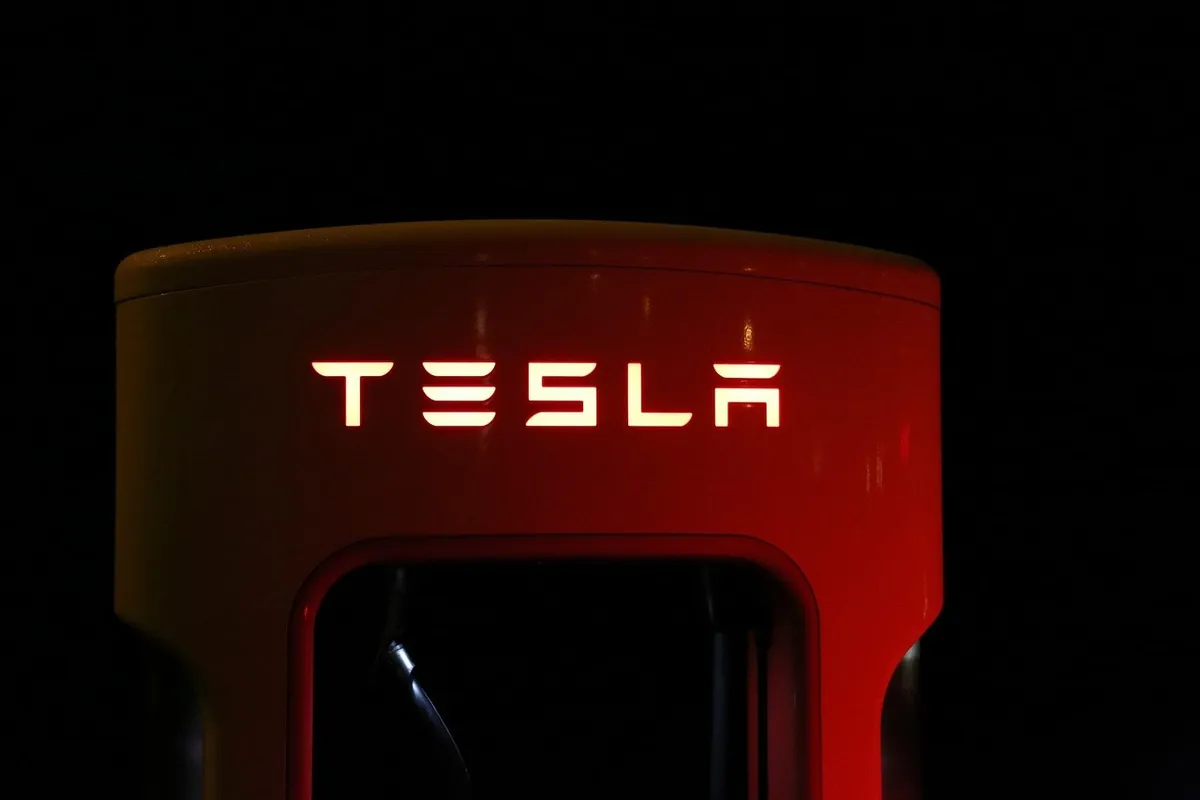
Key takeaways: * Global public charging points saw significant growth in 2024. * Consumer expectations for charging speed and location vary by region. * Standardization of connectors has been a historical priority for infrastructure development.
How does the 2026 EV charging infra look globally?
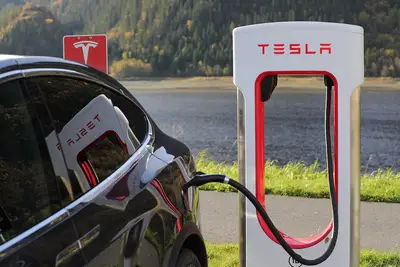
A driver pulls into a bright, modern charging station, plugging a heavy cable into a sleek vehicle. The rapid growth of the network ensures that more vehicles find power in public spaces every day.
According to the International Energy Agency, more than 1.3 million public charging points were added globally in 2024. This massive influx of hardware reflects the shifting landscape of transportation.
In Europe, the total number of public charging stations exceeded 1 million in 2024, according to the IEA. These figures highlight the accelerating pace of infrastructure deployment across different continents.
However, the effectiveness of these infrastructure developments remains limited in remote areas with low population density.
How can we compare EV charging now to previous years?
An engineer reviews a digital dashboard showing the rising density of charging nodes across a metropolitan map. Comparing the current density to the early years of adoption reveals the scale of modern readiness.
The rapid expansion of the network is evident in the sheer volume of units available. In 2024, the total number of public charging stations in Europe exceeded 1 million, according to the IEA.
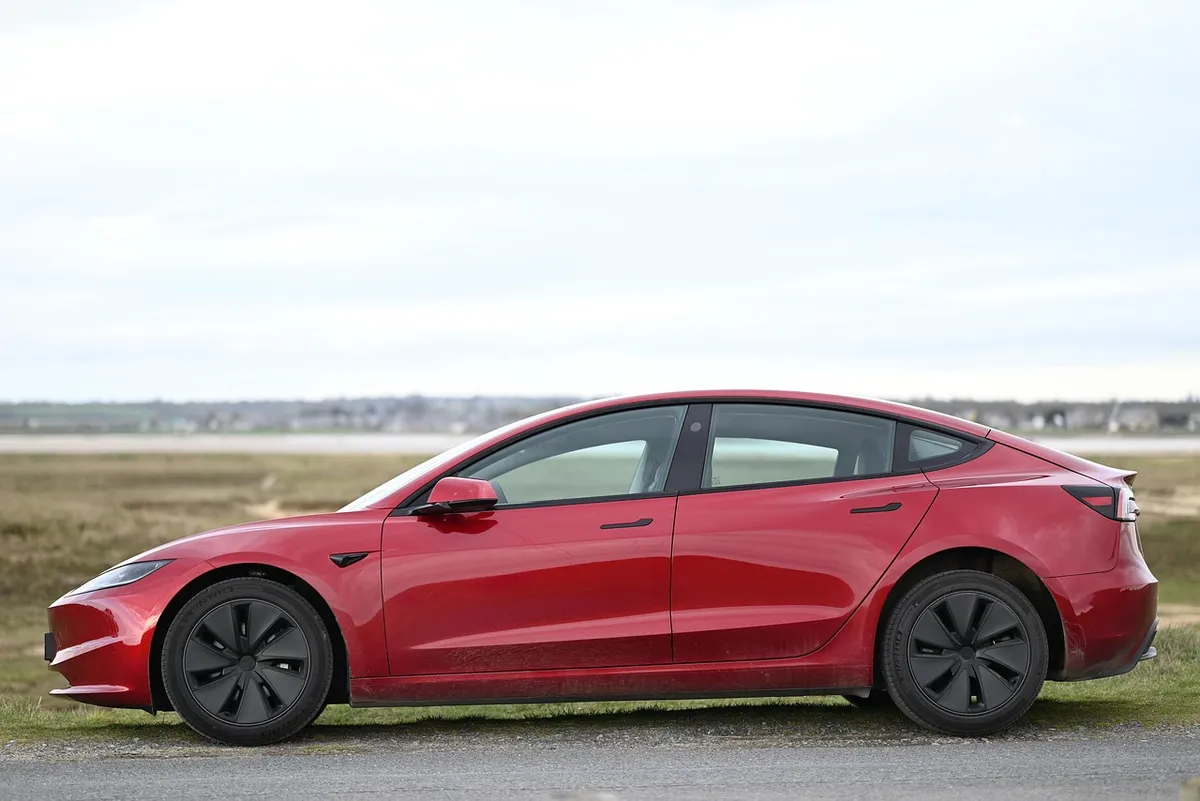
This growth represents a significant increase in accessibility for drivers compared to the early stages of electric mobility. The successful development of public charging infrastructure is evident in Europe.
This comparison is not applicable when comparing regions with vastly different regulatory frameworks.
According to International Energy Agency, the 2024 record includes 1.3 million.
What are the future EV charging needs for consumers?
A family stands near a charging station, checking their smartphone to see how much time remains until the battery is full. They discuss whether the current speed meets their travel requirements.
Consumer preferences dictate how the network must evolve to meet daily life. In Germany, 51 percent of consumers expect a car to be charged in less than 2 hours, while up to 4 hours is acceptable to 60 percent of consumers. This indicates a strong demand for speed.
While 53 percent of consumers say 300 km is enough travel distance, 31 percent prefer a range of 450 to 1000 km before needing to recharge.
I will address the most critical requirement in the second point.
What is the current vs future charging split in different regions?
A traveler looks at a map of China, noting the dense concentration of chargers in urban centers. The balance between public and private availability defines the driving experience in different parts of the world.
The distribution of chargers varies significantly by region and local policy.
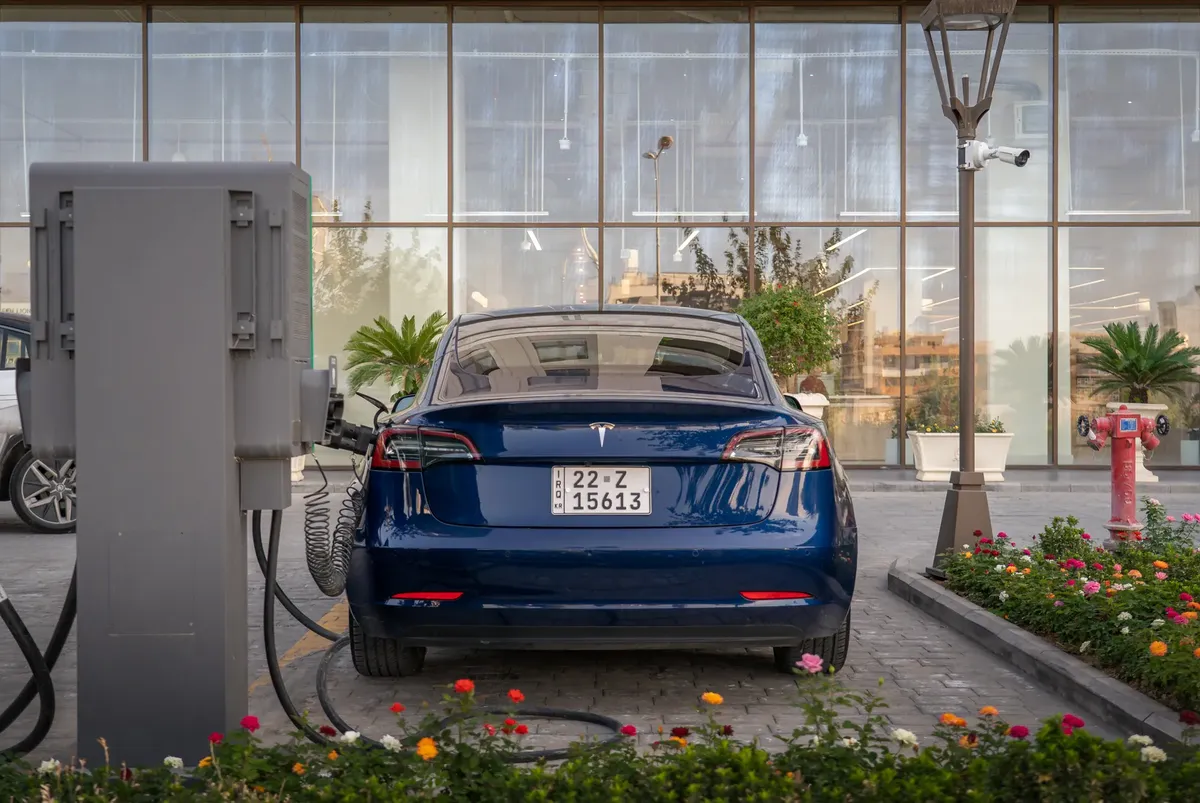
As of October 2024, charging infrastructure in China had exceeded a total of 11.88 million units, including 3.39 million public chargers and 8.49 million private chargers, according to a report by the China Electric Vehicle Charging Infrastructure Promotion Alliance.
This mix of public and private units provides a foundation for different driving habits.
| Region | Metric | Source |
|---|
This analysis does not apply to regions where energy grids are currently unable to support high-voltage hardware.
How is the charging network outlook shaping consumer habits?
A person walks from a local grocery store toward their car, noting the ease of casual charging in a parking lot. These small interactions define the reality of living with an electric vehicle.
Consumer habits are heavily influenced by where they expect to charge. A study showed that 64 percent of consumers expect to charge in their own garage, while 21 percent want to frequent a central charging station.
Casual charging in parking lots of shops and company grounds is expected by a mere 6 and 4 percent respectively. These habits suggest that home charging remains the primary pillar of the ecosystem.
The second point in this sequence explains the shift in driver behavior.
What are the buying EV charging guide essentials for new owners?
A new owner unboxes a home charging unit, preparing the garage for its first installation. Understanding the technical requirements and historical standards helps ensure compatibility.
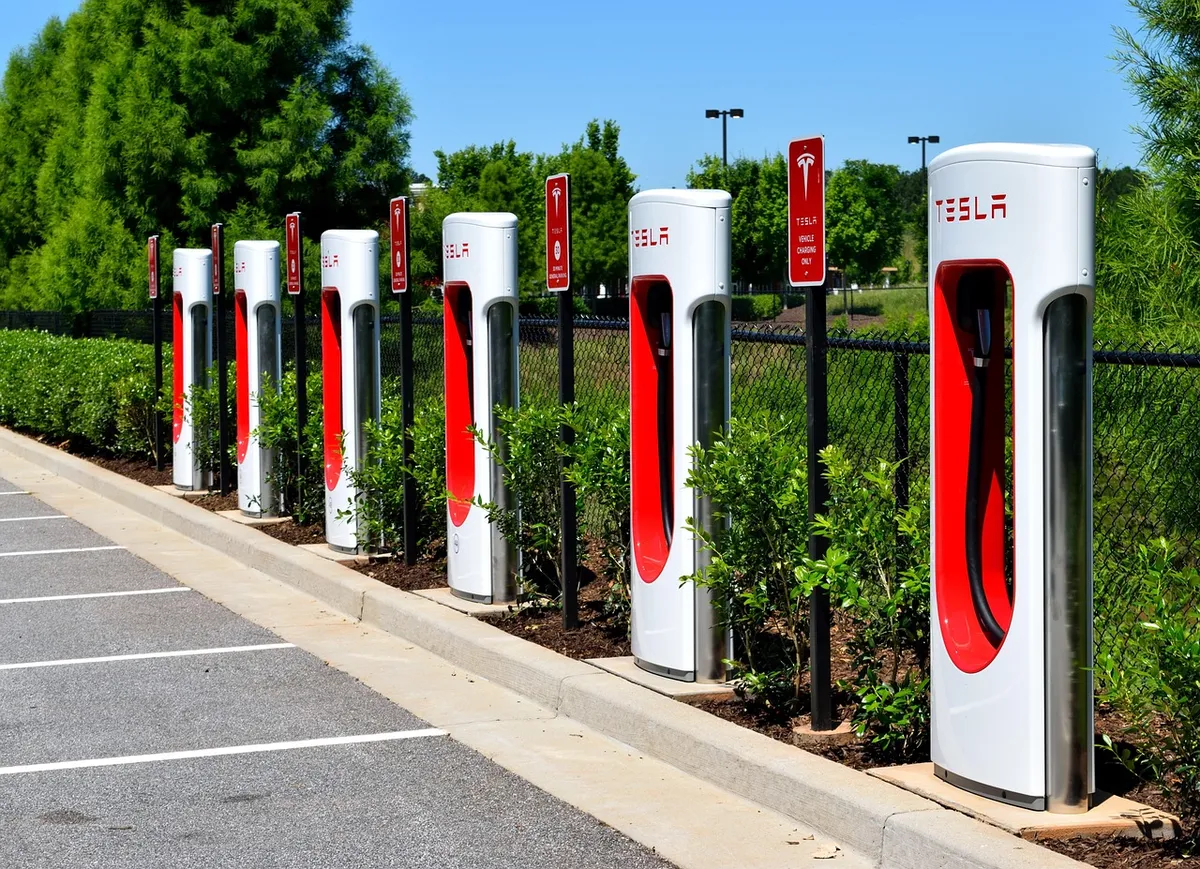
When selecting a vehicle, understanding connector standards is vital. In the second position paper of the European Automobile Manufacturers Association, it was recommended to equip public charging stations with IEC 62196 Type 2 Mode 3 connectors.
Later, the European Commission proposed using the Type 2 connector as the single standard to end uncertainty. I remember checking my own vehicle's port to ensure it matched these standard types before a long trip.
- Assess your daily driving mileage.
- Evaluate your home electrical capacity.
- Select a compatible charging level.
The subject here is 2026 EV charging infra.
The same subject is also called EV charging status 2026.
The same subject is also called 2026 EV charging guide.
This part also covers Buying EV charging needs.
Related

Comments 0