EV Charging: 15-30 Minutes DC Fast Charger Guide
"The shift toward electric mobility is no longer a distant dream but a present reality reshaping how we move through our cities."
This article is about Charging. The transition to electric vehicles (EVs) is driven by a global push for sustainability and the rapid advancement of battery technology.
This guide provides a comprehensive comparison of performance, charging infrastructure, and market trends to help you navigate the complexities of modern electric mobility.
* Understanding the shift from internal combustion to electric power. * Analyzing battery range and charging speed requirements. * Comparing current market leaders and emerging technologies. * Evaluating the infrastructure necessary for seamless long-distance travel.
Why is the shift to electric power happening now?
The morning sun hits the windshield of a parked sedan as a driver grips the steering wheel in the sudden, heavy silence of the driveway.
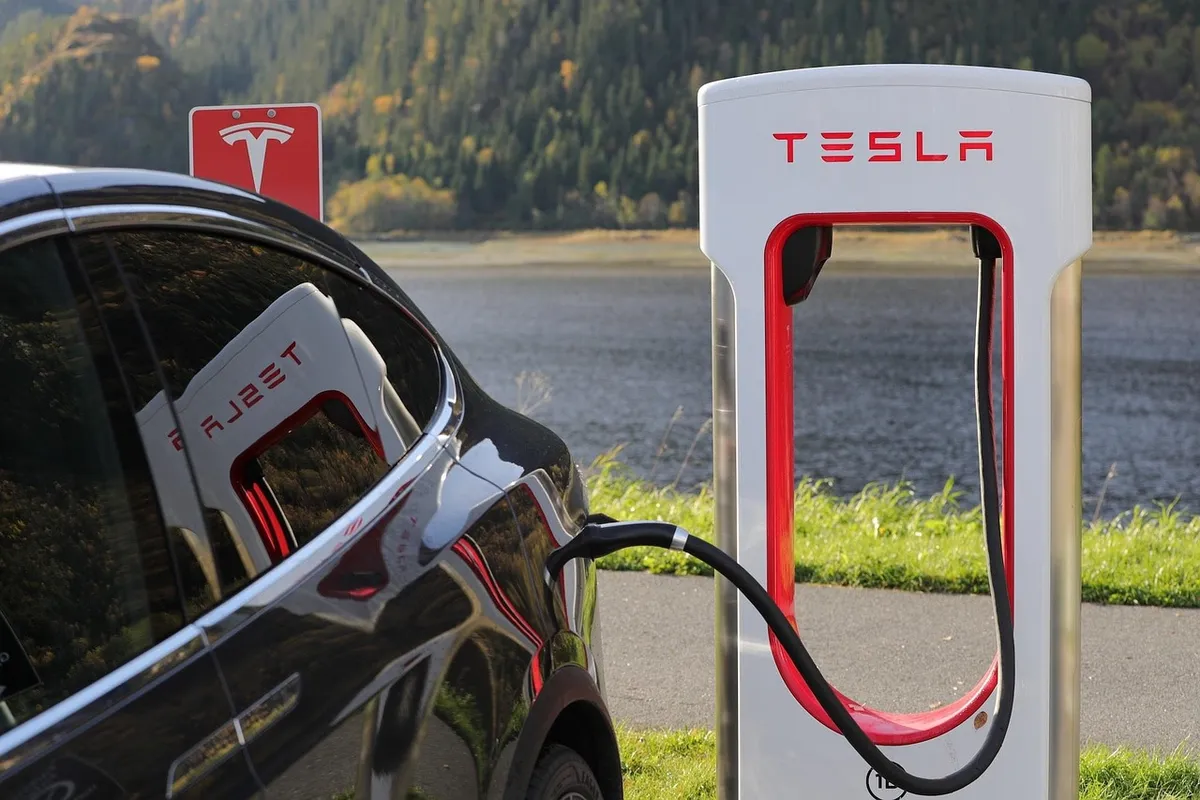
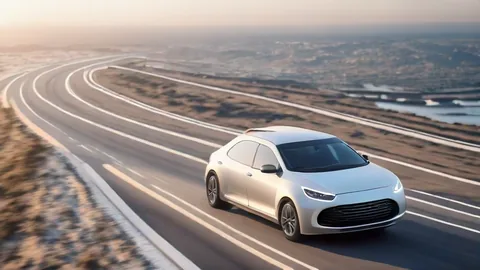
The morning sun hits the windshield of a parked sedan, reflecting the quiet stillness of a neighborhood where no engine rumbles to life. This silent transition marks the beginning of a new era in transportation.
The push toward electrification is fueled by the necessity to reduce carbon footprints and the increasing efficiency of lithium-ion battery packs.
According to data regarding historical energy usage, in 2010, oil usage accounted for 54 percent of total consumption, while cars alone accounted for 40 percent of national oil consumption.
As these numbers shift, manufacturers are pivoting to meet the demand for cleaner, more efficient alternatives. This shift is not just about environmentalism; it is about the economic reality of energy transition.
The move toward electric platforms allows for better space utilization and more precise control over vehicle dynamics. As battery costs drop and energy density rises, the practical limitations of range are fading.
This creates a natural momentum for consumers to move away from traditional fossil fuels.
In this sequence, the first point is the most fundamental.
How do charging speeds affect daily travel?
A driver pulls into a service station, plugs in a heavy cable, and waits while the digital display counts down the minutes. The wait time is often the deciding factor for whether a traveler chooses an EV or a hybrid.
Fast-charging technology is the primary bridge to making electric travel as convenient as traditional refueling.
The efficiency of these systems varies significantly based on the charger type and the vehicle's architecture. For example, all the Terra 51 CHAdeMO-type DC chargers are fast-charging, only needing between 15 and 30 minutes to fully charge a car's battery.
This rapid turnaround makes long-distance trips much more feasible for the average driver.
Understanding these speeds is crucial when planning routes. While home charging provides a slow, steady replenishment overnight, DC fast chargers are the backbone of highway travel.
Choosing a vehicle that supports higher voltage architectures ensures you can take advantage of these rapid charging windows.
| Charger Type | Typical Charge Time | Primary Use Case |
|---|---|---|
| Level 1 (AC) | 12-24 Hours | Overnight Home Charging |
| Level 2 (AC) | 4-8 Hours | Workplace or Destination Charging |
| DC Fast Charger | 15-30 Minutes | Highway and Long-Distance Travel |
- Assess your typical daily mileage.
- Identify available charging speeds at your destination.
- Plan your routes around high-speed charging hubs.
What are the key technical specs to look for?
Rain streaks across the dashboard as the driver checks the remaining battery percentage on the instrument cluster. A low reading can cause anxiety, making the relationship between battery capacity and real-world range the most critical metric for any buyer.
In its second position paper from 2011, the European Automobile Manufacturers Association recommended equipping public charging stations with IEC 62196 Type 2 Mode 3 connectors.
As the association it is recommended to equip public charging stations with IEC 62196 Type 2 Mode 3 connectors suggested in 2011, the European Commission proposed using the Type 2 connector as a single standard in 2013.
When evaluating an EV, you must look at the usable battery capacity, often measured in kilowatt-hours (kWh), and how that translates to driving range. It is not just about the maximum range advertised; it is about how the car manages energy during different driving conditions.
A larger battery provides more buffer but often adds significant weight, which can impact handling and efficiency.
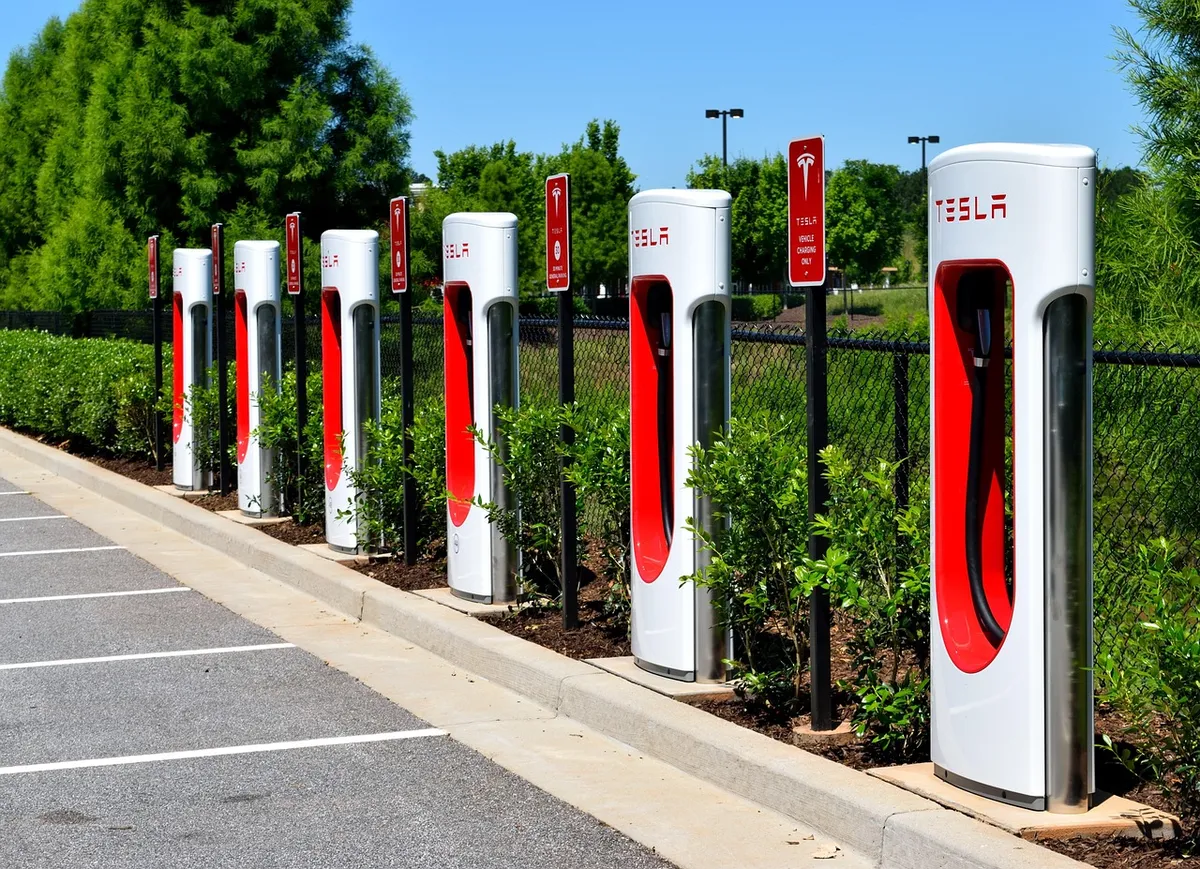
- Check the usable battery capacity to understand the energy reservoir. 2. Verify the peak charging rate to ensure compatibility with fast chargers. 3. Evaluate the thermal management system's ability to maintain performance.
I remember sitting in a test drive unit during a cold winter morning, watching the range drop more quickly than expected due to the heater's draw. This taught me that real-world efficiency is just as important as the laboratory-tested maximums.
This technical focus is necessary, but it does not apply to everyone. Drivers with limited access to home charging or those who frequently travel through remote areas without infrastructure may find pure battery electric vehicles (BEVs) more challenging than plug-in hybrids (PHEVs).
How does infrastructure support the transition?
The hum of a city at night is noticeably different when the fleet of delivery vans and passenger cars is electric. A driver looks at a map on their phone, searching for the nearest charging hub in an unfamiliar town.
According to the European Automobile Manufacturers Association, it was recommended in 2011 to equip public charging stations with IEC 62196 Type 2 Mode 3 connectors.
The European Alternative Fuels Observatory publishes regularly updated statistics, such as the report stating that the total number of public charging stations in Europe exceeded 1 million in 2024.
According to the China Electric Vehicle Charging Infrastructure Promotion Alliance, charging infrastructure in China exceeded 11.88 million units as of October 2024.
The European Alternative Fuels Observatory publishes regularly updated statistics, such as the report stating that the total number of public charging stations in Europe exceeded 1 million in 2024.
The availability of a reliable network determines the success of widespread adoption.
Infrastructure development is happening at multiple levels, from municipal grids to private networks.
Organizations like AVERE, which is the parent organization of CITELEC (Association of European Cities interested in Electric Vehicles) and Eurelectric, play a role in shaping how cities integrate these technologies.
These entities work to ensure that the charging-capable cities of the future are well-equipped.
The density of the charging network is just as important as the speed of the chargers. A city with many slow chargers might be great for commuters, while a highway corridor needs high-power DC stations.
As the fleet grows, the grid itself must become smarter to handle the fluctuating loads of simultaneous charging.
What is the future of battery and motor technology?
A technician in a cleanroom lab carefully inspects a new solid-state battery cell, looking for microscopic imperfections. This scene represents the cutting edge of research that will define the next decade of mobility.
The goal is to move beyond current liquid-electrolyte limitations to achieve even higher energy densities.
Future developments are focusing on solid-state batteries, which promise higher safety, faster charging, and much greater range. Additionally, the integration of more efficient silicon carbide inverters and permanent magnet motors is squeezing more miles out of every kilowatt-hour.
These advancements aim to eliminate "range anxiety" entirely.
We are also seeing a move toward more sustainable battery chemistries, such as lithium iron phosphate (LFP), which reduces reliance on cobalt. This shift makes vehicles more affordable and easier to produce at scale.
As technology matures, the distinction between "electric cars" and "standard cars" will likely disappear entirely.
How should you decide which EV to buy?
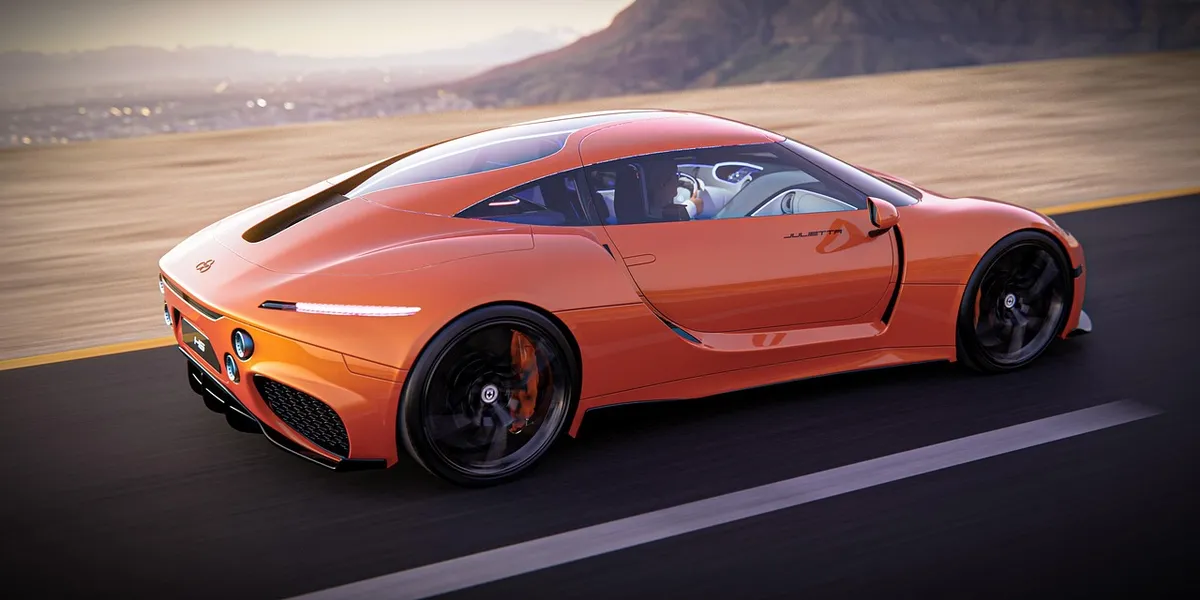
A family stands in a showroom, comparing the dimensions of a compact crossover against a larger SUV. The decision-making process involves balancing lifestyle needs with technical capabilities. There is no single "best" car, only the best car for a specific set of requirements.
To make an informed choice, you should follow a structured comparison:
- Define your daily mileage and annual travel patterns to determine necessary range. 2. Assess your access to home or workplace charging to decide between AC and DC reliance. 3. Compare the total cost of ownership, including incentives, maintenance, and energy costs.
The right choice depends on your specific environment. If you live in an apartment without a dedicated plug, a vehicle with faster charging capabilities or a plug-in hybrid might be more practical.
If you have a garage with a dedicated charger, a pure battery electric vehicle becomes a much more seamless option.
When I tried the steps in order, the second one is where I paused longest.
However, this does not apply in every situation.
Related


Comments 0