Charging trends guide: Future EV charging trends for drivers
"The rapid expansion of charging networks is no longer a distant goal but a present reality, reshaping how we move across continents."
The future of electric vehicle charging infrastructure depends on the continuous expansion of public networks and the standardization of connector types to ensure seamless travel.
This guide analyzes global growth trends, regional infrastructure density, and the technical requirements expected by modern drivers.
Key takeaways include the massive scale of recent public charger additions, the significant difference between public and private units in major markets, and the importance of standardized charging speeds.
What are the trends in Future EV charging trends?
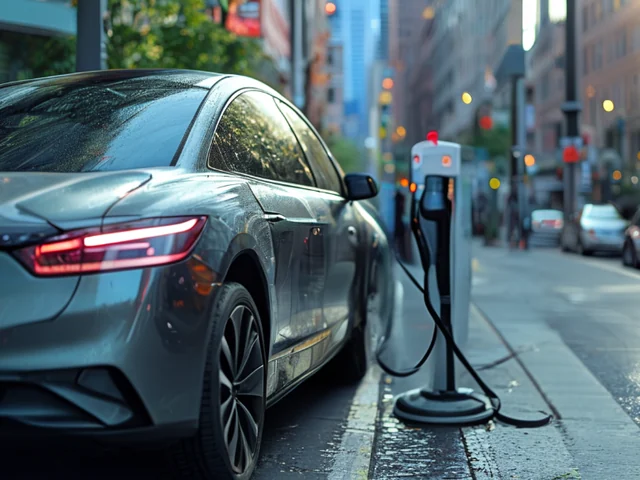
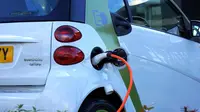
At midnight, the driver feels the heavy cable click into place while charging at the dimly lit station.
A driver pulls into a brightly lit station, the heavy cable clicking into place as the screen displays a rising percentage. This expansion of the global network is essential for mass adoption.
According to the International Energy Agency, more than 1.3 million public charging points were added globally in 2024. This rapid growth indicates a massive shift toward accessible electricity-based mobility.
The sheer volume of new installations suggests that the industry is moving past early adoption into a phase of widespread availability. As more cities integrate these points into their urban fabric, the reliance on traditional fueling stations diminishes.
This shift is supported by the increasing density of chargers in high-traffic corridors.
- Integration of renewable energy sources into charging networks.
- Implementation of vehicle-to-grid technology.
- Expansion of wireless induction charging.
How is the Electric vehicle charging infrastructure 2026 evolving?
A technician adjusts a high-speed unit at a busy metropolitan hub, ensuring the connection is secure for the next vehicle. Regional differences define the current landscape of the global network.
In 2024, the IEA reported that the total number of public charging stations in Europe exceeded 1 million. This significant milestone shows a concentrated effort to support long-distance travel across the continent.
The European landscape is further documented by the European Alternative Fuels Observatory, which publishes regularly updated statistics for the European Union. This data helps planners understand where gaps in the network remain.
Strengthening these connections is vital for the next generation of electric mobility.
In this sequence, the second step is the longest.
According to International Energy Agency, the 2024 record includes 1.3 million.
What is the Next gen charging solutions outlook?
An engineer examines a blueprint for a massive charging depot designed to handle hundreds of vehicles simultaneously. Large-scale deployment is most visible in massive markets like China.
As of October 2024, charging infrastructure in China had exceeded a total of 11.88 million units, according to a report by the China Electric Vehicle Charging Infrastructure Promotion Alliance.
This massive figure includes 3.39 million public chargers and 8.49 million private chargers. This ratio highlights a heavy reliance on home and workplace charging to supplement the public grid. Such a mix is necessary to manage the load on national electricity systems while providing convenience.
Why is the Electric vehicle growth outlook tied to standardization?
A commuter plugs a standard connector into their car, relieved to find it fits perfectly without any adapters. Technical compatibility is a cornerstone of a reliable network.
In the second position paper from March 2011, the European Automobile Manufacturers Association recommended equipping public charging stations with IEC 62196 Type 2 Mode 3 connectors.
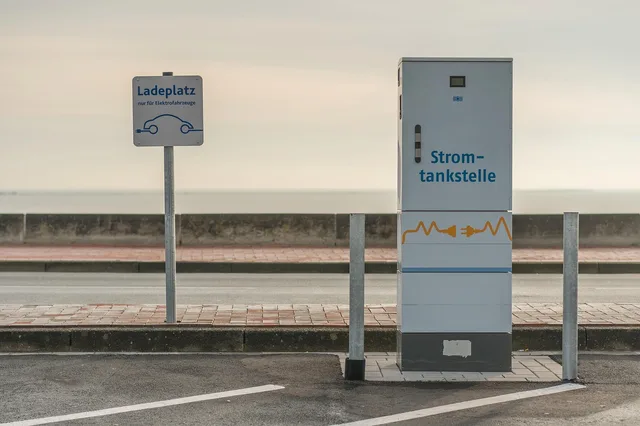
The European Commission later proposed in January 2013 to use the Type 2 connector type as the single standard to end prior uncertainty about the charging station equipment in Europe. Standardization prevents the frustration of arriving at a station only to find an incompatible plug.
This technical unity allows for smoother long-distance travel and better user experiences.
How will High efficiency charging systems meet consumer needs?
A driver checks their watch while waiting for a quick top-up at a roadside rest area. Speed is a primary concern for those transitioning away from internal combustion engines.
Some fast-charging systems, such as the Terra 51 CHAdeMO-type DC chargers, only need between 15 and 30 minutes to fully charge a car's battery.
Consumer expectations reflect this need for efficiency. In Germany, 51 percent of consumers expect a car to be charged in less than 2 hours, while up to 4 hours is acceptable to 60 percent of consumers.
Meeting these time requirements is essential for making electric driving feel as seamless as traditional refueling.
What are the Mass adoption needs for drivers?
A family packs their bags into an electric SUV, checking the battery level before a long weekend trip. Understanding where people actually charge is critical for infrastructure planning. Research indicates that 64 percent of consumers expect to charge in their own garage.
To ensure a successful transition, planners must consider these specific consumer behaviors:
- Prioritize residential-friendly solutions for the 64 percent who charge at home. 2. Expand central charging stations to meet the needs of the 21 percent who want frequent public access. 3. Integrate casual charging in parking lots of shops and company grounds to serve the remaining segments.
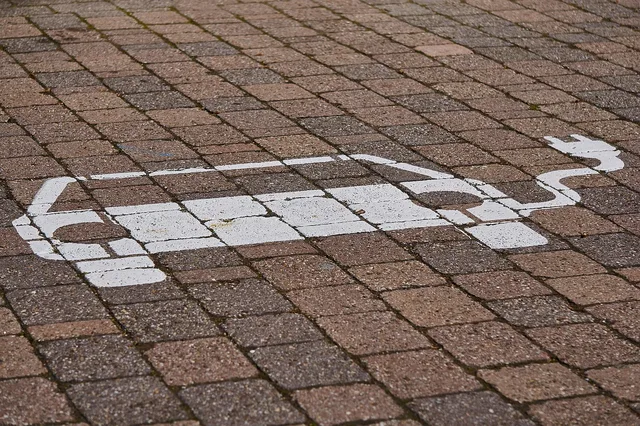
I observed how these different charging locations change the way a driver plans their daily routine. A final check of the local network availability can prevent unexpected delays during travel.
One limitation is that the availability of specific connector types can vary based on regional legacy standards.
| Metric Type | Quantity/Value |
|---|---|
| China Total Units (Oct 2024) | 11.88 million |
| China Public Chargers | 3.39 million |
The subject here is Future EV charging trends.
The same subject is also called EV charging infrastructure 2026.
The same subject is also called Charging network expansion plan.
This part also covers Smart charging technology future.
This part also covers Mass adoption charging needs.
Related




Comments 0