Fast charging range impact: Guide to electric vehicle tips
Understanding the relationship between charging speed and driving range is essential for any driver looking to maximize their time on the road. This guide explains how different charging rates affect battery replenishment and how to manage your energy needs during long trips.
* High-rate charging can reach 80% battery capacity in 15 to 20 minutes. * Slower charging methods may require up to two hours to reach that same 80% threshold. * Battery replenishment slows down significantly during the final 20% of the charge cycle to ensure safety. * The efficiency of electric motors allows for over 77% of electrical energy to be converted to wheel movement.
How does fast charging range impact your travel?
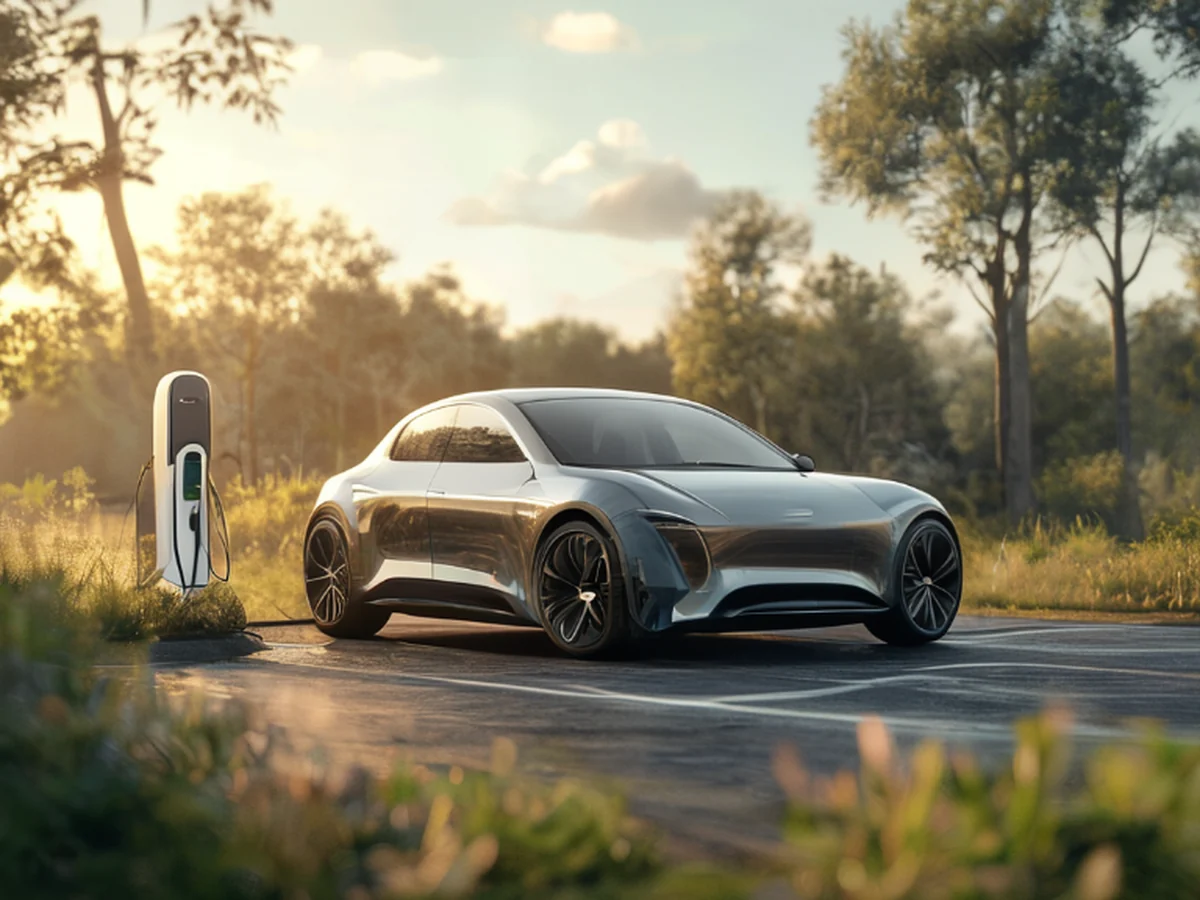
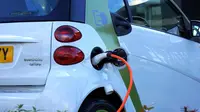
A driver pulls into a roadside station, the heavy cable clicking into the port with a metallic snap. They glance at the digital display, watching the percentage climb steadily as the afternoon sun warms the pavement.
As of December 2019, according to the International Energy Agency, there were about 250 models of highway-capable plug-in electric passenger cars available for sale in the world, up from 70 in 2014.
The rep fast charging range impact is felt most during long-distance journeys where time is a critical resource. When a vehicle capable of very fast charging connects to a high-rate station, it can refill the battery to 80% in just 15 to 20 minutes.
This rapid replenishment allows drivers to spend more time driving and less time idling at chargers.
However, the charge speed and distance relationship changes as the battery nears full capacity. Much like a mobile phone, the final 20% of the charging process takes longer because the systems slow down to fill the battery safely and avoid damaging it.
This protective measure is vital for long-term battery health, even if it slows down the immediate return to the road.
I find that the second step in planning my route is the most time-consuming.
What factors influence battery efficiency effect?
A technician examines a motor, noting the clean, streamlined components that lack the complexity of traditional combustion engines. The air is still, and the focus is entirely on the electrical flow through the system.
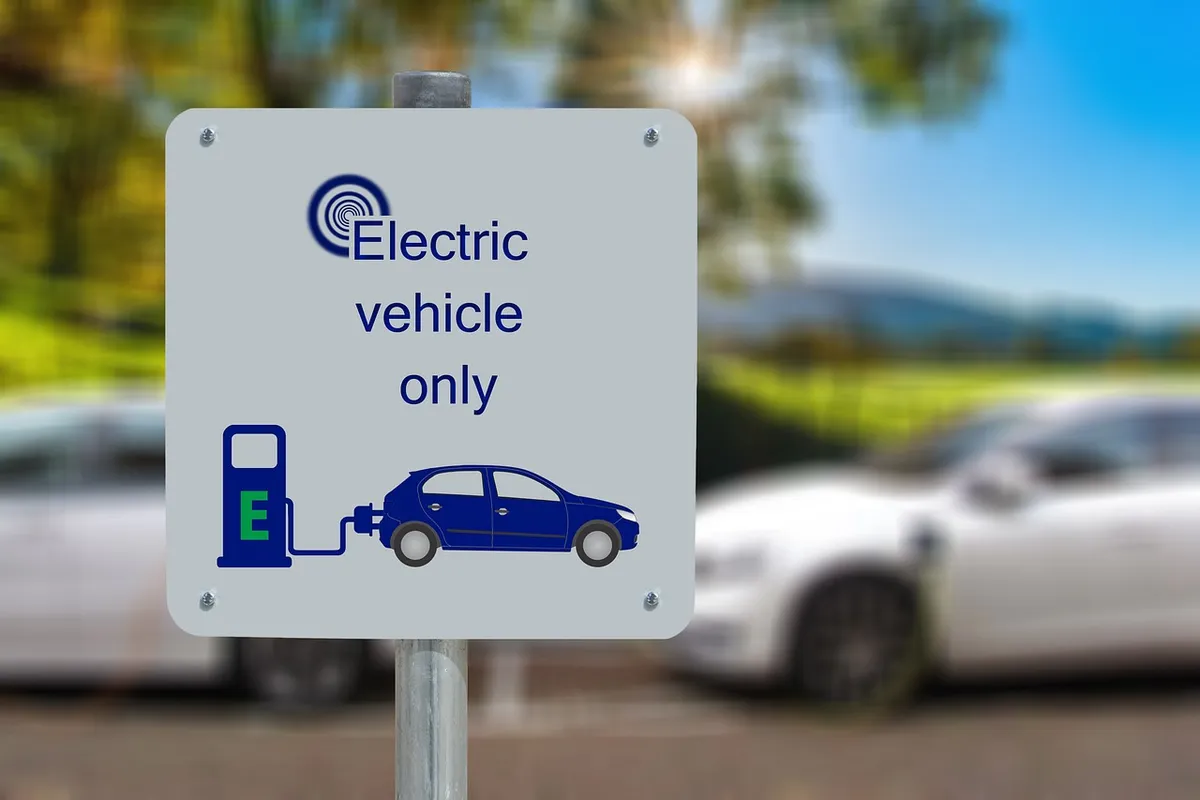
The battery efficiency effect is largely determined by how effectively the vehicle converts stored energy into motion. While petrol engines effectively use only 15% of fuel energy to move the vehicle, electric vehicles convert over 77% of the electrical energy to the wheels.
This high conversion rate is a primary reason why electric propulsion is increasingly favored for efficiency.
Understanding how charging time and range interact requires looking at the hardware involved. A vehicle's ability to utilize high-speed electricity is limited by its onboard charger and the station's output.
Maximizing efficiency means balancing the speed of the charge with the energy density available to sustain long-distance travel.
How can I manage electric car performance during trips?
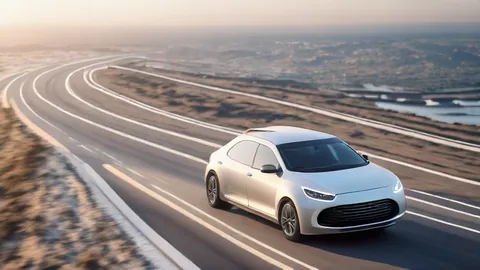
A traveler checks a map on a tablet, eyeing the distance to the next charging hub while the car glides silently down a highway. The sensation of smooth, uninterrupted movement defines the driving experience.
To optimize electric car performance, drivers should follow these steps to manage their energy:
- Plan routes using stations that support very high rates of charge to minimize downtime. 2. Aim to charge the battery to 80% rather than 100% during quick stops to avoid the slower final charging phase. 3. Monitor real-time battery levels to ensure the remaining range is sufficient for the next leg of the trip.
I have found that stopping for a short, high-speed burst is often more productive than waiting for a slow charge to reach a full hundred percent. A final check of the vehicle's estimated range against the upcoming terrain ensures no unexpected stops are needed.
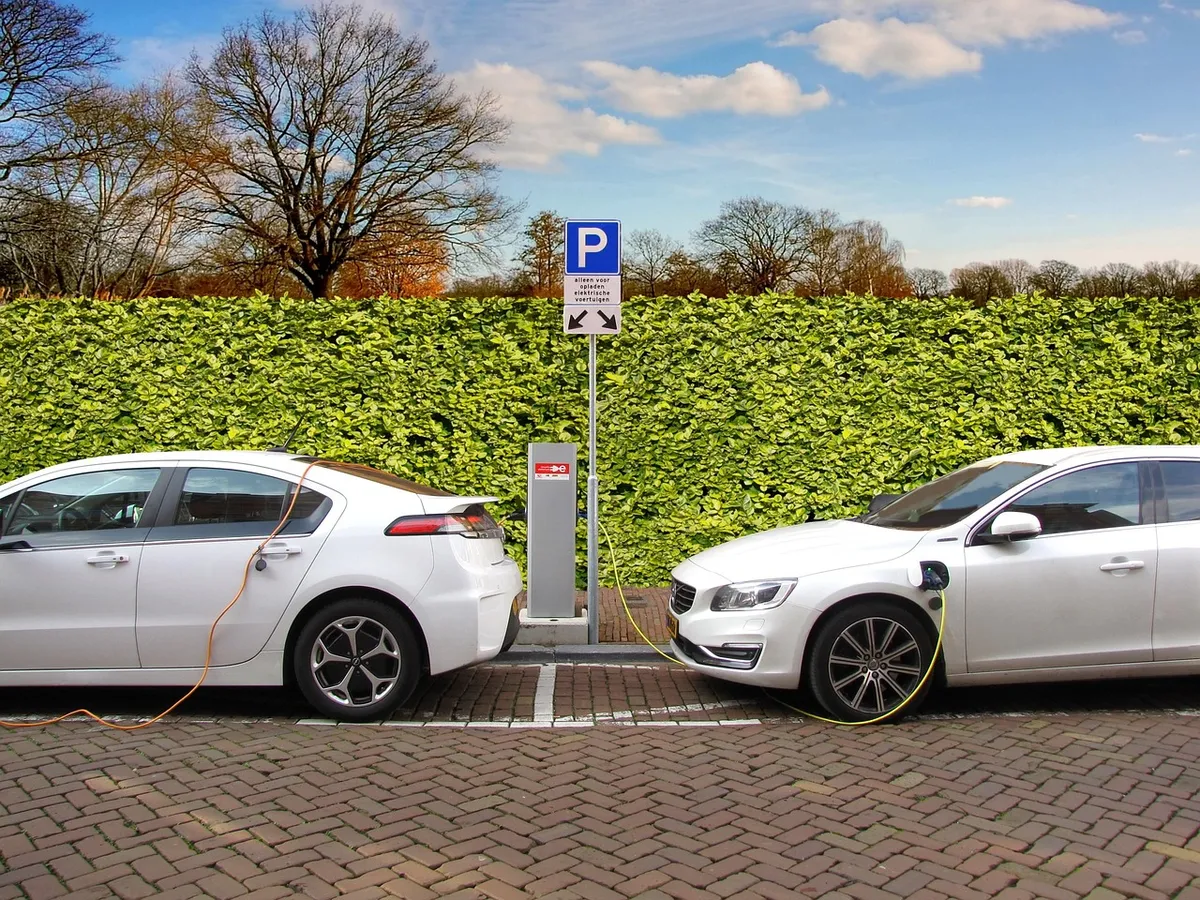
- Monitor your real-time energy consumption.
- Adjust your driving speed to optimize efficiency.
- Plan your charging stops based on current battery levels.
What are the best criteria for EV purchase regarding charging?
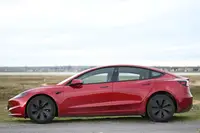
A shopper walks through a showroom, running a hand along the sleek curve of a new electric model. They pause to read the technical specifications posted near the driver's side door.
Finding the best criteria for EV purchase involves looking beyond just the total mileage one can achieve on a single charge. One must consider the charging architecture and how it handles different speeds.
The ability to utilize fast-charging infrastructure is just as important as the initial battery capacity.
Drivers should also consider the long-term reliability of the energy system. Industry standard warranties typically cover batteries for 8 years or 100,000 miles, which helps guarantee a minimum capacity retention, typically at 70%.
This ensures that the vehicle's performance and range remain relatively stable over the years of ownership.
How does charging speed affect range?
A driver waits in a quiet lounge, watching the rain hit the window while the car sits connected to a pedestal outside. The slow progression of the charging bar on the screen matches the calm atmosphere of the rest of the day.
The question of how charging speed affects range is often misunderstood as a direct trade-off, but it is more about time management. While a fast charge gets you back on the road quickly, it does not necessarily change the total distance the battery can provide.
Instead, it changes how frequently you must stop to maintain that range.
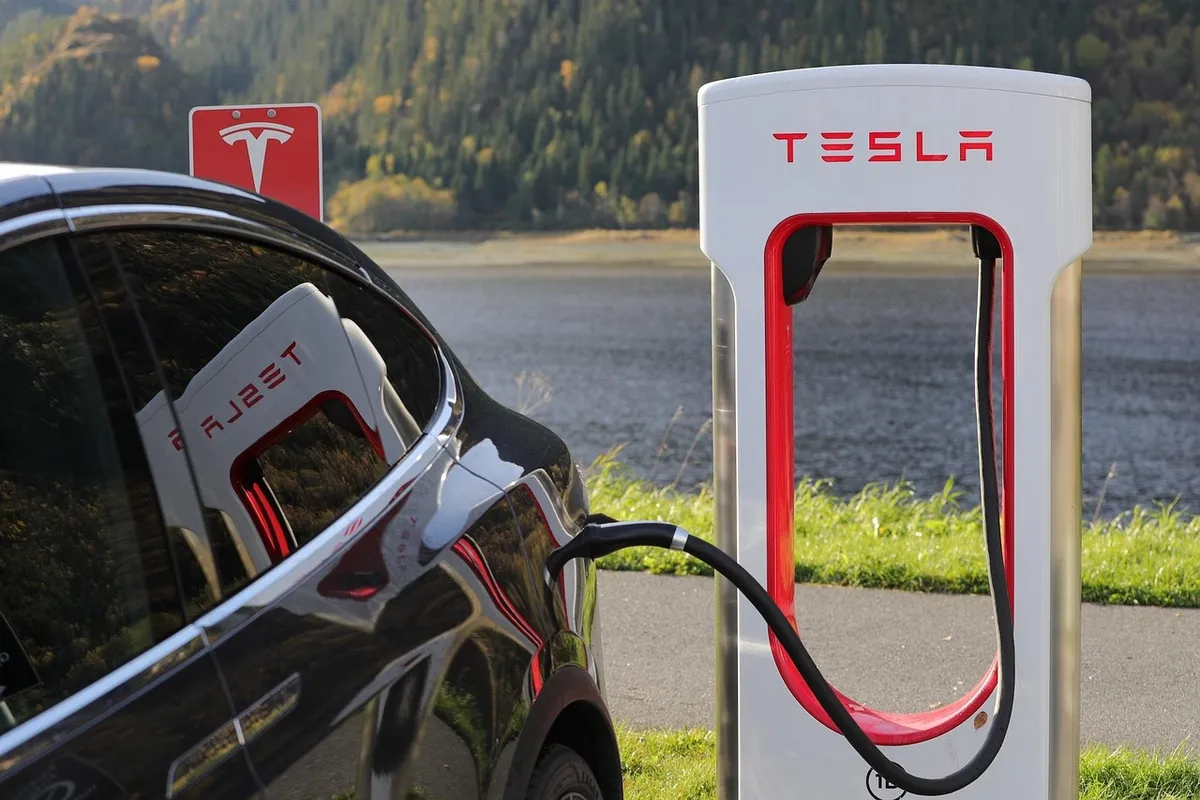
Vehicles and charging stations with slower charging speeds may take as long as two hours to refill a battery to 80%. While this takes more time, it is a common occurrence for home charging or overnight setups.
The total range remains a product of the battery capacity and the efficiency of the motor, rather than the speed of the plug.
Wikipedia: Electric car (full) Based on the retained excerpt mentioning Mitsubishi Alliance: As of December 2021, the Renault–Nissan–Mitsubishi Alliance was listed as one of major all-electric vehicle manufacturers, with global all-electric vehicle sales totaling over 1 million light-duty electric vehicles, including those manufactured by Mitsubishi Motors since 2009.
This part also covers Battery capacity and driving distance.
Related




Comments 0