How do we define the end of an EV battery life?
"End-of-life is clarified to occur when either the net DST delivered capacity or peak power capability at 80% DOD is less than 80% of rated."
Understanding the 2026 EV charging vs lifespan relationship requires looking at how energy delivery affects chemical stability. This guide helps you navigate charging speeds and battery health to ensure long-term value.
Key takeaways include recognizing the definition of battery end-of-life, understanding capacity degradation, and managing depth of discharge.
How do we define the end of an EV battery life?

A technician inspects a degraded battery pack to determine if it still meets operational standards. The American Battery Consortium definition states that end-of-life occurs when the net DST delivered capacity or peak power capability at 80% DOD falls below 80% of the rated capacity.
This threshold is a critical metric for vehicle owners. When the capacity drops below this 80% mark, the battery is often transitioned from vehicle use to other applications. One of the waste management methods is to reuse the pack for stationary storage.
In this order, the first point is the most fundamental.
What happens during capacity degradation? 2026 EV charging vs lifespan
While sitting in the driveway at dusk, the driver feels a hollow ache in her chest as she watches the dashboard lights define the shrinking range.
A driver watches the range indicator on a dashboard as the percentage slowly drops over several years. For practicality, end of life is commonly defined in repurposing studies as when a battery's capacity degrades to 80% of its initial capacity.
This specific measurement helps researchers and manufacturers track the aging process. As the battery ages, the usable energy decreases, making the 80% threshold a standard benchmark for health. Maintaining a healthy state of charge is vital to slowing this inevitable decline.
According to International Energy Agency, the 2024 record includes 1.3 million.
How does charging speed impact battery health?
A technician connects a high-speed DC charger to a vehicle, observing the heat dissipation from the cooling system. While specific charging speeds are a major focus for 2026 EV battery health, the relationship between rapid energy transfer and internal stress is key.
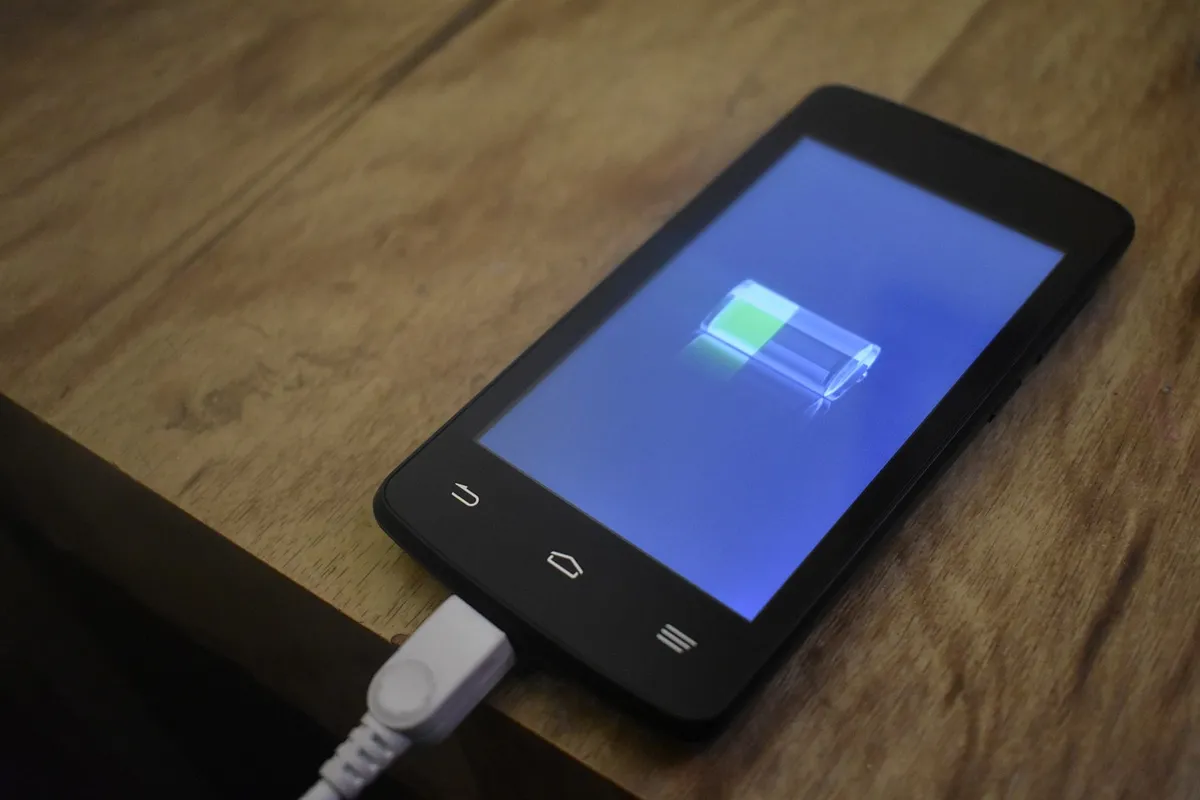
Fast charging can provide convenience, but it often involves different thermal profiles than slower AC charging. Using an EV charging tech guide helps owners understand that excessive heat or extreme charge cycles can influence how quickly a battery reaches its end-of-life.
Proper management ensures the battery remains useful for as long as possible.
Can we extend the lifespan of an EV battery?
A driver plugs a charger into a wall outlet at home to start a slow, steady charge cycle. Implementing EV battery longevity tips often involves managing how much energy is drawn from the pack during daily use.
- Avoid deep discharge cycles by keeping the battery above certain levels. 2. Monitor temperature to prevent extreme heat during high-speed charging. 3. Utilize slow charging for routine replenishment when time permits.
A final check involves verifying that the battery is not regularly depleted to very low levels. I once noticed how much more stable a battery felt when I avoided running it down to empty. Discharging below 50% can shorten the battery's life.
- Maintain a moderate state of charge to avoid extreme voltage levels.
- Minimize exposure to high ambient temperatures.
- Avoid frequent use of ultra-fast DC charging whenever possible.
What are the limitations of current battery technology?
An engineer examines a prototype battery cell under a microscope to look for structural changes. When buying 2026 electric cars, it is important to recognize that current technology has inherent physical limits regarding energy density and cycle life.
According to a report by the Vehicle Charging Infrastructure Promotion Alliance, charging infrastructure in China had exceeded a total of 11.88 million units as of October 2024, consisting of 3.39 million public chargers and 8.49 million private chargers.
As reported by the European Alternative Fuels Observatory, the IEA noted that the total number of public charging stations in Europe exceeded 1 million in 2024.
The 2026 EV charging vs lifespan relationship is influenced by the specific chemistry of the pack. For example, different materials react differently to high-voltage inputs and temperature fluctuations.
Understanding these nuances helps in making an informed purchase based on expected vehicle longevity.
The same subject is also called fast charging battery life.
The same subject is also called EV charging speed impact.
This part also covers battery management advice.
buying 2026 electric cars
Related
- How does range anxiety impact buyer choice in EV charging?
- What are the future charging tactics for efficiency?
How does usage pattern affect battery life?
The driver's daily routine directly correlates with the battery's long-term health.
- Avoiding deep discharge cycles protects the chemical structure from undue stress.
- Maintaining a moderate state of charge minimizes high voltage stress on the cells.
- Limiting ultra-fast charging preserves the battery's overall life.
This pattern of usage influences the rate at which the battery approaches its defined end-of-life.
What influences the rate of capacity loss?
The chemical stability of the battery is affected by operational conditions.
- High ambient temperatures accelerate chemical degradation.
- Frequent use of high-speed charging generates more internal thermal stress.
- The rate of capacity loss is directly tied to the depth of discharge experienced during use.




Comments 0