EV charging infrastructure comparison: 80% efficiency guide
"The transition to electric mobility relies heavily on the availability and speed of charging infrastructure to ensure driver confidence and vehicle utility."
An effective EV charging infrastructure comparison requires evaluating speed, range, and compatibility to ensure seamless travel. This guide examines the differences between charging methods and provides key takeaways for selecting the right solutions for your vehicle.
* Evaluate DC fast charging for rapid energy replenishment. * Consider total EPA range for long-distance reliability. * Understand the efficiency of electric drive systems compared to fuel engines.
How do I choose the right EV charging infrastructure comparison?
At sunset, a driver grips the heavy cable during an EV charging infrastructure comparison, feeling the cool metal against their palm.
A driver pulls a heavy charging cable from a station, feeling the weight of the plug before connecting it to the vehicle port. Selecting the right equipment involves understanding how different power delivery methods affect your daily routine and travel plans.
An EV charging infrastructure comparison shows that different speeds suit different needs. For example, some modern models offer an 18-minute 10–80% DC fast charging capability to minimize downtime.
You should match the charger's output to your vehicle's intake capacity to prevent wasted energy or unnecessary wear.
Effective charging solutions must also account for the vehicle's total range. Some high-performance vehicles provide a 361 miles EPA range, which influences how frequently you will need to seek out public infrastructure.
Choosing between slow home charging and rapid public charging is a balance of convenience and urgency.
What are the key EV charging method guide elements?
A technician brushes a hand over the warm metal of the station while studying the charging method guide elements at the depot.
A technician inspects a charging station's internal components to ensure the connection is secure and the voltage is stable. Understanding the technical nuances of charging is essential for anyone moving away from internal combustion engines.
The primary goal of a charging method guide is to distinguish between level-based charging. Level 1 and Level 2 chargers are typically used for overnight or workplace stays, while DC fast chargers are designed for highway stops.
Using the correct method ensures you can manage your battery health effectively.
When considering an EV charging method guide, look at the efficiency of the drive system. Electric drive vehicles typically have on-board efficiencies of around 80%, making them much more efficient at converting stored energy into motion than traditional engines.
This efficiency means that your charging time directly translates into usable road time.
What are the best EV charging efficiency tips?
A driver checks the battery percentage on a smartphone app while sitting in a quiet parking lot. Optimizing how you use energy can extend your vehicle's life and reduce the frequency of charging sessions.
One of the most effective EV charging efficiency tips is to manage your state of charge to avoid unnecessary degradation. While fast charging is convenient, frequent use of high-power chargers can impact battery longevity over time.
Balancing quick top-ups with slower, steady charging helps maintain optimal battery health.
Another essential part of EV charging efficiency tips involves planning for the vehicle's inherent efficiency. Since electric motors are highly efficient, you can often rely on regenerative braking to add small amounts of charge back to the battery.
This natural energy recovery complements the external charging infrastructure.
How can I use an EV charging types explained approach?
A traveler looks at a map of charging stations spread across a highway network. Understanding the different categories of equipment helps in planning trips that avoid range anxiety.
An EV charging types explained approach helps distinguish between AC and DC power. AC charging happens through an onboard charger, while DC charging bypasses it to feed power directly to the battery. This distinction is vital when you are deciding between a home wall box and a public rapid charger.
When looking at EV charging types explained, consider the hardware compatibility. Different plugs and voltages are used globally, so ensuring your vehicle matches the local infrastructure is the first step in any trip. Understanding these standards prevents being stranded at an incompatible station.
How to select an EV charging solutions model?
A homeowner stands in a garage, looking at the installation of a wall-mounted charging unit. Selecting the right hardware for your home requires a clear understanding of your vehicle's specific requirements and your household's electrical capacity.
To select the right EV charging solutions, follow these three steps:
- Determine the maximum charging rate your vehicle can accept to avoid over-buying power. 2. Assess your home's electrical panel capacity to ensure it can handle the additional load. 3. Identify the plug type used by your vehicle to ensure hardware compatibility.
After completing these steps, perform a final check by testing the charger with a compatible vehicle to verify the connection and charging speed. I found that checking the amperage settings was the most critical part of my own setup to prevent tripping household breakers.
A limitation of this selection process is that hardware compatibility may vary based on specific vehicle models and local electrical standards.
Comparing charging speed and range
The following table compares specific vehicle capabilities to illustrate the differences in modern charging and range technology.
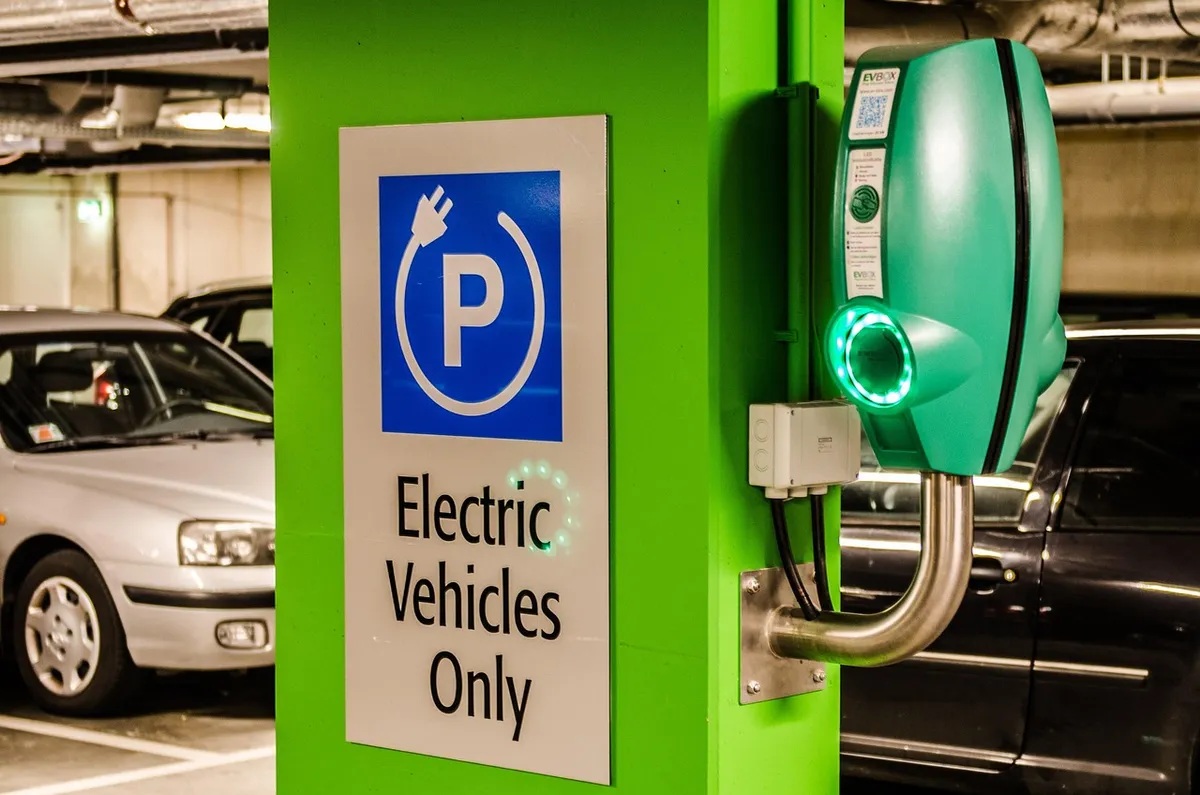
According to the Norwegian Electric Vehicle Association, if the country wants to reach the ambitious climate goals set by the Parliament, the next goal is to have 400,000 battery electric vehicles by 2020.
As of December 2019, according to the International Energy Agency, there were about 250 models of highway-capable plug-in electric passenger cars available for sale in the world, up from 70 in 2014.
| Feature | Performance Metric |
|---|---|
| DC Fast Charging | 18-minute 10–80% charge |
| EPA Range | 361 miles |
- How do I choose the right EV charging infrastructure comparison?
- What are the key EV charging method guide elements?
- What are the best EV charging efficiency tips?
The same subject is also called EV charger feature comparison.
This part also covers Choosing EV charging solutions.
This part also covers EV charging time vs efficiency.
Related




Comments 0