What drives the demand for next gen charging infra?
"The transition to electric mobility relies heavily on the physical presence of charging points to support growing driver confidence."
Key takeaways: 1. Global charging infrastructure is seeing unprecedented growth in both public and private sectors. * Consumer expectations are driving the development of faster, more reliable charging technologies. 2. Standardization of connectors and regional deployment strategies are critical for market readiness.
How is the global charging landscape shifting for 2026 EV charging trends?
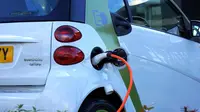
At dawn, a technician grips a heavy cable that drives into a new terminal, feeling the cold metal against their palms.
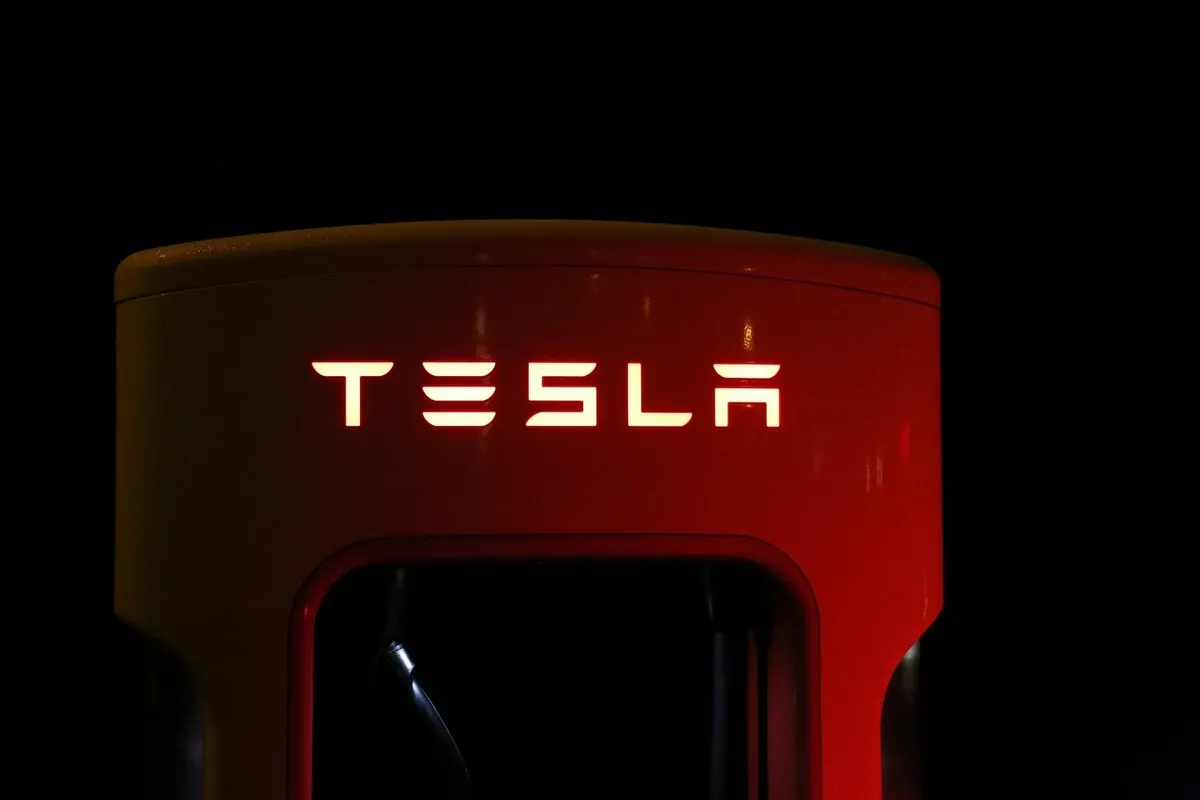
The scale of this expansion is evident in recent historical data. According to the International Energy Agency, more than 1.3 million public charging points were added globally in 2024.
This rapid growth reflects a worldwide push to replace fossil fuel reliance with electrical infrastructure. In Europe, the scale of deployment has reached significant milestones. In 2024, the IEA reported that the total number of public charging stations in Europe exceeded 1 million.
The distribution of these units varies significantly by region. In China, the scale of infrastructure is particularly vast.
As of October 2024, charging infrastructure in China had exceeded a total of 11.88 million units, including 3.39 million public charger and 8.49 million private charger, according to a report by the China Electric Vehicle Charging Infrastructure Promotion Alliance.
What drives the demand for next gen charging infra?
At dusk, a restless traveler grips the steering wheel while the mounting need for reliability drives them toward the bright lights of a distant station.
A driver checks their smartphone app while waiting for a battery to reach a specific percentage. Understanding why people transition to electric vehicles requires looking at energy security and consumer habits.
Historically, the move away from crude oil imports was a primary driver, as cars accounted for 40 percent of national oil consumption in certain regions during 2010.
Consumer expectations regarding time and location are also shaping the market. In Germany, consumer studies have highlighted specific needs for the charging process.
For instance, 51 percent of consumers in Germany expect a car to be charged in less than 2 hours, while up to 4 hours is acceptable to 60 percent of consumers.
The location of these chargers is equally important for daily life. Research shows that 64 percent of consumers expect to charge in their own garage, while 21 percent want to frequent a central charging station.
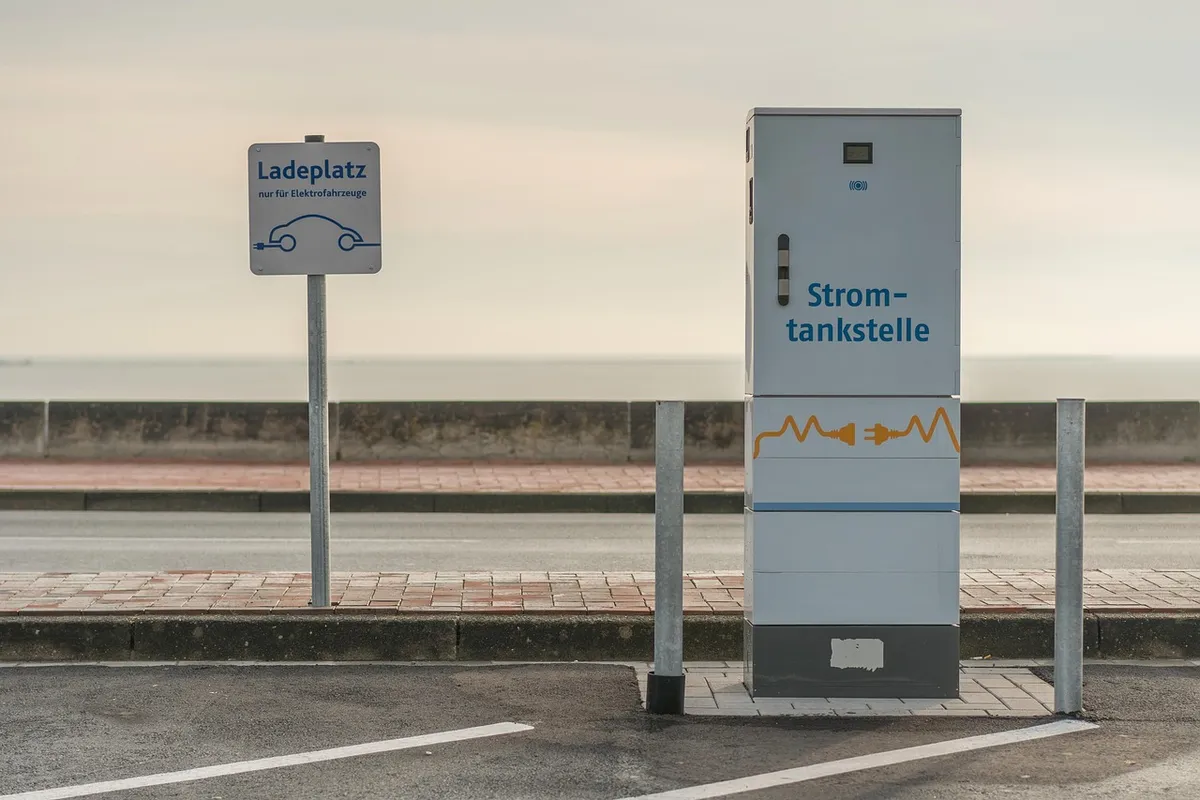
Casual charging in parking lots of shops and company grounds is expected by a mere 6 and 4 percent respectively.
According to International Energy Agency, the 2024 record includes 1.3 million.
How does EV charging evolution 2026 address speed requirements?
A technician adjusts the settings on a high-power DC fast charger to ensure maximum efficiency. As vehicles become more advanced, the hardware must keep pace with battery capacities and driver patience. Fast-charging technology aims to minimize downtime during trips.
Some existing hardware is already designed for rapid replenishment. For example, all the Terra 51 CHAdeMO-type DC chargers are fast-charging, only needing between 15 and 30 minutes to fully charge a car's battery. This speed helps mitigate range anxiety among long-distance travelers.
Travel distance remains a significant factor in how people use these stations. While 53 percent of consumers say that 300 km is enough, there are also 31 percent who like to travel 450 to 1000 km until required to recharge.
This range of needs requires a versatile mix of slow and fast charging solutions.
What are the technical standards for charging efficiency gains?
An engineer inspects a standardized connector to ensure it fits perfectly into a vehicle's port. Standardization is the backbone of a functional charging network, preventing confusion for drivers. Early efforts in Europe focused heavily on creating a unified interface.
In the second position paper in March 2011, the European Automobile Manufacturers Association recommended equipping public charging stations with IEC 62196 Type 2 Mode 3 connectors. This was intended to provide transitional solutions for the market.
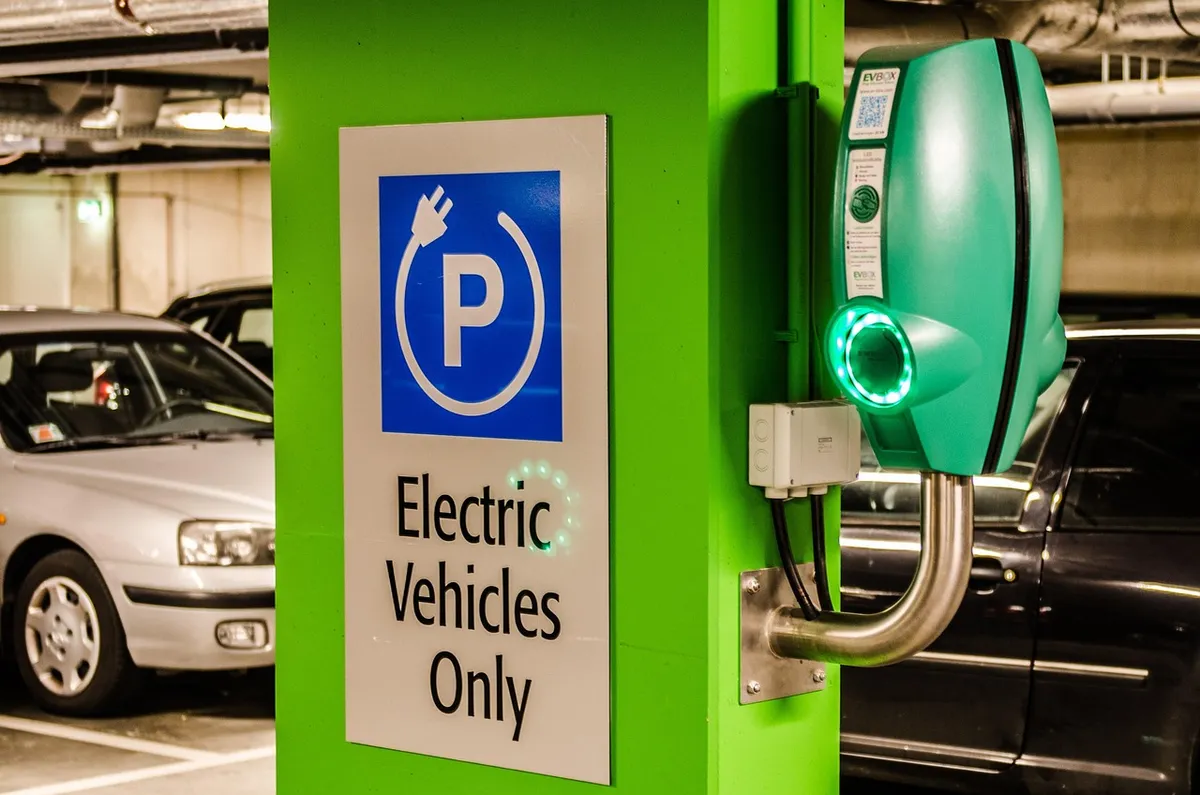
The push for a single standard was later formalized to end equipment uncertainty. In January 2013, the European Commission proposed to only use the Type 2 connector type as the single standard. This move aimed to streamline the user experience across different nations.
How will the market readiness 2026 be achieved through partnerships?
A corporate executive and a utility manager shake hands over a contract for new infrastructure. Large-scale deployment often requires cooperation between vehicle manufacturers and energy providers. These strategic alliances help distribute the cost and technical burden of building a network.
In France, partnerships have been used to promote emission-free mobility. The Renault–Nissan Alliance and the largest French electric utility, Electricite de France (EDF) have signed an agreement to promote emission-free mobility in France.
Such agreements ensure that the vehicle and the power source are compatible.
In Japan, manufacturer-led infrastructure is also a key component of readiness. As of 2026, Nissan has installed high speed charging stations at 90% of Nissan dealerships in Japan. This level of integration ensures that the brand's customers have reliable access to power.
What are the steps to manage a transition to new charging hardware?
A facility manager walks through a parking lot, checking the installation of new charging pedestals. Transitioning from older technology to modern, high-speed systems requires a structured approach to minimize disruption.
- Assess the existing connector types and power capacities at the site to identify compatibility gaps. 2. Implement hardware that supports standardized protocols, such as the Type 2 connector, to ensure broad vehicle access. 3. Integrate fast-charging units to meet the time-sensitive needs of the public.
A final check of the network's software and load management capabilities ensures the system can handle peak demand without failing. I observed how these different hardware standards can create confusion if not managed through a clear transition plan.
A limitation of these regional strategies is that they are often subject to the specific regulatory environments of different countries.
- The 2026 EV charging trends are shaped by a massive global expansion of hardware and a shift toward standardized, high-speed connectivity.
- This evolution focuses on increasing public accessibility, integrating private garage solutions, and meeting consumer expectations for rapid energy replenishment.
- A technician plugs a heavy cable into a terminal, marking the constant expansion of the global energy network.
The subject here is 2026 EV charging trends.
The same subject is also called Future EV charging tech.
The same subject is also called Fast charging advancements.
This part also covers Impact on EV adoption.
Related



Comments 0