How does range anxiety impact buyer choice in EV charging?
"The shift toward electric mobility is no longer a distant vision but a rapidly expanding reality reflected in the global surge of charging infrastructure."
The 2026 EV charging tech landscape is defined by massive global expansion and a shift toward standardized, high-speed solutions. This evolution directly influences buyer behavior, as consumers weigh charging speed and ease of access against their travel needs.
Key takeaways include the massive scale of global infrastructure, the tension between home and public charging preferences, and the critical importance of charging duration for consumer adoption.
How is the scale of 2026 EV charging tech changing?
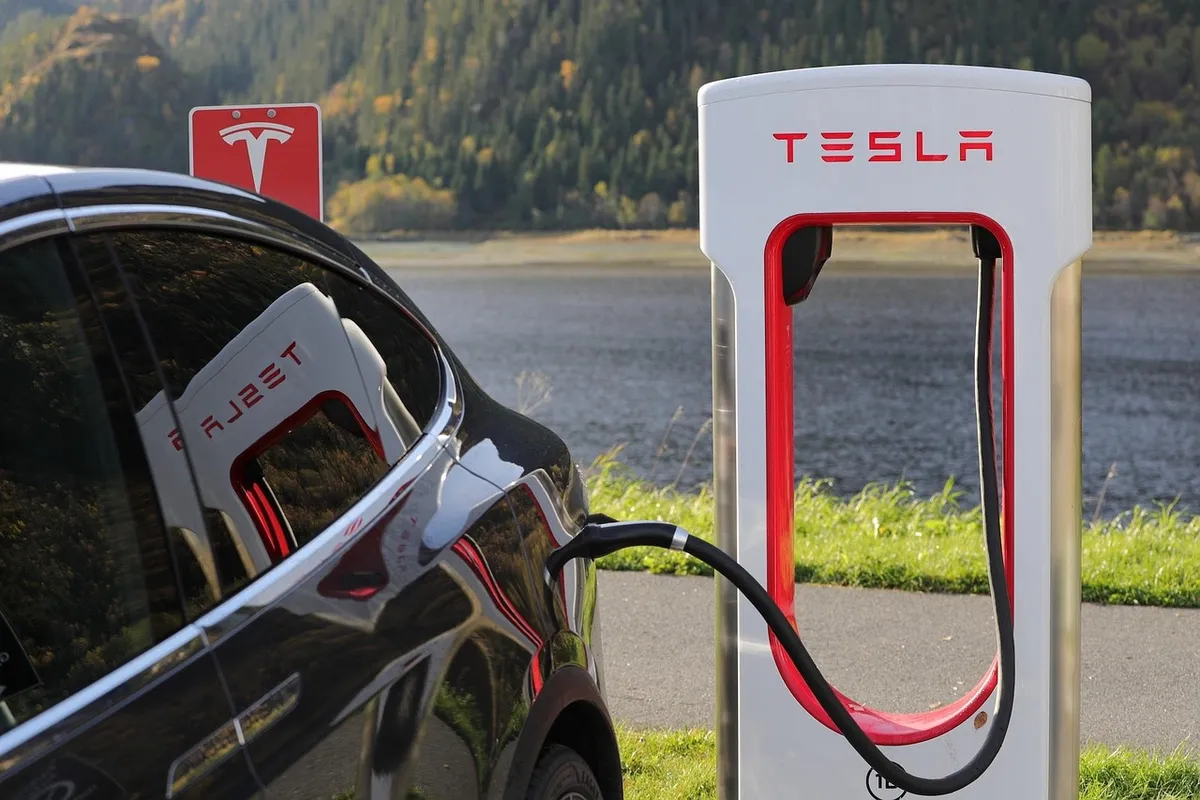
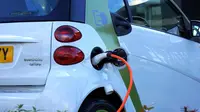
A technician plugs a heavy cable into a sleek terminal at a high-traffic depot. The sheer volume of connection points in modern cities demonstrates how rapidly the network has grown.
The expansion of 2026 EV charging tech is evident in the massive numbers reported in major markets. According to the International Energy Agency, more than 1.3 million public charging points were added globally in 2024.
This growth reflects a global push to make electric vehicles more accessible to the general public.
In Europe, the infrastructure surge is equally visible. The IEA reported that the total number of public charging stations in Europe exceeded 1 million in 2024. This development provides a foundation for the widespread adoption of electric mobility across the continent.
However, the benefits of high-power hardware may be limited if the local electrical grid cannot support the increased load.
Does charging speed drive sales?
An owner waits near a charging station, glancing at their watch while the vehicle gathers power. The necessity of quick turnaround times defines the modern user experience.
The impact on car buying 2026 is heavily influenced by how long a driver must wait at a station. For instance, a consumer study showed that 51 percent of consumers in Germany expect a car to be charged in less than 2 hours. Meanwhile, up to 4 hours is acceptable to 60 percent of consumers.
These expectations drive the demand for faster hardware. Some fast-charging DC chargers, such as the Terra 51 CHAdeMO-type, only need between 15 and 30 minutes to fully charge a car's battery. Faster charging capabilities directly address the concerns of those who require quick departures.
This section's second point is the most detailed.
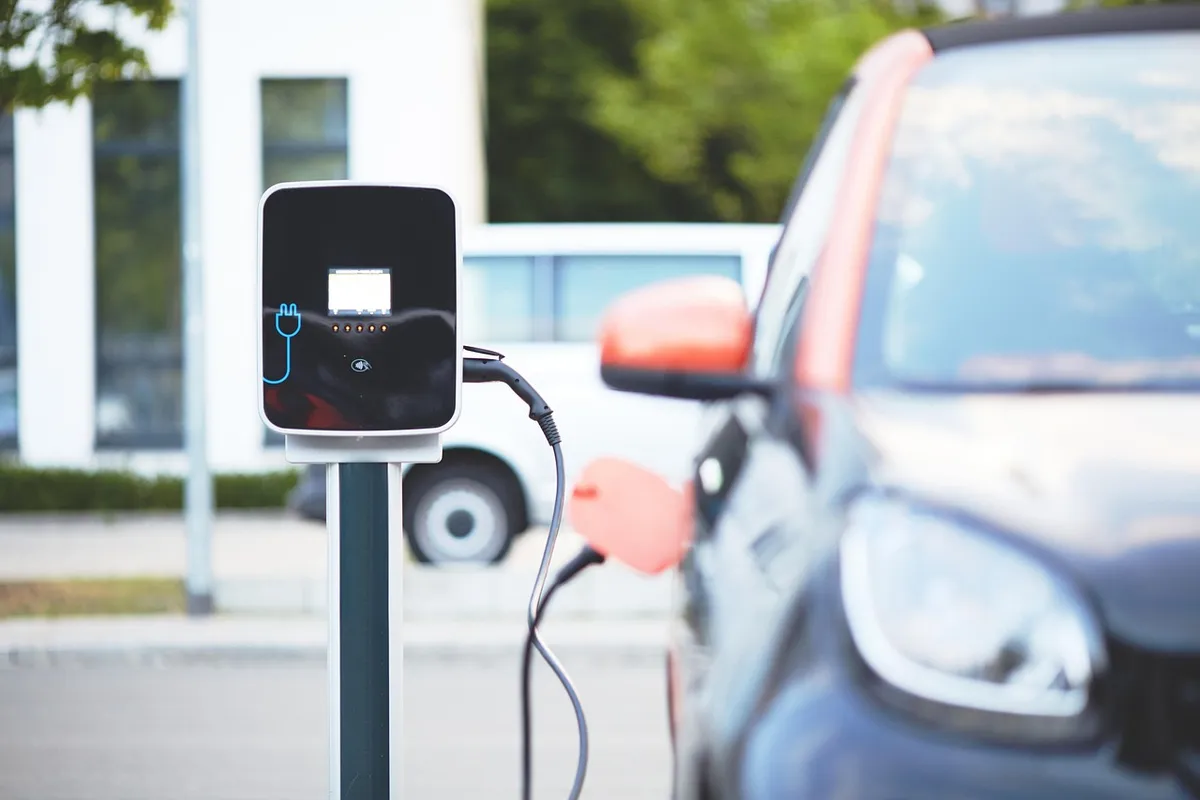
According to International Energy Agency, the 2024 record includes 1.3 million.
Where do people prefer to charge?
A driver pulls into a residential driveway to connect their car to a home unit. This routine interaction highlights the primary mode of energy replenishment for most owners.
The question of where people charge affects how manufacturers design their products. A consumer study indicated that 64 percent of consumers expect to charge in their own garage. This preference for home charging makes the ease of residential installation a vital factor in the purchasing process.
Publicly, the needs remain more specialized. While 21 percent of consumers want to frequent a central charging station, only 6 percent expect to use parking lots at shops and 4 percent at company grounds.
This distribution shows that while public networks are growing, the home remains the primary hub.
However, convenience in one location does not guarantee it will meet all daily energy requirements.
How does range anxiety impact buyer choice in EV charging?
A traveler looks at a dashboard display showing the remaining kilometers before the next stop. The balance between range and charging availability remains a central tension for long-distance drivers.
The relationship between battery range and charging frequency remains a major consideration. While 53 percent of consumers say that 300 km is enough, there are also 31 percent who like to travel 450 to 1000 km until required to recharge.
This range gap influences how people view the necessity of frequent, high-speed charging.
As the infrastructure evolves, the technical requirements of the vehicle must match the available plugs. For example, the European Commission proposed using the Type 2 connector as a single standard to end uncertainty.
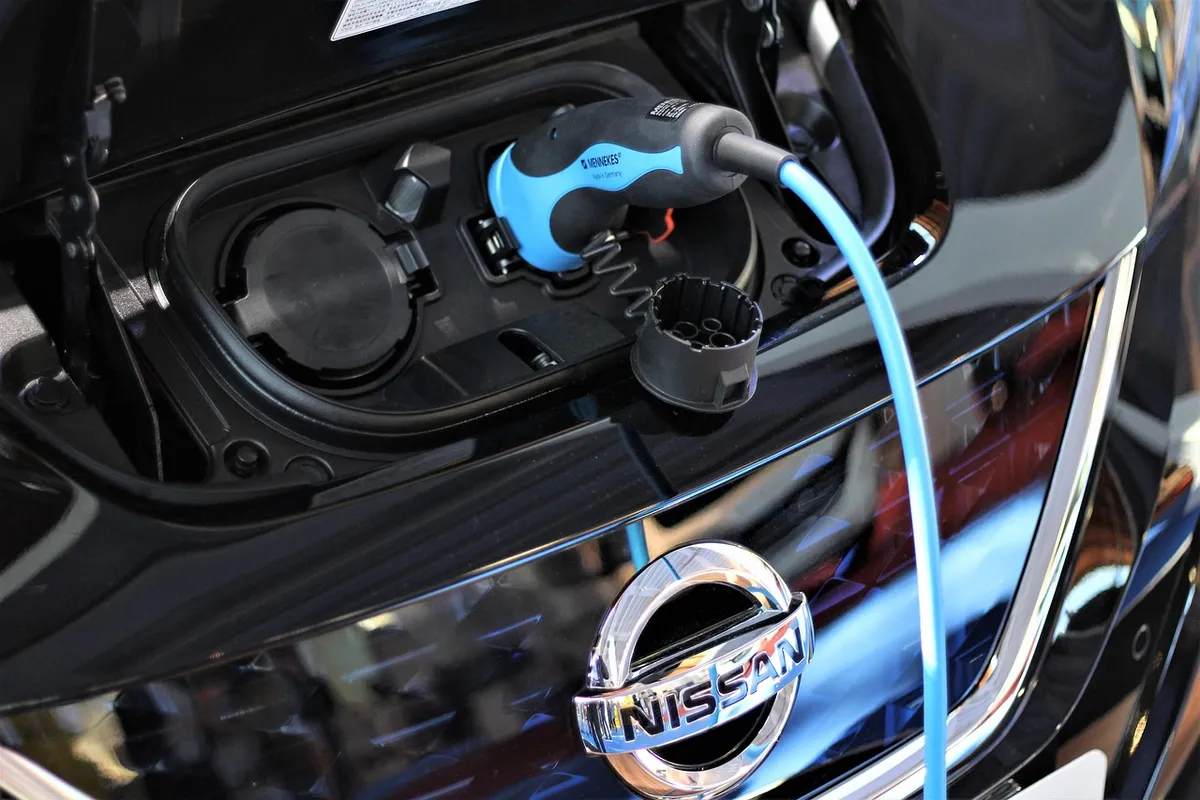
This standardization helps ensure that different vehicles can utilize the expanding network reliably.
The effectiveness of range-extending technology is limited when traveling through remote areas with minimal infrastructure.
What are the current global infrastructure figures?
A technician monitors a digital dashboard displaying real-time data from a massive network of charging units. The scale of the network in different regions shows varying levels of maturity.
The comparison of global charging density shows significant differences between regions.
As of October 2024, charging infrastructure in China had exceeded a total of 11.88 million units, including 3.39 million public chargers and 8.49 million private chargers, according to the China Electric Vehicle Charging Infrastructure Promotion Alliance.
| Region | Total Units/Status |
|---|---|
| China (Oct 2024) | 11.88 million units |
| Europe (2024) | Exceeded 1 million public stations |
This data highlights how much work has been done to support the transition to electric mobility. The massive scale in China provides a template for rapid deployment seen in other growing markets.
These figures represent a snapshot in time and do not account for future deployment rates.
How to navigate the transition to new charging tech?
A driver holds a smartphone app to initiate a charging session at a public station. Following a clear process ensures a seamless transition from traditional fuel to electric power.
To manage the shift, consumers should follow these steps:
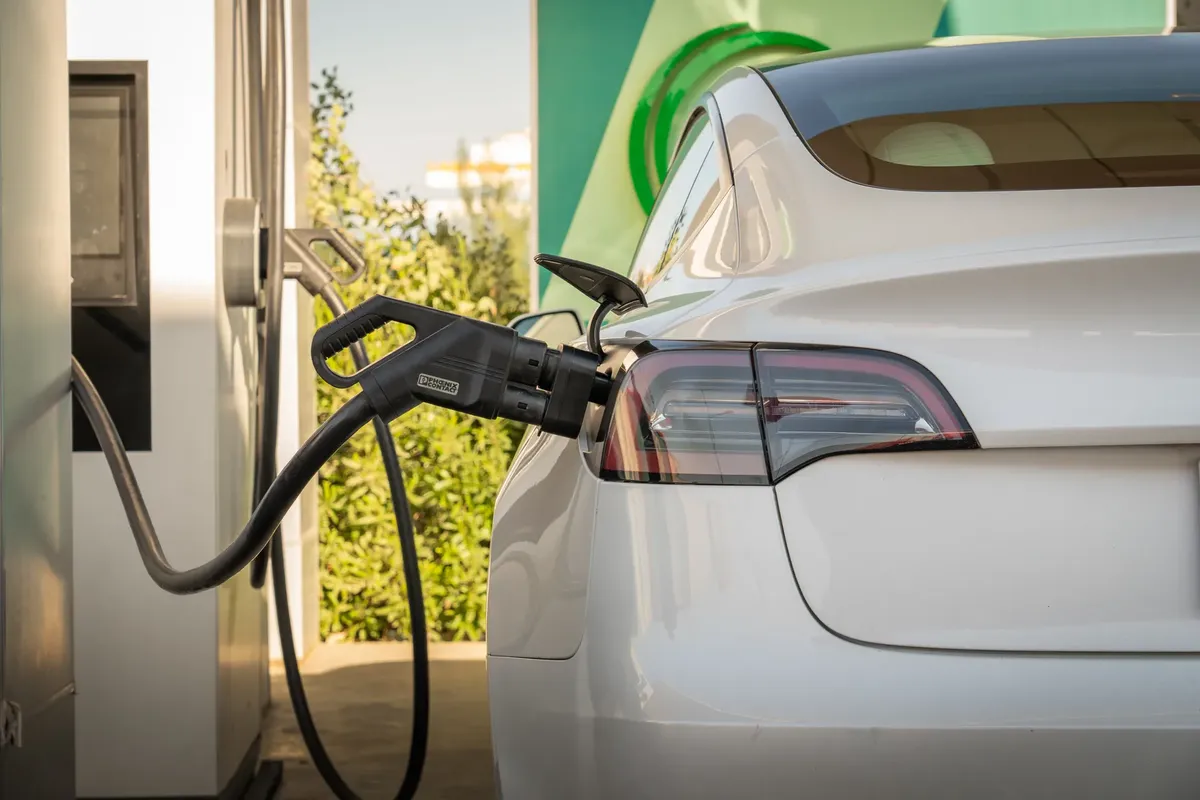
- Verify the connector type of the vehicle to ensure compatibility with local public standards. 2. Assess the home charging setup to accommodate the 64 percent preference for garage charging. 3. Plan long-distance routes based on the 31 percent of users who require ranges up to 1000 km.
A final check of the vehicle's maximum range against the distance to the nearest high-speed charger is essential. This ensures that the driver can meet the expectations of modern charging speeds.
- Assess current home power capacity.
- Evaluate compatible charging hardware.
- Plan for future infrastructure upgrades.
The same subject is also called Next gen charging 2026.
The same subject is also called EV charging advances 2026.
The same subject is also called Future car charging 2026.
The same subject is also called New charging modes 2026.
This part also covers Charging tech drives sales.
Related



Comments 0