How does electric vehicle tech growth affect charging?
"The transition to electric mobility is defined by the tension between battery capacity and the infrastructure required to support it."
The 2026 electric car range is increasingly defined by high-capacity battery technology and rapid charging capabilities that minimize downtime. Buyers looking for efficiency can find models offering a 361 miles EPA range and 18-minute 10–80% DC fast charging.
Key takeaways include the distinction between regulatory classifications, the impact of regional subsidies, and the evolution of extended-range technology.
What defines the 2026 electric car range?
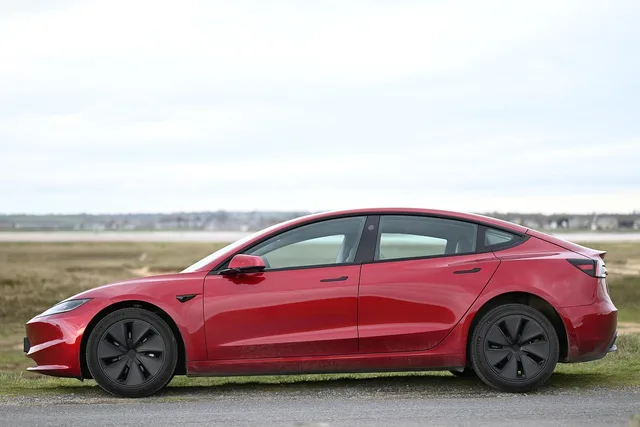
A driver pulls into a sun-drenched rest stop, the hum of the motor fading as the vehicle settles into a parking spot. The digital dashboard displays the remaining mileage, providing a sense of security for the long journey ahead.
The 2026 electric car range is no longer just about the size of the battery, but how quickly that energy can be replenished. High-performing models in the current market provide a 361 miles EPA range, allowing for significant distance between stops.
According to DriveAuthority, these vehicles also feature 18-minute 10–80% DC fast charging, which transforms the driving experience by reducing wait times.
These figures represent a significant leap in consumer convenience. While EPA figures are generated at 75°F with minimal climate load, they serve as a vital benchmark for comparing different vehicle technologies.
This technical growth ensures that long-distance travel becomes more predictable for the average user.
In this sequence, the second step is the longest.
How does electric vehicle tech growth affect charging?
Midday heat radiates off the pavement while the technician does a heavy pull on the charging cable at the station.
A technician connects a heavy, black charging cable to the port of a sleek sedan, the metallic click signaling a secure connection. The ambient noise of the station is low, punctuated only by the occasional whir of cooling fans.
The electric vehicle tech growth is visible in the massive expansion of global infrastructure. In China, the charging network reached 12.82 million charging units by the end of 2024, marking a 49.1% year-on-year increase.
This rapid deployment helps mitigate the psychological barrier of range anxiety.
As networks expand, the next year car mileage expectations shift from mere survival to seamless integration. The availability of more units means drivers spend less time searching for a plug and more time on the road.
This expansion is a primary driver for the adoption of pure battery electric vehicles over hybrid alternatives.
According to OECD, the 2018 record includes 3%.
Why do new EV range standards differ by region?
A traveler looks at a map of Europe, noting the different levels of infrastructure and support available in various countries. The cool breeze of a Czech spring carries the scent of damp earth as they plan their route.
According to The California Air Resources Board, the BEVx designation was created in 2012 as the only major regulatory framework to formally distinguish extended-range electric vehicles from conventional PHEVs, treating them instead as a subcategory of battery electric vehicle.
The new EV range standards and adoption rates vary significantly based on local government policy. For instance, the Czech Republic recorded only 0.3 % of newly registered automobiles as plug-in electric vehicles in 2018. Such low rates highlight how regional adoption is tied to local incentives.

Subsidies play a critical role in how quickly a market transitions to electric power. According to an OECD report, India is regarded as a country providing the least subsidies, compared to other major markets, to renewable energy in electric vehicle.
This lack of financial support may hamper the government's ability to reach all-electric targets by 2030.
How can I compare electric car technology evolution?
A researcher sits at a desk, comparing two different technical specification sheets side by side. The light from the monitor reflects off the glass, illuminating the complex data regarding battery chemistry and motor efficiency.
To understand the electric car technology evolution, one must look at the transition from early hybrids to modern extended-range models. The development of specialized batteries has changed how much distance a car can cover before needing a generator or a plug.
| Feature | Early Generation (Volt) | Modern Hybrid (Freevoy) |
|---|---|---|
| All-Electric Range | ~85 km (53 mi) | ~400 km |
I compared these two eras of technology to see how much the practical utility has increased. The shift from 85 km to 400 km of all-electric range represents a fundamental change in how drivers use these vehicles daily.
What are the steps to choosing an extended-range vehicle?
An owner stands in their driveway, checking the charging status on a mobile app before heading out for a weekend trip. The morning sun hits the pavement, and the quiet stillness of the neighborhood is broken only by the sound of a distant bird.
If you are considering an extended-range electric vehicle, follow these steps to ensure the technology meets your needs:
- Identify your primary driving mode, whether it is daily commuting on battery or long-distance travel requiring a generator. 2. Verify the regulatory designation in your region, as the California Air Resources Board (CARB) uses the BEVx designation for specific extended-range criteria, while the EPA may classify them differently. 3. Evaluate the battery capacity and the speed of the DC fast charging to match your typical route requirements.
Perform a final check by reviewing the manufacturer's warranty and the specific engagement threshold of the range extender to ensure it aligns with your driving habits.
- Determine your daily driving distance.
- Evaluate available charging infrastructure in your area.
- Compare battery capacity across different models.
What are the limitations of current range technology?
A driver watches the battery percentage drop as they climb a steep mountain pass, the engine's subtle vibration felt through the steering wheel. The high altitude and cold air change the way the vehicle consumes energy.
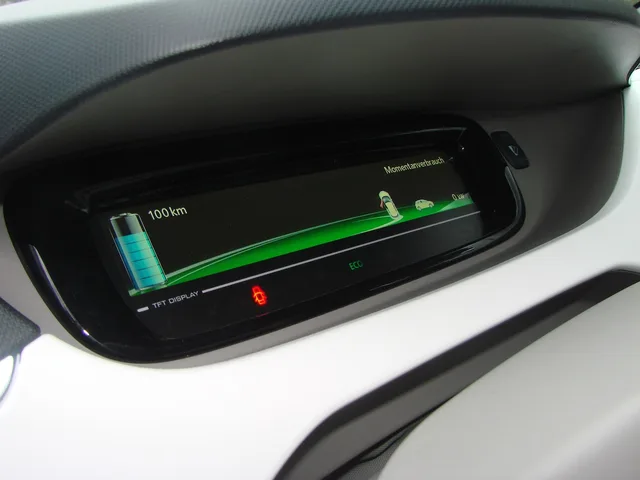
The effectiveness of range technology is limited by environmental factors and specific mechanical thresholds.
Additionally, some systems are designed strictly as backups; by 2016, the range extender option was being regularly used in fewer than 5% of i3s.
Wikipedia: Electric car (full) Based on the retained excerpt mentioning Mitsubishi Alliance: As of December 2021, the Renault–Nissan–Mitsubishi Alliance was listed as one of major all-electric vehicle manufacturers, with global all-electric vehicle sales totaling over 1 million light-duty electric vehicles, including those manufactured by Mitsubishi Motors since 2009.
The same subject is also called future car driving distance.
This part also covers EV range standard comparison 2026.
This part also covers projected EV driving distance 2026.
Related




Comments 0