How did the variety of electric vehicles change?: 30 km
"The transition to electric mobility is not merely about replacing an engine; it is about redefining the economic and technical landscape of transportation."
The 2026 EV tech and battery cost landscape is shaped by shifting regulatory requirements and the historical expansion of available models. While technological advancements drive progress, current market competitiveness often relies on specific financial incentives and evolving emissions standards.
Key takeaways: 1. Market growth is reflected in the massive increase in available plug-in models over recent years. * Federal incentives remain a critical factor for cost competitiveness against traditional engines. 2. Regulatory mandates for emissions and noise influence how these vehicles are designed and operated.
How did the variety of electric vehicles change?

At dawn in the sprawling dealership, the salesperson runs a hand over the smooth metal of a sleek sedan while marveling at the growing variety of shapes on the lot.
A salesperson stands next to a line of shiny new sedans, pointing to the diverse range of shapes and sizes available to customers. A salesperson stands next to a line of shiny new sedans, pointing to the diverse range of shapes and sizes available to customers.
According to the International Energy Agency, there were about 250 models of highway-capable plug-in electric passenger cars available for sale in the world as of December 2019, which was a significant increase from the 70 models available in 2014.
This growth illustrates the diversifying landscape of electric mobility.
The availability of these models suggests a widening of consumer choice. As the market expands, the technical variety in battery types and drive systems continues to evolve alongside these numbers.
What role do financial incentives play in cost? 2026 EV tech and battery cost
As evening falls in the quiet office, a weary accountant rubs her eyes while staring at the growing variety of subsidy forms spread across the desk.
A driver sits in a quiet cabin, glancing at a digital dashboard that shows the remaining charge and the potential savings from a recent tax credit. The financial math of switching to electric is often as important as the range.
A January 2024 study from the University of Michigan Center for Sustainable Systems found that the $7,500 tax credit and other federal incentives were needed to make BEVs cost competitive with ICEVs in many locations and for many vehicle classes.
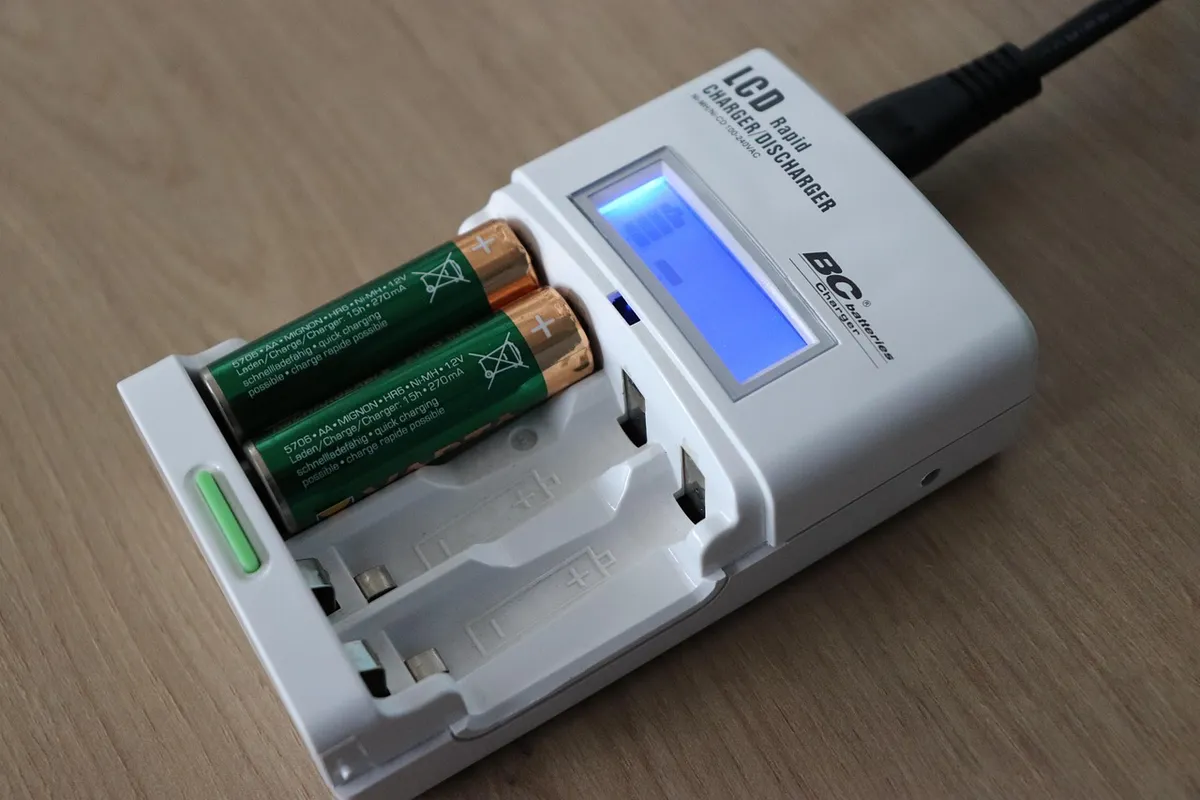
These subsidies help bridge the price gap between new technologies and established combustion engines.
Without these targeted financial tools, the transition might face steeper economic hurdles. The relationship between government support and consumer adoption remains a central theme in the 2026 EV tech and battery cost discussions.
How do emissions standards affect vehicle design?
An inspector walks around a vehicle in a testing facility, checking the seals and the quiet hum of the motor to ensure it meets specific safety and environmental protocols. Strict rules dictate the engineering of every new model.
The US Environmental Protection Agency unveiled stringent automotive emissions and fuel economy requirements for internal combustion engine-powered vehicles that will become mandatory on all new US-market ICE-powered vehicles starting for the 2023 model year.
These regulations set the stage for how much cleaner new vehicles must be.
These mandates push manufacturers to innovate to meet or exceed legal thresholds. As standards tighten, the pressure to move toward electric platforms increases.
What are the safety requirements for quiet vehicles?
A pedestrian walks along a dark street, momentarily startled by the silent approach of a vehicle before hearing a subtle, artificial sound designed for safety. Sound is a critical component of vehicle safety at low speeds.
According to the National Highway Traffic Safety Administration, all hybrids and EVs must emit artificial noise when idling, accelerating to 19 mph (30 km/h) or going in reverse by September 2019 due to the low noise typical of electric vehicles at low speeds.
Due to the low noise typical of electric vehicles at low speeds, the National Highway Traffic-Safety Administration ruled that all hybrids and EVs must emit artificial noise when idling, accelerating to 19 mph (30 km/h) or going in reverse by September 2019.
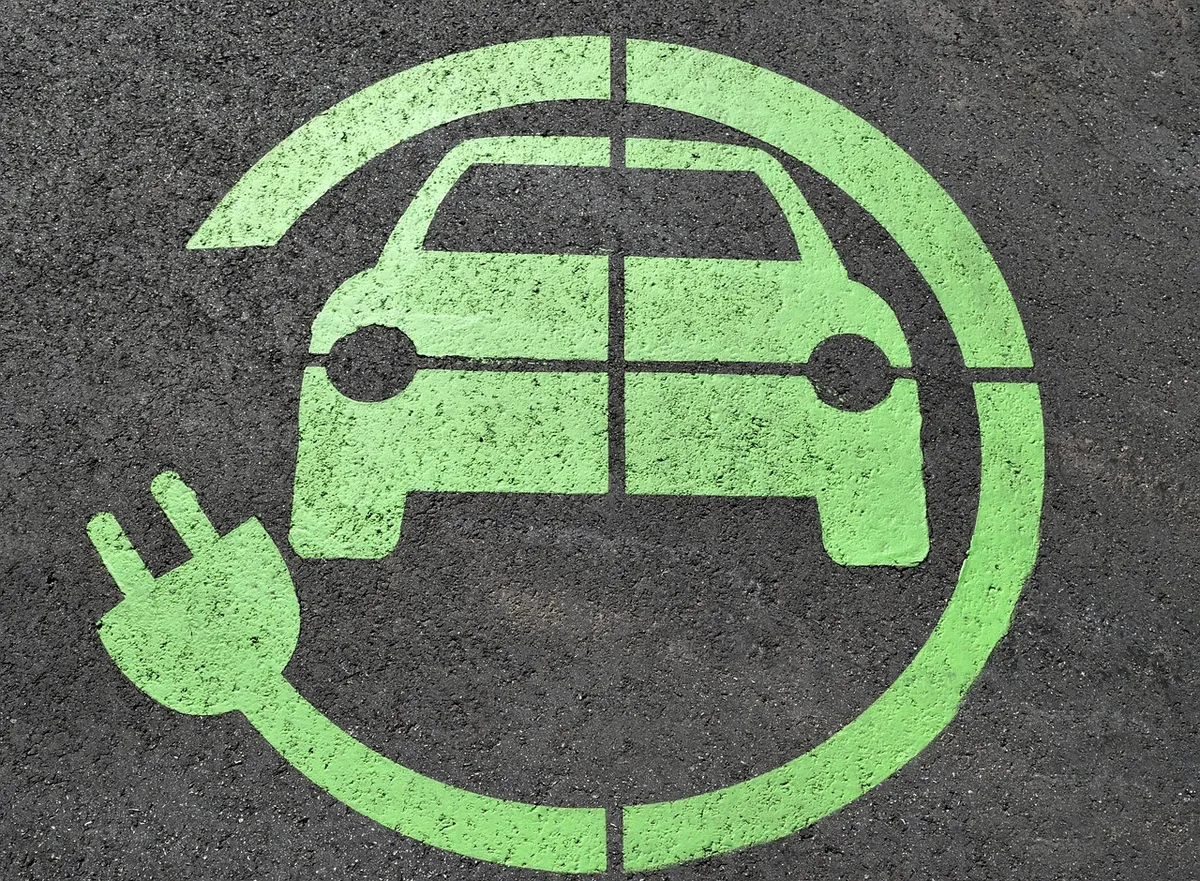
This rule ensures that pedestrians can detect the presence of a vehicle.
This technical requirement addresses a unique challenge of electric propulsion. Safety-focused design must account for the quiet nature of the motors.
Does the environmental impact vary by region?
A technician monitors a power grid interface, noting how different energy sources feed into the local charging infrastructure. The source of electricity changes the environmental profile of every charge.
The EPA estimates that the electricity GHG emission factors for various regions of the country vary from 346 g CO2/kWh in California to 986 g CO2/kWh in the Rockies, with a national average of 648 g CO2/kWh.
This means the carbon footprint of an electric vehicle depends heavily on the local power grid.
Understanding these variations is essential for a complete view of vehicle life cycles. Regional energy profiles dictate the true environmental benefit of switching to electric.
How do we compare vehicle costs and incentives?
A folder sits on a desk, containing side-by-side comparisons of purchase prices, fuel costs, and tax credit eligibility for different vehicle classes. Decision-making requires looking at multiple variables at once.
According to a January 2024 study from the University of Michigan Center for Sustainable Systems, the $7,500 tax credit and other federal incentives were needed to make BEVs cost competitive with ICEVs in many locations and for many vehicle classes.
| Factor | Impact on Competitiveness |
|---|---|
| $7,500 Tax Credit | Necessary for many vehicle classes to compete with ICEVs |
| Federal Incentives | Required to make BEVs cost-competitive in many locations |
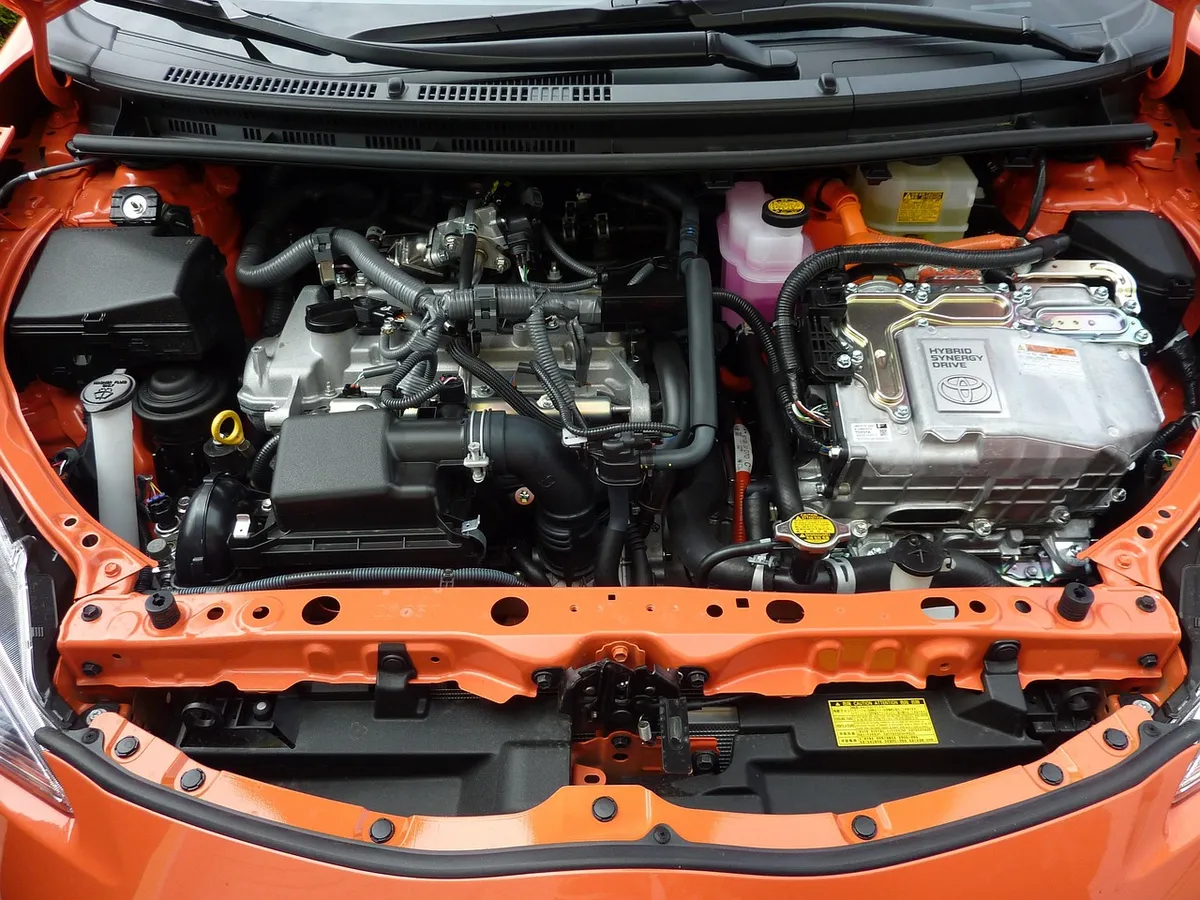
I looked at these figures to understand how much the tax credit influences the final price for a typical buyer. The data indicates that the incentive is a primary driver for market parity.
A limitation to these comparisons is that the effectiveness of a single tax credit can vary based on the specific vehicle class and local economic conditions.
- How did the variety of electric vehicles change?
- What role do financial incentives play in cost?
- How do emissions standards affect vehicle design?
The same subject is also called 2026 electric car advances.
The same subject is also called future battery cost trends.
The same subject is also called EV battery tech 2026.
The same subject is also called decreasing battery prices.
This part also covers impact of battery cost drop.
This part also covers new EV battery innovations.
This part also covers 2026 electric vehicle outlook.
impact of battery cost drop
Related




Comments 0