How has the variety of electric models evolved?
"The transition from internal combustion to electric power is not merely a change in fuel, but a fundamental shift in how we approach mobility and environmental stewardship."
Understanding the 2026 EV tech trends guide requires looking at the historical momentum of battery sales and regulatory shifts. This guide examines how market shares vary by region, how battery costs have plummeted, and how different vehicle classes are adopting new technology.
Key takeaways include the widening gap in regional adoption, the impact of declining battery prices, and the expansion of EVs into heavy-duty sectors.
How has the variety of electric models evolved?
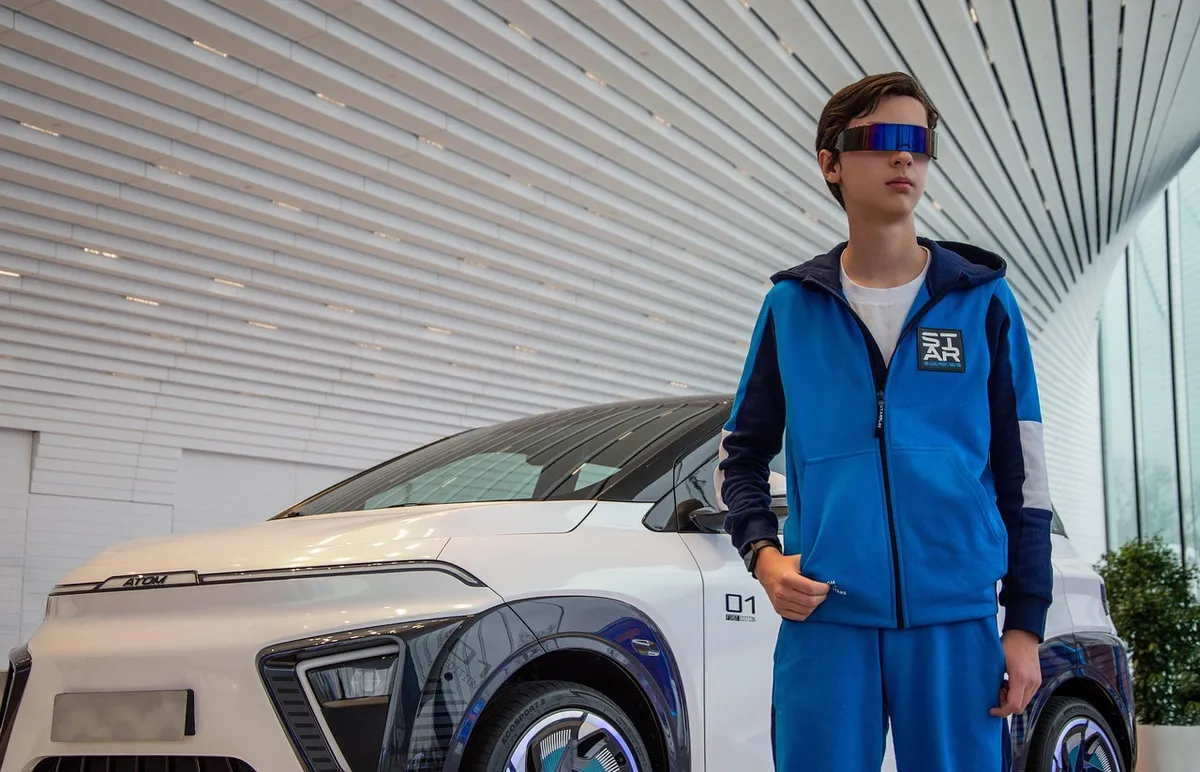
At dawn in the bright showroom, the salesperson runs a hand over the sleek metal, marveling at the growing variety of available models.
A salesperson stands in a showroom, pointing to a row of diverse vehicles ranging from compact hatchbacks to large SUVs. Since the early days of electrification, the selection of available models has expanded significantly to meet different consumer needs.
According to the International Energy Agency, there were about 250 models of highway-capable plug-in electric passenger cars available for sale in the world as of December 2019, which was a notable increase from the 70 models available in 2014.
This growth represents a diversifying market where 2026 electric car trends are shaped by a wide array of choices. As manufacturers expand their lineups, the 2026 electric car trends will likely involve even more specialized models for various driving environments.
What drives the shift toward zero-emissions vehicles? 2026 EV tech trends guide
Under the dim lights of the office at midnight, the policymaker sighs while looking at the paperwork, realizing the necessity of a variety of clean energy solutions.
A policymaker reviews environmental reports, noting the long-term goals of reducing urban air pollution. Historical regulatory efforts have laid the groundwork for the current transition toward electric mobility.
According to the California Air Resources Board, the agency began pushing for more fuel-efficient, lower-emissions vehicles in the early 1990s with the ultimate goal of moving toward zero-emissions vehicles such as electric vehicles.
In the early 1990s, the California Air Resources Board (CARB) began a push for more fuel-efficient, lower-emissions vehicles, aiming for a move to zero-emissions vehicles such as electric vehicles.
These early efforts established the regulatory framework that continues to influence the 2026 electric car trends. This historical push toward cleaner air remains a cornerstone of modern automotive development.
How do regional adoption rates compare?
A driver in a sunny California suburb pulls into a charging station, while a driver in a more rural area looks at a traditional gas pump. The availability and popularity of electric vehicles depend heavily on where a person lives.
According to the Nissan Alliance, the Renault–Nissan Alliance reached global sales of 100,000 all-electric vehicles in July 2013.
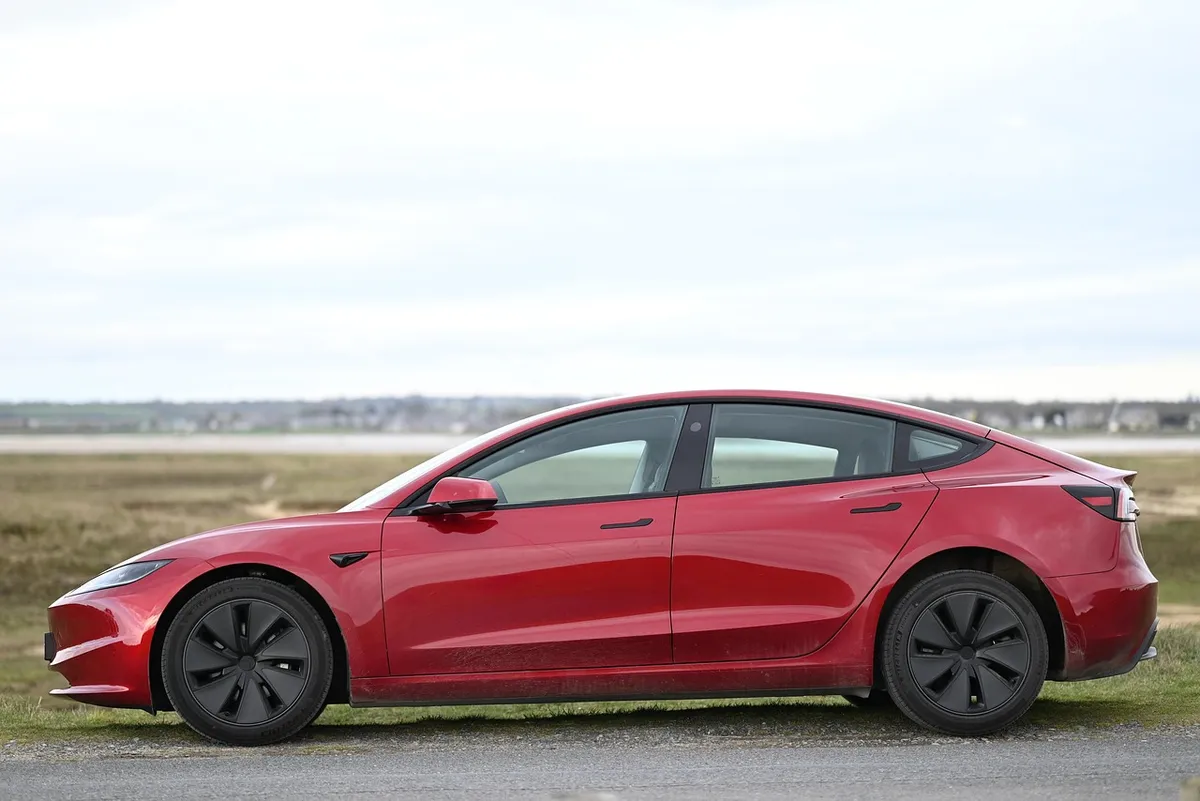
In the entire state of California, EV sales shares reached 26% during 2024, whereas EVs accounted for only 1.8% of sales across the state of North Dakota during the same year. This demonstrates how 2026 electric car trends are heavily influenced by regional infrastructure and consumer habits.
Understanding these disparities is vital for a new EV buying guide 2026.
How are battery costs impacting the market?
An engineer examines a battery pack, noting the significant reduction in cost compared to previous generations. The decreasing cost of lithium-ion technology is a primary driver of mass-market adoption.
The global average lithium-ion battery-pack prices reached US$115 kWh−1 during 2024, reflecting a sharp 30% decline since 2020.
This massive reduction in cost, which included a staggering cost reduction of more than 90% over the past 15 years, changes the landscape for future-proofing a vehicle purchase. This trend is a central part of any future EV tech comparison.
How are electric vehicles expanding beyond passenger cars?
A technician works on a large electric bus, while another prepares a heavy-duty electric truck for a delivery route. The technology is moving rapidly from small cars into larger, more complex vehicle categories.
While passenger cars remain a major segment, the technology is expanding into buses and trucks, with electric city bus sales in Europe reaching more than 40% of the market share during 2023.
This expansion suggests that 2026 electric car trends will increasingly involve specialized electric transport solutions. For those looking at a new EV buying guide 2026, it is important to recognize that the technology is no longer limited to personal commuting.
What are the primary considerations for buyers?
A buyer sits at a kitchen table, comparing different vehicle specifications and price points. Choosing the right vehicle requires balancing current availability with expected technological longevity.
| Category | 2024 Data Point | Context |
|---|---|---|
| US EV Sales | 1.6 million units | 10% of total US new LDV sales |
| CA Sales Share | 26% | State-wide percentage |
I compared these regional and volume figures to understand how quickly the market is moving. This comparison is essential for anyone considering the future value of their purchase. When looking at EV performance expectations, these numbers show a market that is growing but still highly variable.
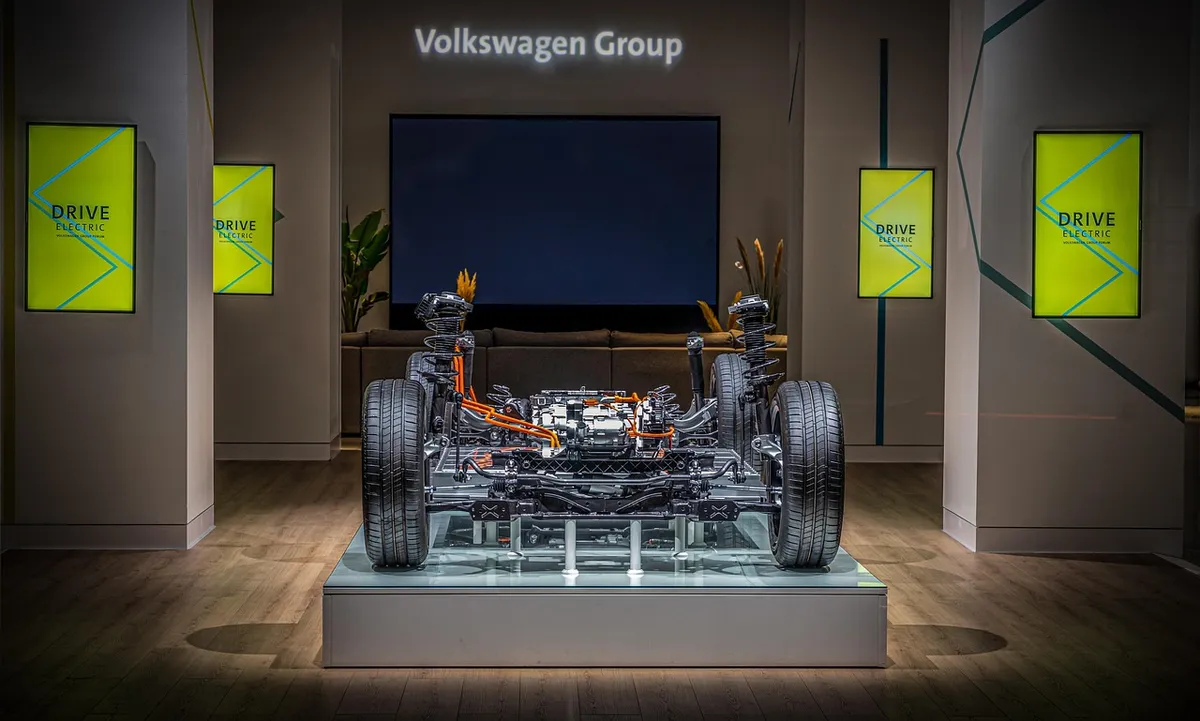
Wikipedia: Electric car (full) Based on the retained excerpt mentioning Mitsubishi Alliance: As of December 2021, the Renault–Nissan–Mitsubishi Alliance was listed as one of major all-electric vehicle manufacturers, with global all-electric vehicle sales totaling over 1 million light-duty electric vehicles, including those manufactured by Mitsubishi Motors since 2009.
- How has the variety of electric models evolved?
- What drives the shift toward zero-emissions vehicles?
- How do regional adoption rates compare?
The subject here is 2026 EV tech trends guide.
This part also covers 2026 EV buying checklist.
This part also covers EV tech vs future value.
This part also covers Choosing 2026 electric cars.
2026 EV buying checklist
Related
How does the shift affect the internal combustion engine market?
The comparison between the two eras highlights the scale of the change. The initial push for efficiency, driven by bodies like CARB, set the stage for the current market dynamics. This historical push toward cleaner air dictated the eventual decline in reliance on traditional power sources.
The fundamental shift in how we approach mobility is evident when comparing the early adoption rates to the current global availability of models. The internal combustion engine market faces direct competition from this rapidly diversifying electric segment.
This transition requires acknowledging that the success of electric vehicles is tied to both technological advancement and supportive policy frameworks. The early regulatory pushes established the conditions necessary for today's market maturity.




Comments 0