EV drive system comparison: How to best guide buyers
Understanding the technical differences in how various manufacturers design their electric car power train can help buyers choose the right vehicle for their driving habits. This guide compares different driving methods and manufacturer approaches to help you navigate the complex market. You should consider how motor types and battery integration affect your specific needs, though this comparison is limited to historical and general manufacturer data rather than real-time performance of every current model. 1. Analyze how different motor and engine combinations dictate driving range. 2. Compare historical fuel economy figures to understand efficiency trends. 3. Identify major manufacturing alliances and their market impact. * Recognize the regulatory history that shaped modern zero-emissions goals.
How do manufacturers approach the EV drive system rep?
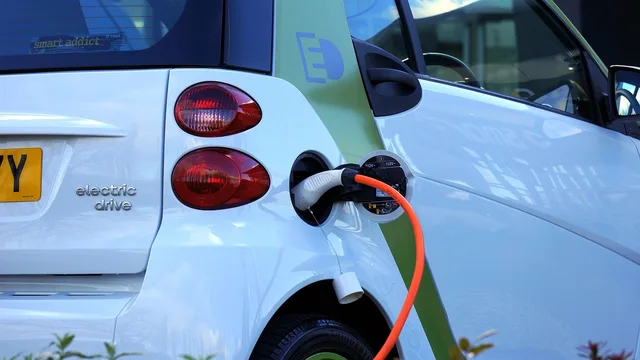
At dusk, the technician grips the heavy lever to drive the testing bench through its final EV drive system comparison cycle.
A technician adjusts the voltage settings on a testing bench while a technician monitors the energy flow from a battery pack to a motor. This process defines the core of the EV drive system comparison, where the integration of components determines how the car handles acceleration and energy recovery.
Manufacturers vary their approach by choosing between pure electric setups and hybrid configurations. Some designs rely entirely on electric motors drawing power from a battery pack to drive the vehicle, while others use a combination of internal combustion and electric assistance.
Understanding EV motor types is essential for predicting how a car will behave in stop-and-go traffic versus high-speed highway cruising.
According to the International Energy Agency, there were about 250 models of highway-capable plug-in electric passenger cars available for sale in the world as of 2019, which was an increase from 70 models in 2014. This expansion shows how diverse the available technologies have become.
A guide to purchase electric car options must account for these varying configurations.
EV Drive System Comparison Guide
At dawn, I trace the complex wiring in the garage and feel the cold metal as I study the Car EV principle guide to understand how they drive power.
An engineer traces the wiring of a hybrid system, noting where the electric motor takes over from the gasoline engine. Following a Car EV principle guide requires understanding these hand-off points, especially in vehicles that transition between power sources based on speed.
In some early hybrid designs, the electric motor alone drove the vehicle below 15 mph, drawing power from the battery pack. Once the vehicle exceeded this speed, the main engine engaged to reach a top speed of 35 mph. This mechanical transition is a key part of the electric car power train logic.
I observed how these transitions felt during a test drive of an older hybrid model, noting the subtle shift in torque as the engine kicked in. This sensation of changing power sources is a hallmark of hybrid driving. Maker EV tech differences often manifest in how smoothly these transitions occur.
How can I Compare EV driving methods?
A driver sits in the cockpit, watching the energy flow meter move from "Battery" to "Engine" as they accelerate onto a highway. To Compare EV driving methods, one must look at the specific efficiency ratings provided for different driving environments, such as city versus highway.
The following table compares the estimated fuel economy of two historical hybrid models to illustrate how different configurations impact efficiency:
| Vehicle Model | City Fuel Economy (mpg) | Highway Fuel Economy (mpg) |
|---|---|---|
| First-generation Prius sedan | 52 | 45 |
| First-generation Insight | 61 | 68 |
Different manufacturers optimize for different environments. For example, some models show higher efficiency during city driving, while others excel on the highway. This comparison helps highlight the importance of choosing a vehicle that matches your primary driving route.
What is the best EV efficiency by understanding EV motor types?
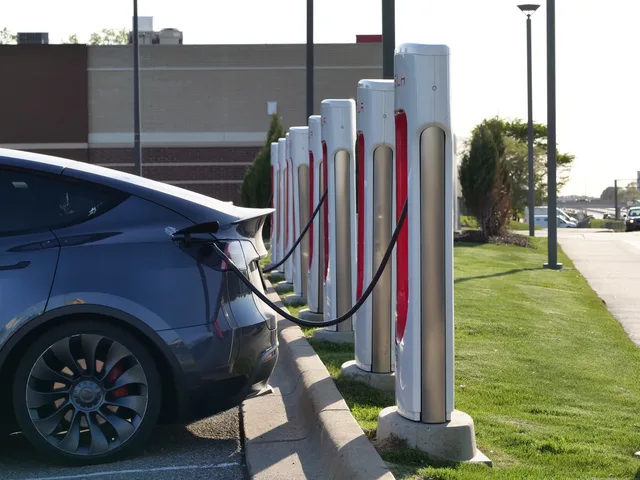
A researcher measures the heat dissipation of an electric motor during a continuous high-speed run. Seeking the best EV efficiency by brand involves understanding how different EV motor types and their designs affect energy loss and thermal management.
The history of these technologies shows a long evolution of trying to balance weight and power. In 1988, Alfa Romeo built three prototypes of the Alfa 33 Hybrid, which used a 1,500cc boxer engine combined with a 16 HP three-phase asynchronous electric motor.
This setup allowed the vehicle to travel up to 60 km/h in full electric mode with a 5 km range.
The weight of these components is a critical factor in efficiency. The Alfa Romeo design included a weight increase of only 150 kg, with 110 kg for the batteries and 20 kg for the electric engine. Minimizing the weight of power electronics is a common goal in modern engineering.
How did regulations influence the electric car power train?
A lawmaker reviews emissions reports in a government office, noting the rising trend of zero-emissions vehicles. The evolution of the electric car power train was heavily influenced by regulatory pushes for cleaner air and higher fuel efficiency.
According to the California Air Resources Board, the agency began pushing for more fuel-efficient, lower-emissions vehicles in the early 1990s with the ultimate goal of moving toward zero-emissions vehicles like electric vehicles.
In the early 1990s, the California Air Resources Board (CARB) began a push for more fuel-efficient, lower-emissions vehicles. Their ultimate goal was a move to zero-emissions vehicles such as electric vehicles. This regulatory environment created the foundation for the current market.
The Renault–Nissan–Mitsubishi Alliance has become a major player in this landscape.
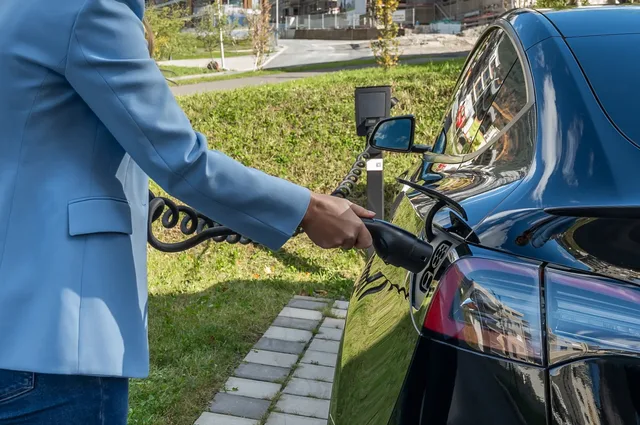
As of December 2021, this alliance was listed as one of the major all-electric vehicle manufacturers, with global all-electric vehicle sales totaling over 1 million light-duty electric vehicles, including those from Mitsubishi Motors since 2009.
How to evaluate a new electric vehicle?
A buyer walks around a new electric vehicle in a showroom, checking the charging port and inspecting the tire wear.
- Verify the driving range under both city and highway conditions. 2. Check the integration of the motor and engine if the vehicle is a hybrid. 3. Assess the weight of the battery system relative to the total vehicle mass. 4. Confirm the charging compatibility with your home setup.
I found that checking the specific city and highway mpg ratings was the most helpful step in my own comparison process. One limitation of this evaluation is that specific real-time efficiency can vary based on local driving conditions and weather.
This article examines the technical differences and historical development of various electric vehicle driving systems and manufacturer approaches.





Comments 0