Electric drive best guide 85 km small car tips
"The transition toward zero-emissions vehicles has been a long-term goal for regulators since the early 1990s."
This guide explores how small car electric drive systems operate by converting stored energy into motion.
Readers will learn the distinction between pure battery models and those utilizing range extenders, the historical regulatory context, and how modern battery advancements influence these driving methods.
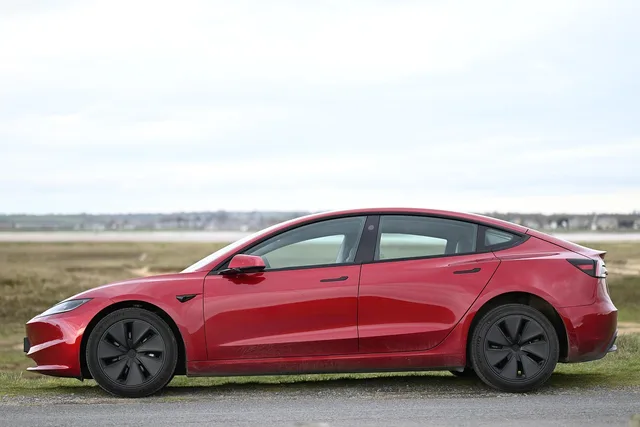
* Differences between BEVx and standard PHEVs * The role of an internal combustion engine as a generator * Impact of battery capacity on generator engagement * Global market trends for plug-in electric vehicles
How does a small car electric drive system function?
A driver presses the accelerator, and the quiet hum of an electric motor replaces the vibration of a traditional engine. This electric car power system relies on a battery pack to provide immediate torque to the motor, which turns the wheels directly.
The EV motion principle is fundamentally different from internal combustion engines because it avoids complex transmissions. In a standard setup, the battery feeds electricity to the motor, which drives the vehicle through a single-speed reduction gear.
This light vehicle drive method is efficient because it recovers energy through regenerative braking, slowing the vehicle while recharging the battery.
Why do some models include an engine?
A technician inspects the engine bay, noting that a small petrol unit is present not to drive the wheels, but to act as a backup. This setup is common in extended-range electric vehicles, where the motor handles the primary movement.
The California Air Resources Board (CARB) created the BEVx designation in 2012 as the only major regulatory framework to formally distinguish extended-range electric vehicles from conventional PHEVs, treating them instead as a subcategory of battery electric vehicle.
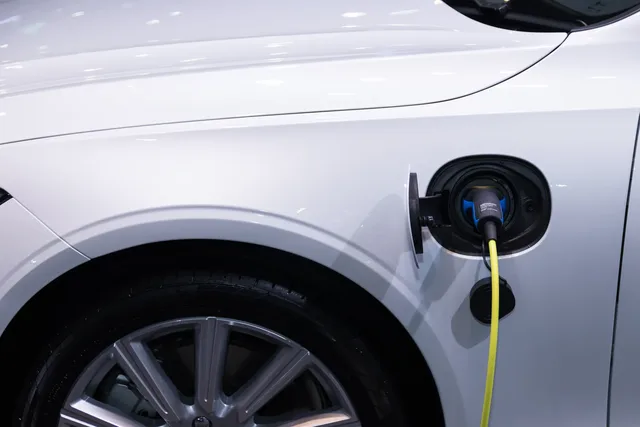
This distinction is vital because, while a standard hybrid uses an engine for propulsion, these vehicles use the engine primarily as a generator to maintain battery charge.
For example, a vehicle might operate in charge-depleting mode for a specific distance before an engine engages to sustain the battery at a minimum threshold.
How do the different drive methods compare?
A consumer compares two different vehicle types, looking at how they handle long journeys versus daily commutes. One vehicle relies entirely on the plug, while the other uses a fuel tank to extend the trip.
According to The California Air Resources Board, the BEVx designation was created in 2012 to formally distinguish extended-range electric vehicles from conventional PHEVs by treating them as a subcategory of battery electric vehicle.
| Feature | Battery Electric Vehicle (BEV) | Extended-Range Electric Vehicle (EREV) |
|---|---|---|
| Primary Energy Source | Electricity (Plug-in) | Electricity (Plug-in) |
| Backup Energy Source | None | Internal Combustion Engine |
The choice between these systems depends on the driver's access to charging. While pure electric vehicles provide zero-emissions driving, EREVs provide an extra layer of flexibility for long distances.
How does battery capacity affect the engine?
A driver watches the dashboard display as the battery percentage drops toward a critical level. As the energy depletes, the system automatically engages the range extender to prevent a complete loss of power.
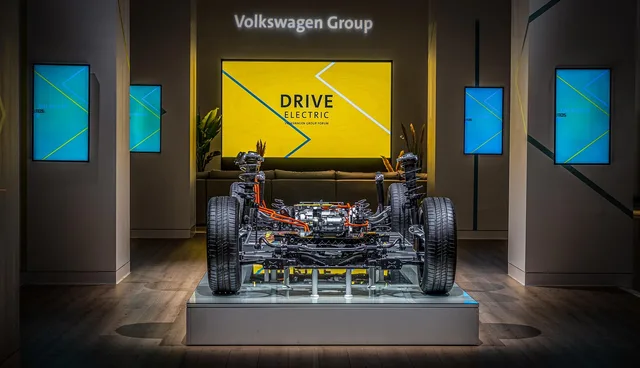
The timing of when the engine starts depends heavily on the battery's capacity and the manufacturer's settings. For instance, some systems engage the range extender when the battery falls to 6%, extending the total range significantly.
In other specific models, a second-generation setup might offer an all-electric range of approximately 85 km (53 mi) before the 1.5-litre engine engages as a generator. I observed that when the battery is managed correctly, the driver rarely feels the transition between electric and generator modes.
What are the steps to manage an EREV?
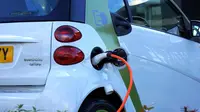
A driver follows a specific routine to ensure the vehicle operates efficiently during a long trip. This involves managing both the plug-in charging and the fuel levels.
- Plug the vehicle into a charging station to maximize the initial all-electric range. 2. Monitor the battery percentage to understand when the generator might engage. 3. Maintain the fuel tank to ensure the engine can act as a generator when needed.
A final check of the charging status ensures the vehicle is ready for the next trip.
- Monitor the battery state of charge.
- Engage the internal combustion engine when levels drop.
- Use the engine to generate electricity for the motor.
In this sequence, the second step is the longest.
Is this technology limited?
A driver reaches a remote destination, realizing the limitations of the current infrastructure. While technology is advancing, the effectiveness of these systems depends on specific conditions.
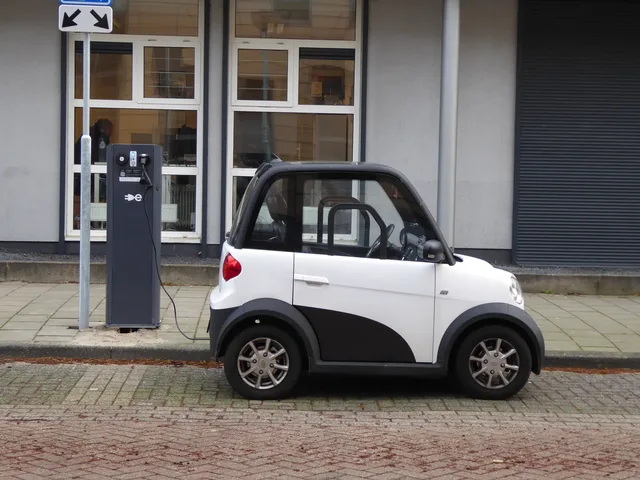
The utility of an EREV is limited by the specific configuration of its battery and engine.
For example, BMW designed its range extender system strictly as a backup for reaching a charging location, not for regular use; by 2016, the range extender option was being regularly used in fewer than 5% of i3s.
The subject here is Small car electric drive.
The same subject is also called Compact electric motor.
This part also covers How small EV works.
This part also covers Electric vehicle drive analysis.
This part also covers Understanding EV technology.
How small EV works
Related
- How does electric vehicle tech growth affect charging?
- Fast charging range impact: Guide to electric vehicle tips
How does the transition toward zero-emissions impact the driver?
The driver experiences a shift in how energy is managed during a trip. This transition toward zero-emissions requires careful attention to battery levels to avoid sudden reliance on the internal combustion engine.
Comparing the two systems reveals that the BEV offers a simpler driving experience without the need for fuel. In contrast, the EREV provides a backup through the engine, which acts as a generator to maintain charge.
What precautions should a driver take?
A driver must monitor the battery level to anticipate when the engine will start. If the battery reaches a low threshold, the system will engage the generator to prevent power loss.
- Check the battery level frequently to know when the engine might start. 2. Ensure the fuel tank is full to allow the engine to function as a generator. 3. Use a charging station to maximize the initial electric range.



Comments 0